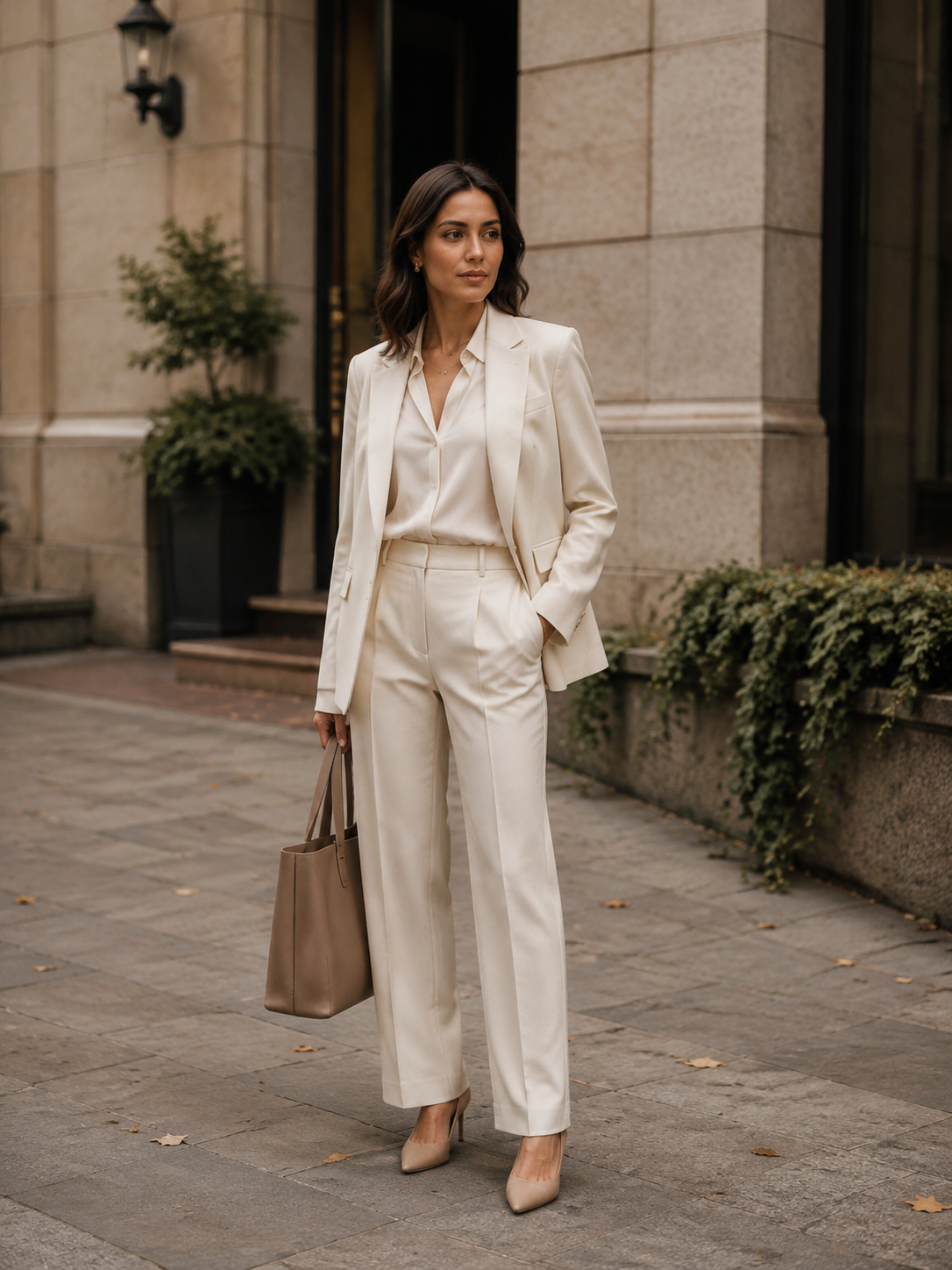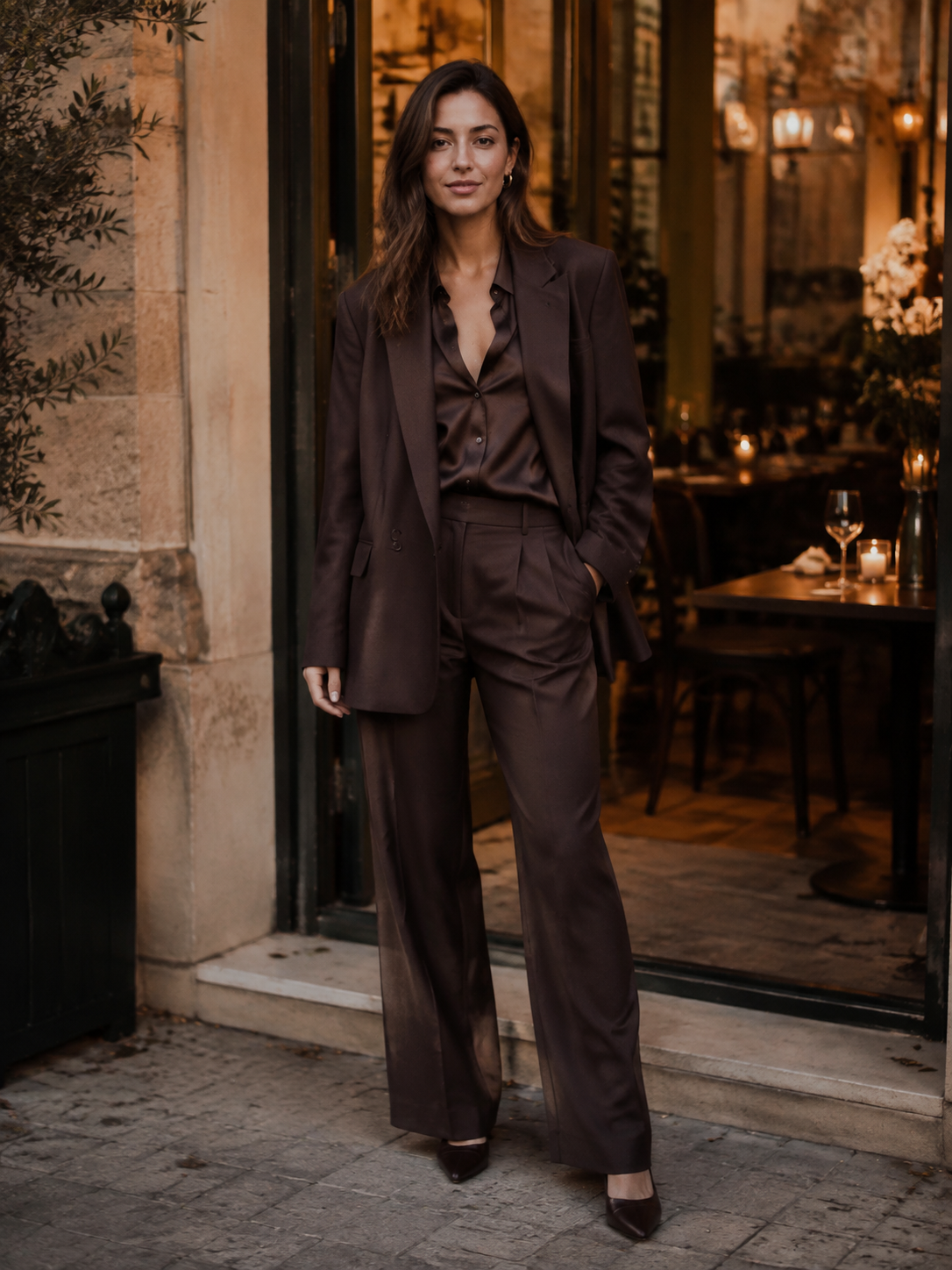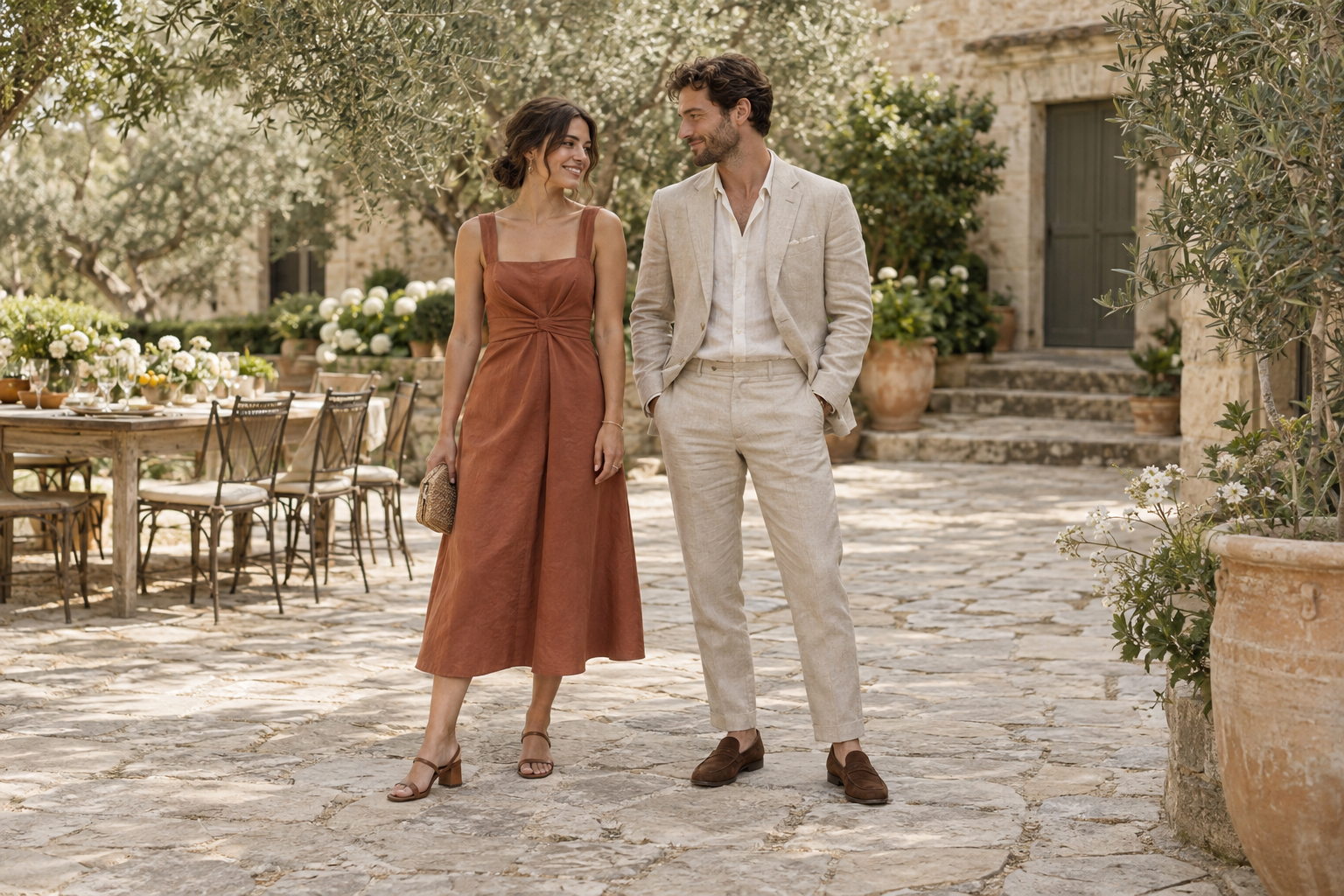
The Actor Awards dress-code story is useful because it raises a practical question: which parts of an event brief are requirements, and which are suggestions? In 2026 the ceremony, formerly the SAG Awards, published themed attire guidance for the first time in its three-decade history, and read the exact wording before copying a red-carpet look. For an ordinary invitation, confirm the dress level and any specific restrictions, then choose clothes that meet those instructions comfortably.
01 / THE DEVELOPMENT
The idea in focus.
02 / OUR INTERPRETATION
What it means in practice.
A published brief changes the question from what do people wear to what was actually asked — and the asking matters here. On the reported wording, the guidance was directional rather than prohibitive: People's account named a garment category and a length, with the pastel palette framed as a preference ("preferably"), and the organisers, per The Hollywood Reporter, stopped short of calling it a dress code at all. That is the pattern worth copying: specific enough to act on, loose enough that interpretation stays open. Attendees could plan a concrete outfit instead of triangulating from last year's photographs — which is why, per E!'s roundup, so many visibly worked within the brief even while commentators, including Vogue's columnists, questioned the idea.
The useful detail in any published dress code is never the theme. It is the sentence that names a garment, a length or a colour, because that is the sentence you can actually dress against.
Specific guidance beats vague elegance
Compare two kinds of instruction. Dress to celebrate might produce a hundred interpretations and a room of anxious attendees. A request for floor-length gowns in soft shades produces dresses chosen with confidence that look coherent in photographs and on camera.
Requirements or suggestions? Sort the sentences
The lesson of this brief is grammatical before it is fashionable. A code's force lives in its wording: imperatives bind, qualifiers suggest, theme words merely inspire. Sort any brief's sentences into three piles before you plan an outfit.
| Sentence type | Example from this brief | How to treat it |
|---|---|---|
| Named anchor | Formal evening gowns, maxi or floor length (per People's report) | Plan around it — this is the sentence you dress against |
| Qualified preference | "Preferably in pastel shades" | Honour it if easy, ignore it if not; nobody is graded on a preference |
| Theme wording | "Reimagining Hollywood Glamour From the '20s and '30s" | Inspiration, not instruction — one era's detail (beads, a bias cut, a dropped waist) is enough |
A published theme means the organisers will police compliance with it.
The Hollywood Reporter noted that the Actor Awards organisers viewed the theme "not as a dress code", and E!'s post-event roundup documented a spread of interpretations — some attendees working strictly to the era, others taking one detail from it. A published brief sets a centre of gravity, not a uniform.
How attendees actually responded
Post-event coverage is the closest thing to a test of any published brief. E! Online's roundup, published the day after the ceremony, catalogued the range without grading anyone.
Host Kristen Bell wore a sheer Georges Hobeika gown with fireworks-style embellishments; Kate Hudson chose a draped 1930s-style Valentino gown; Rose Byrne took a white dropped-waist Chanel dress. Each answered the theme differently — embellishment, drape, silhouette.
The documented split is the instructive part. Some attendees worked closely to the era, others took a single cue, and the roundup treated both as within the brief. For anyone attending an event with new written guidance, the practical read is that meeting one or two named expectations is enough to look considered.
Reading an ordinary invitation the same way
Very few readers will walk a red carpet, but the structure travels. When your conference, awards night or wedding publishes attire notes, sort the sentences exactly as above — anchors, preferences, theme words — and build only on the anchors.
Find the dress level
Look for the formality word first — smart casual, cocktail, black tie optional. Everything else is detail hung on that hook.
List the named anchors
Note any concrete garment, length or colour the brief names, and any explicit restriction ("no jeans", "outdoor footwear"). Anchors and restrictions are the only binding sentences.
File the rest as inspiration
Theme words and palette preferences shape your choices but do not bind them. Pick one cue that suits clothes you already own and stop there.
Ask only what the brief leaves genuinely open
If shoes or a specific item are unclear and the stakes are high, one polite question to the host resolves more than a week of guessing.
Go deeper on reading event dress codes
- Smart Casual vs Cocktail Attire: What to Change ↗
The most common dress-level step-up, decoded.
- Smart Casual vs Semi-Formal: Reading the Invitation ↗
How invitation wording signals the formality level.
- How to Clarify an Unclear Dress Code ↗
Asking the host without feeling awkward.
FROM THE STORY TO YOUR WARDROBE
Take the useful part.
Sources & further context.
- People — The Actor Awards 2026 announce their first-ever dress code
Source of the reported gown guidance (formal evening gowns, maxi or floor length, preferably pastel), attributed as People's report.
- The Hollywood Reporter — Elle partners with the Actor Awards on its red carpet dress code
Confirms the 1 March 2026 ceremony, the Elle partnership, the theme wording, and organisers' framing of the theme as "not a dress code".
- Vogue — Is there merit to an awards-season red carpet dress code?
Opinion perspective questioning the code; cited for the debate, not for facts about the brief.
- E! Online — The celebrities who followed the Actor Awards 2026 dress code
Post-ceremony roundup (2 March 2026) documenting attendee looks, including Kristen Bell, Kate Hudson and Rose Byrne.