Skip to content

Find your next good read.

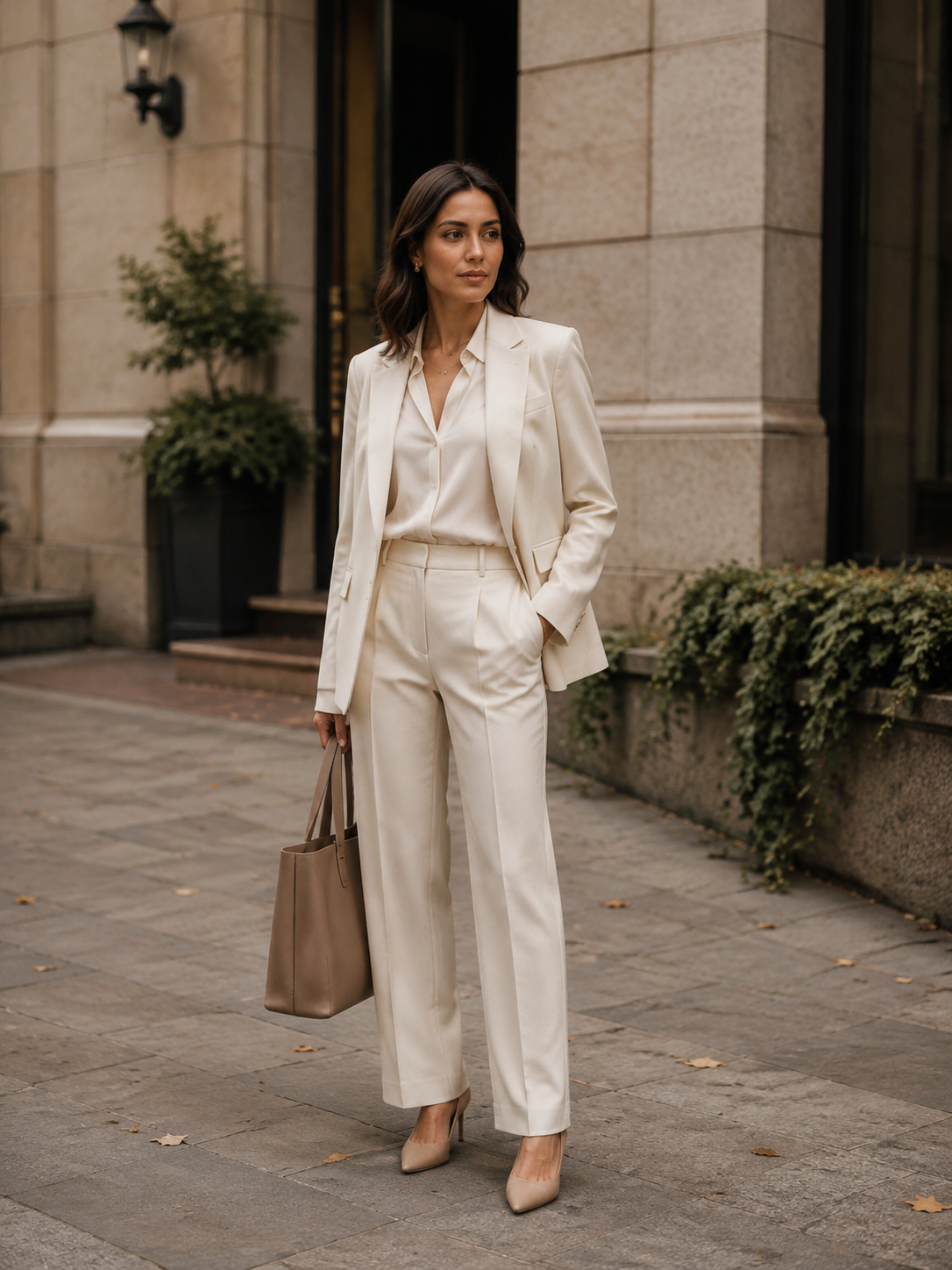
Two adults in a terracotta midi dress and pale linen suit stand in a leafy stone courtyard.

Dress code comparison

Smart Casual vs Cocktail Attire

The two codes share individual pieces but ask for different complete outfits. Read the invitation first, then judge your clothing as a whole — swapping only the shoes may not meet a stated cocktail code.

Begin here

Comparison

Smart casual or cocktail: reading the invitation first

Smart casual and cocktail attire can share individual pieces, but they do not make the same request. Cocktail usually calls for a more dressed-up complete outfit. Read the invitation first, then assess your clothing together; changing only the shoes may not be enough to meet a stated cocktail code.

Myth

Cocktail attire is defined by shiny fabric, high heels and a dramatic silhouette — meet those and you have met the code.

Fact

Cocktail describes how dressed-up the complete outfit should be, not a fabric finish or a shoe height. Polished flats with a cocktail-length dress, or a dark suit with loafers, are routes hosts accept; what matters is that the whole outfit reads as occasion dressing.

  1. Converting a suit-based outfit

    A dark suit that works for smart casual is most of a cocktail outfit already. Change the shirt to a pressed dress shirt or a finer knit, add a tie or pocket square if the event reads traditional, and move from casual shoes to polished leather. The suit itself usually stays.

  2. Converting a dress or separates outfit

    Start from the most structured dress you own, or dressy trousers with a top chosen as a set. Add finer jewellery and a small bag, and wear polished flats or heels you can actually last the evening in. The knee-to-midi length is the common cocktail reading, but the host's guidance wins.

  3. Assessing the result as a whole

    Stand back and judge the complete outfit against the invitation, not piece by piece. One dressy item surrounded by casual ones still reads smart casual. If the honest answer is that the outfit reads as daywear, move to the borrow-or-different-outfit decision early.

  4. Deciding between accessories and a real change

    Accessories adjust an outfit that is already close. A borrowed jacket, a rented suit or another outfit is the realistic route when the base clothes sit below the stated code — planning this days ahead beats discovering it the afternoon of the event.

Existing clothes are enough when

  • The invitation uses softer wording — festive, smart, or no code at all — so smart casual is a fair reading.
  • Your base outfit is a dark suit or a structured dress and only shoes or accessories need lifting.
  • The event is unstated after-work drinks or a flexible-room occasion where both codes appear.

Plan a borrow or different outfit when

  • The invitation states cocktail attire and nothing you own reads as a dressed-up complete outfit.
  • The only route to the code runs through shoes you cannot wear for hours — a trouser-based or flat-based outfit is the fix, not tolerance.
  • The host's own guidance or examples name a standard your current wardrobe does not reach.

THE SHORT ANSWER

Choose for the day ahead.

Read the invitation before the wardrobe. Smart casual asks for a polished outfit with interpretation built in; cocktail asks for a more dressed-up complete outfit, usually a dark suit or a defined knee-to-midi dress. The codes share pieces, so your decision is less about buying new categories and more about whether the outfit you own meets the stated request as a whole. If it does not, changing clothes — yours or borrowed — closes the gap more reliably than changing accessories.

Side by side.

The differences that matter
AspectSmart casualCocktail
What the invitation asks forA put-together outfit with personal range: the host names a register, not specific garments.A more dressed-up complete outfit: the host names a code and usually expects it taken close to literally.
Complete outfitOdd jackets with chinos or dark jeans, knitwear, shirt dresses and relaxed separates all qualify.A matched dark suit or a structured cocktail-length dress is the common reading; separates work when they read as deliberate.
Trouser-based routesChinos, dark denim in the right room and matelike twills are home territory.Tailored trousers with a matching or clearly deliberate jacket, or a dressy top-and-trousers combination chosen as a set.
FootwearClean and neat: loafers, derbies, dressy flats, block heels, minimal white sneakers in relaxed rooms.Polished leather shoes, or polished flats or heels — the shoe line should look chosen for the occasion, not borrowed from the day.
AccessoriesPersonal and functional: a casual watch, a scarf, a smart bag.Fewer but more deliberate: finer jewellery, a small bag, a tie or pocket square where worn.
Casual piecesThe defining feature: denim, knit polos and open collars are legitimate inside the code.Denim, visible sportswear and heavy casual knits read as underdressed, even when the rest of the outfit is right.
Relation to black tieClearly below it; no invitation writer treats the two as close.Below black tie but adjacent: a tuxedo is not required, and guests in dark suits or cocktail dresses are the norm.

What should guide your choice?

  • Invitation wording first — 'cocktail attire' is a stated request; 'festive', 'relaxed' or no code leaves smart casual open.
  • Any extra guidance the host provides — a wedding website, an events page or a direct reply — beats general etiquette definitions.
  • Time and setting as context, not rules — an evening start and a booked events space often accompany cocktail, but only the host's words confirm it.
  • Your outfit as a whole — ask whether the complete combination reads as occasion dressing, not just whether one piece looks dressy.
  • The realistic gap — if closing it means reinventing the outfit, plan a borrow or a different outfit early instead of counting on accessories.

The right choice depends on the setting.

A wedding invitation that says cocktail attire

Take the stated code as the target and build a complete outfit toward it: a dark suit with a tie or open-collar shirt and polished shoes, or a knee-to-midi dress with polished flats or heels. Photographed occasions reward guests who met the stated request, and this is not the room to test a smart casual reading.

An explicitly cocktail reception after work

Your office suit or structured dress may already qualify, so assess the whole outfit rather than assuming a purchase is needed. Most colleagues arrive in daytime clothes; the visible gap at a stated cocktail event is usually denim and sneakers, not the absence of a new outfit.

Unstated after-work drinks

With no code named, smart casual is the correct default and no upgrade is owed. Lift what you already have — swap day shoes for polished ones, add a jacket — and stop there. Inventing a cocktail requirement the host never stated is how people arrive overdressed and uncomfortable.

When your wardrobe sits below the code

If the honest gap is a whole outfit — no suit, no dressy dress — a borrow or a rental beats buying accessories around clothes that do not fit the request. This is also where flats-and-trousers or suit-and-loafers routes matter: they let you meet the code without wearing shoes you cannot stand in.

Keep exploring.

Work & Dress Codes

Smart Casual vs Business Casual: What Changes?

Smart casual vs business casual: the two codes overlap, and context decides which one applies. Compare jackets, shirts, shoes, denim and knitwear, and learn what actually settles the choice.

Work & Dress Codes

What Is Smart Casual? A Practical Guide

A plain definition of smart casual: tidy, considered clothing a step below business dress, with complete example outfits, non-examples, and how the setting shifts the balance.