- Rank the evidence
- The host's current written instruction outranks everything, including this page. The venue's own stated requirement is next — it is a rule even when the host is silent. Event context (occasion, time, setting) shapes the reading but settles nothing by itself, and photographs are the weakest source of all.
- Ask one specific question
- Name an outfit and let the host confirm or correct it: “Would trousers with a shirt and loafers fit what you have in mind?” A question with options takes the host ten seconds to answer. Ask early enough that the answer can still change what you wear.
- Work one worked case
- Say the invitation says “dressy casual” for a mid-afternoon lunch. The venue page states nothing. You ask the host whether a midi dress with flats, or chinos with a blazer, fits; they reply “either — no jeans though.” Uncertainty narrowed to one usable exclusion, and you already own both outfits.
- Plan the reversible fallback
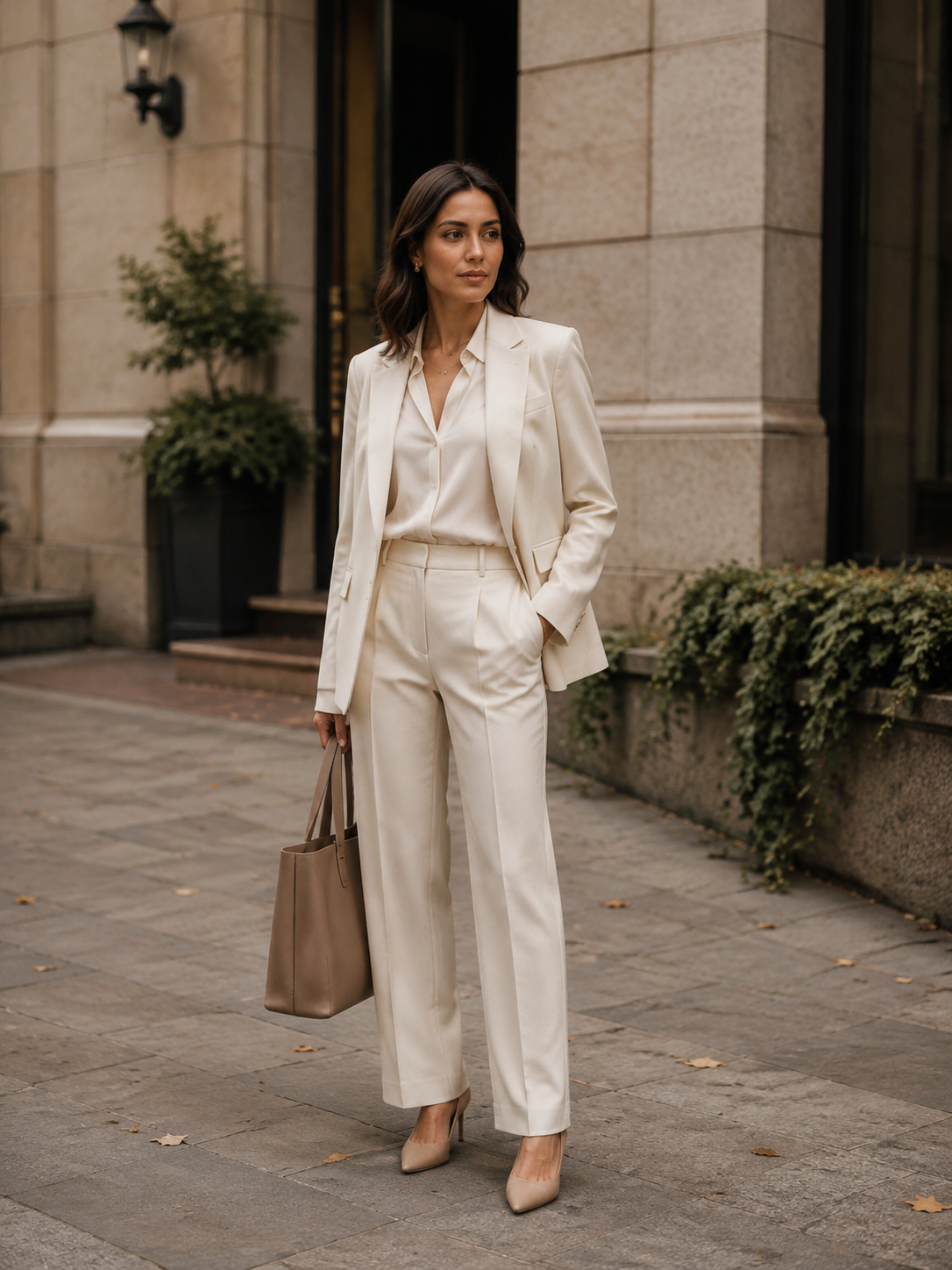
- If no reply arrives, wear an outfit that survives both readings: a base that fits the casual end, plus a removable layer (jacket, wrap, blazer) that lifts it, and shoes you can genuinely stand in. Acknowledge the residual uncertainty instead of pretending overdressing eliminates it — slightly over is survivable, uncomfortable is not.
- Know when not to purchase
- Do not buy for an uncertain code before asking; do buy — or borrow — only once a requirement is explicit and nothing you own meets it. A borrowed jacket or a rented formal piece solves a named requirement without adding a wardrobe you will not wear again.