Policy says smart, not smart casual
At the sharper stated tier, add the piece most people skip: a jacket, or a more considered dress or tailoring. Collar plus jacket plus leather shoes meets a “smart” wording without reaching for black tie.
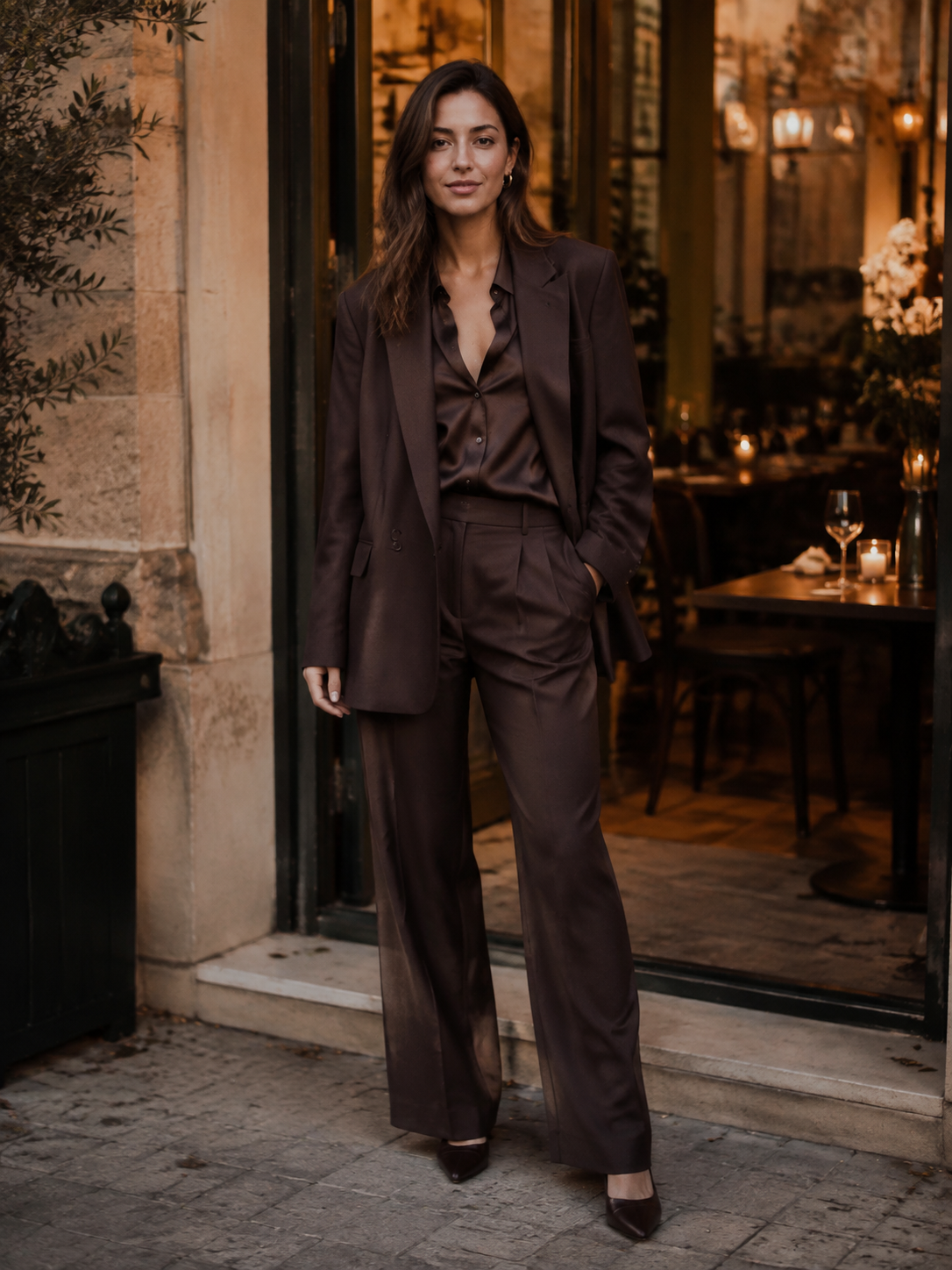
Occasion guide
Some restaurants publish a dress policy and apply it at the door. Check the venue's own wording for that location before you dress, and build an outfit that clears their stated bar with room to spare.
Begin hereOccasion advice
When a restaurant has a dress code, read the policy for that location before choosing your outfit. Check any specific restrictions on shoes, jackets or casual clothing, and ask about unclear items. A restaurant's price or photographs can provide context, but neither replaces its stated requirements.
Dress codes are set per venue, not per brand, and they change. The only wording that counts is the current policy for the exact restaurant, at the exact time you will be there.
Work through these sources in order — first hit wins:
An expensive dining room must mean a strict, formal dress code.
Some fine rooms publish only “smart casual” or even “casual”, and some modest neighbourhood bistros ask for more. Price signals context, not requirements — only the stated wording does, and “expensive equals formal” fails in both directions.
Policies are written in four registers, and they carry different weight. Sorting the sentences into these buckets tells you what is negotiable and what is not.
| Wording type | Example phrasing | What it means for your outfit |
|---|---|---|
| Explicit requirement | “Jackets required.” “No sportswear or trainers.” | Follow it literally. This is the enforceable part of the policy and the door team's brief. |
| Examples or guidance | “Think collared shirts, dresses, smart shoes.” | Treat as a strong steer, not a checklist. Match the register described rather than copying each item. |
| Ambiguous phrase | “Smart dress preferred.” “No beachwear.” | Reasonable people differ — ask the venue about your specific item, and default one notch smarter meanwhile. |
| Styling preference | “We encourage guests to dress for the occasion.” | No stated rule is being set. Dress to the room and the evening; nothing here will be enforced. |
These are hypothetical policies — the kind of wording venues actually publish — each with a complete outfit built to clear it. Match the row to the wording you just found, not to the room's reputation.
| Piece | Policy: “smart casual” | Policy: “no sportswear, no trainers” | Policy: “smart, jackets encouraged” |
|---|---|---|---|
| Top half | White oxford shirt or fine merino crew; a structured blouse works equally | Plain collared shirt or a fine-knit polo — nothing slogan-printed or athletic | Collared shirt under an unstructured blazer, or a considered dress with shape |
| Trousers or skirt | Navy tailored trousers or a knee-length wrap dress | Charcoal wool trousers or dark, straight denim without distressing | Wool trousers or a tailored dress — denim left for another night |
| Shoes | Dark leather loafers, low heels or clean minimal leather sneakers | Loafers, derbies or heeled boots — leather beats mesh when the wording names trainers | Polished derbies, pumps or heeled boots |
| The check | Meets the stated tier exactly, at its sharper end so nothing is left to the door team's mood | Every named item avoided, and nothing worn that a stranger could call sportswear | The encouraged jacket added; the outfit would pass even if the door applies “smart” strictly |
If your planned outfit contains something the wording does not settle, one short message to the venue replaces hours of guessing. Name the specific item and any accommodation you need.
A message like: “I have a 7.30pm booking on Saturday under Hartley. Would dark, clean leather sneakers be acceptable under your dress code? One of our party uses orthotic shoes.” Then stop — you have asked; wait for the reply rather than assuming a yes.
Decide now what you will wear if the answer is no: usually a like-for-like swap in a safer material (leather shoes instead of mesh, a collared knit instead of a tee), not a rebuild.
Even a friendly yes on the phone does not guarantee how a different door manager reads the same wording on a busy night. That is why the fallback outfit and the one-notch margin exist — they keep the booking safe even if the door disagrees.
Two passes, two jobs:
BEFORE YOU CHOOSE
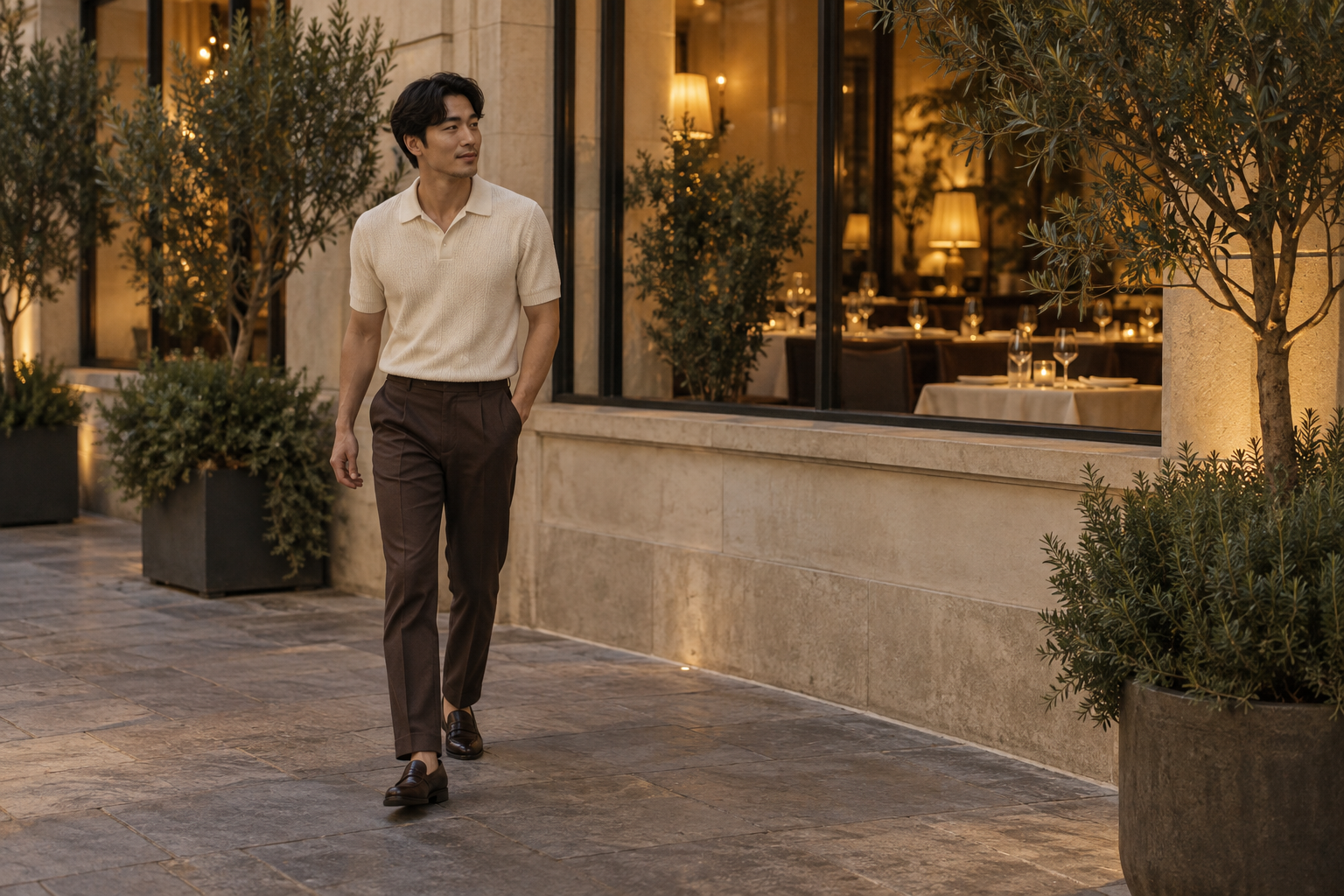
Navy tailored trousers, a white oxford shirt or cream knit polo, a mid-grey merino crew, dark leather loafers and a matching belt. Checked against a standard “smart casual” wording, it clears the stated tier without reading as overdressed at the table. The image is a generated illustration of the colour and proportion combination, not a photo of these garments or an endorsement by the venue shown.

A knee-length wrap dress in a deep jewel tone, low block heels, simple gold jewellery and a clutch or small crossbody. Built for venues whose wording says smart rather than smart casual — the considered dress answers the sharper tier on its own terms.
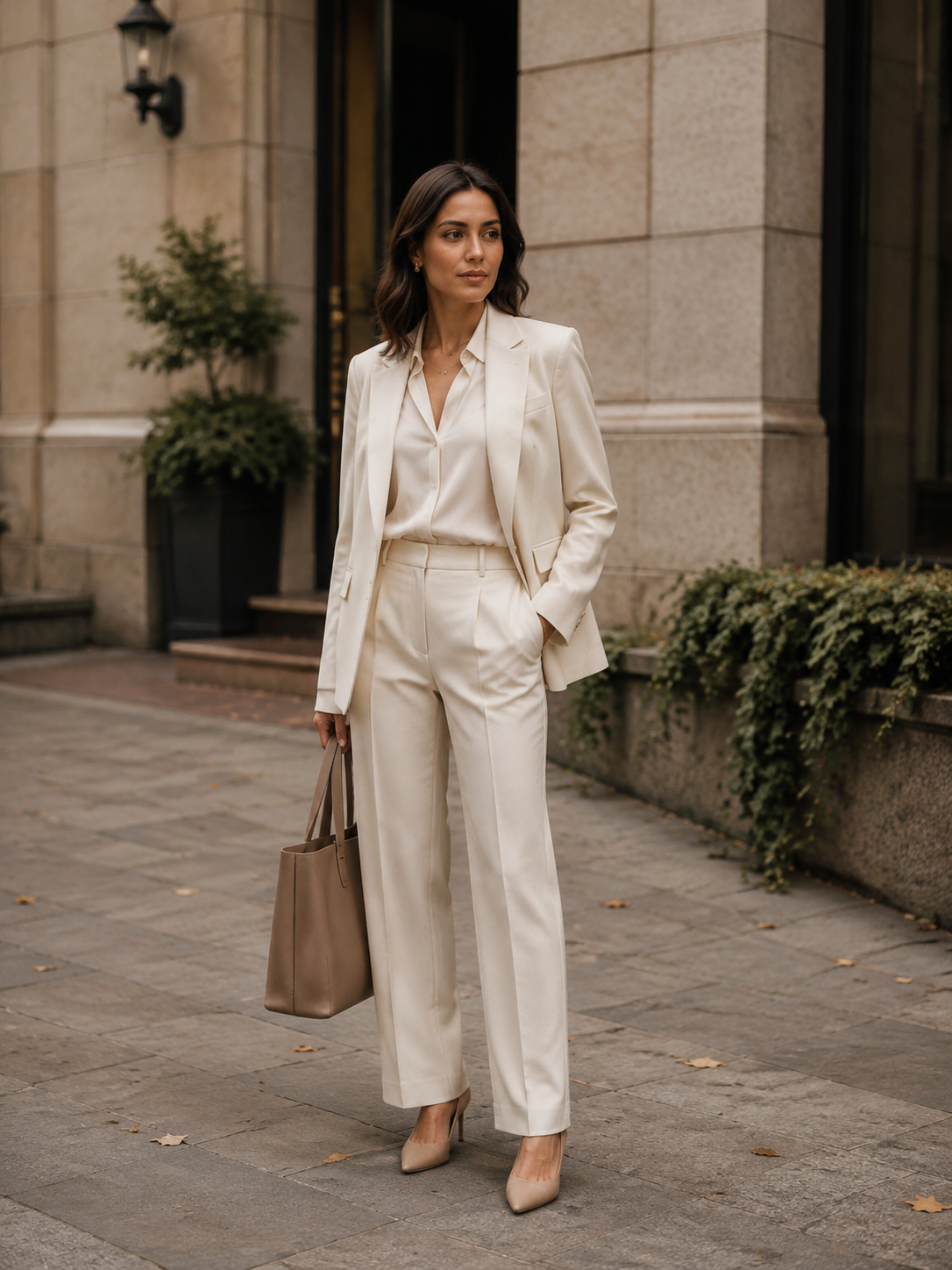
What you wore to work often clears a stated policy already: charcoal wool trousers, a light-blue shirt, and derbies or loafers. Swap or add the knit on the way if the venue's wording leans formal — no full outfit change needed.
At the sharper stated tier, add the piece most people skip: a jacket, or a more considered dress or tailoring. Collar plus jacket plus leather shoes meets a “smart” wording without reaching for black tie.
Outdoor spaces bend the plan toward weather rather than wording. Keep the policy-safe base but layer for wind and cooling evenings — a blazer, shacket or pashmina — and choose block heels or loafers if the surface is decking or grass.
Some fine rooms genuinely publish casual. Read casual as their stated floor, not a target: dark jeans, a quality knit and clean minimal leather sneakers fit the letter of the policy and the tone of the room at once.
Heat is where stated policies bite, because shorts and flip-flops are the temptations they name. Substitute lightweight linen or cotton trousers, a short-sleeve collared shirt, and unlined loafers or leather-strap sandals rather than plastic.
Dinner & Going Out
Smart casual first date outfits built around the plan, the venue and your own comfort — complete options you can sit, walk and talk in, with no dress-code guesswork.
Dinner & Going Out
What to wear to a smart casual dinner: check the restaurant first, then three complete outfit formulas with seated-comfort tests, substitutions and work-to-dinner swaps.
Dinner & Going Out
One outfit for dinner and a theatre performance: checking both venues' stated requirements, dressing for the stricter one, and staying comfortable on the journey between them.