Skip to content

Find your next good read.

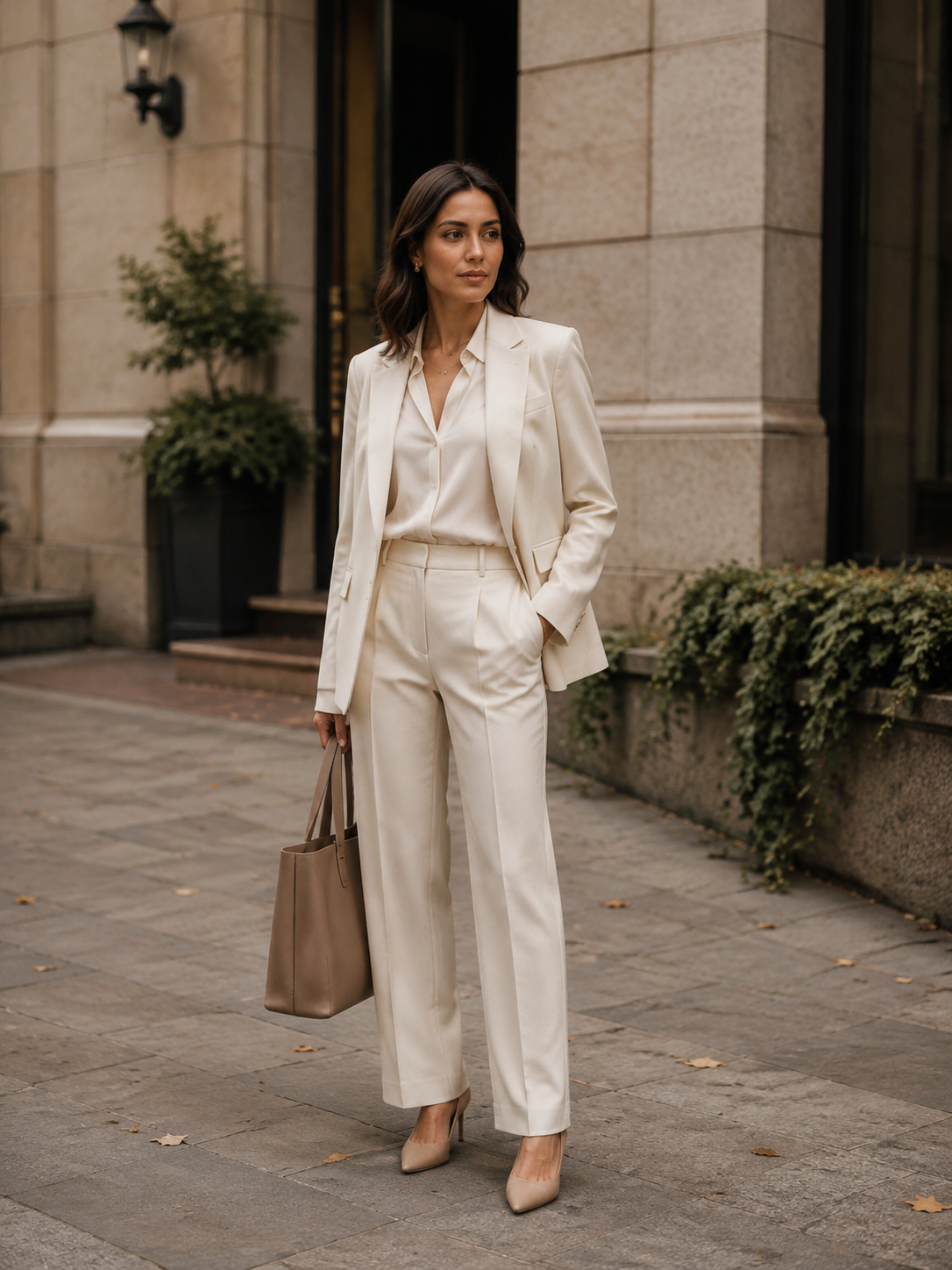
Woman in an olive blazer, cream shirt and taupe trousers with brown loafers in a sunlit office.

Dress code comparison

Smart Casual vs Semi-Formal

Semi-formal usually asks for a dressier outfit than smart casual, but the invitation and host still matter. Check the wording, look for extra guidance, then choose an outfit that meets the stated expectation and lets you move comfortably.

Begin here

Comparison

Smart casual or semi-formal: how to read the request

Semi-formal usually asks for a dressier outfit than smart casual, but the invitation and host still matter. Do not treat semi-formal, formal and black tie as interchangeable. Check the wording, look for any additional guidance, then choose an outfit that meets the stated expectation and lets you move comfortably.

Myth

Semi-formal means formal, and formal means black tie optional — the terms are steps on one ladder, so any dressy interpretation lands in the same place.

Fact

These labels are not standardised across hosts, and treating them as interchangeable is how guests overshoot or undershoot. Some hosts use semi-formal to mean suits and ties; others mean dressy separates are fine. The invitation, any linked guidance, or a short question to the host settles it.

  1. Check what is actually written

    Reread the invitation for the exact wording, then follow any link the host included — wedding websites and event pages often carry examples that settle the question before you ask anyone.

  2. Send one specific message

    “Would a dark suit with an open collar fit the evening, or should I add a tie?” Named options take the host ten seconds to answer, unlike “what should I wear?”. Ask early enough that the reply can still change your outfit.

  3. Build the outfit to the stated floor

    A matched suit or a structured dress meets the common semi-formal reading; dressy separates meet it when the host's examples show them. Choose polished flats or heels you can sit, stand and dance in — comfort is part of meeting the code, not a compromise on it.

  4. Keep an adaptable fallback

    If no reply arrives, wear the smart casual outfit you trust most and carry the semi-formal lift with you: a tie in a pocket, a jacket in the car. Adjusting on arrival is easier than guessing wrong with no plan.

Smart casual is the fair reading when

  • No code is named and the venue's own client base dresses at dinner-polished level.
  • The host's wording leans soft — relaxed, festive, casual — even if the hour is late.

Lean semi-formal when

  • The invitation names the code, or the host's own guidance shows suits and structured dresses.
  • The occasion sets a floor — most weddings, engagement parties and formal dinners do — and interpretation is not offered.

THE SHORT ANSWER

Choose for the day ahead.

Read the invitation before choosing. Smart casual is a range with casual pieces allowed inside it; semi-formal asks for a dressier, more finished outfit — usually a matched suit or a structured dress — and the host sets exactly where that floor sits. When the wording gives extra guidance, follow it. When it is genuinely ambiguous, ask one specific question and keep a fallback outfit from clothes you already own.

Side by side.

The differences that matter
AspectSmart casualSemi-formal
Suit and dress expectationA blazer with trousers or chinos counts; dresses can be relaxed shapes and separates are welcome.A matched suit or a structured knee-to-midi dress is the common reading; dressy separates work when deliberate.
Tie and necklineTie optional and usually skipped; open collars and fine knits sit comfortably.Varies by host: many expect a collar and a more covered, deliberate finish, but semi-formal does not automatically mean tie.
Fabric and finishTexture and matte cloth are the norm: flannel, tweed, oxford cotton, chino twill, merino knits.Smoother, pressed, more finished cloth: worsted wool, poplin, crepe; the outfit should look planned, not assembled.
FootwearNeat leather or clean minimalist footwear: loafers, derbies, dressy flats, block heels.Polished leather shoes, or polished flats or heels — chosen to match the outfit's finish rather than the day's comfort alone.
Denim and casual knitsThe defining tolerance: dark, unfaded denim and fine knitwear are legitimate building blocks.Usually out; if the host's own examples include them, that is their reading, not a general rule.
How hosts use the termApplied to flexible offices, dinners, galleries and relaxed celebrations.Applied to weddings, engagement parties and formal dinners — occasions where a host sets a floor rather than a range.

What should guide your choice?

  • The wording on the invitation — take the named code as the host's own definition and look for any linked guidance before importing outside definitions.
  • Additional guidance from the host — a wedding website, an events page or a direct answer overrides generic etiquette charts.
  • Terminology variance — 'semi-formal', 'formal' and 'black tie optional' are not interchangeable; check whether the host actually used the words you assume.
  • Time of day as context, not rule — evening invitations lean darker and more finished, but only the wording states the code.
  • Comfort and movement — an outfit that meets the stated expectation but hurts to sit, stand or dance in does not meet it for long.

The right choice depends on the setting.

A wedding invitation that simply says semi-formal

Take the code at face value and look for any couple's page with examples. A dark matched suit, or a structured knee-to-midi dress with polished flats or heels, meets the common reading without overshooting into black tie territory.

An evening event where the wording is ambiguous

Send one specific message: “Would a dark suit with an open collar fit the evening, or should I add a tie?” Named options get answered; open-ended questions get ignored. Keep a jacket and a tie within reach as an adaptable fallback either way.

A daytime invitation in summer

Daytime shifts fabric and colour — lighter wool, crepe or a mid-tone dress — not the code itself. A lighter suit or an unstructured dressy dress can meet a semi-formal request without overheating; treating time as an automatic upgrade or downgrade is the error to avoid.

A ceremony with religious or cultural requirements

Covered shoulders, head coverings or colour customs are facts about that ceremony, and they come from the host or the institution's published guidance. Do not infer requirements from the building type, and do not assume — check what the organisers actually ask of guests.

Keep exploring.

Work & Dress Codes

Smart Casual vs Business Casual: What Changes?

Smart casual vs business casual: the two codes overlap, and context decides which one applies. Compare jackets, shirts, shoes, denim and knitwear, and learn what actually settles the choice.

Work & Dress Codes

What Is Smart Casual? A Practical Guide

A plain definition of smart casual: tidy, considered clothing a step below business dress, with complete example outfits, non-examples, and how the setting shifts the balance.

Dress Codes

Smart Casual vs Cocktail Attire: What to Change

Smart casual and cocktail share many pieces but make different requests. Compare invitation expectations, complete outfits and footwear, and see when a change of clothes beats a change of accessories.