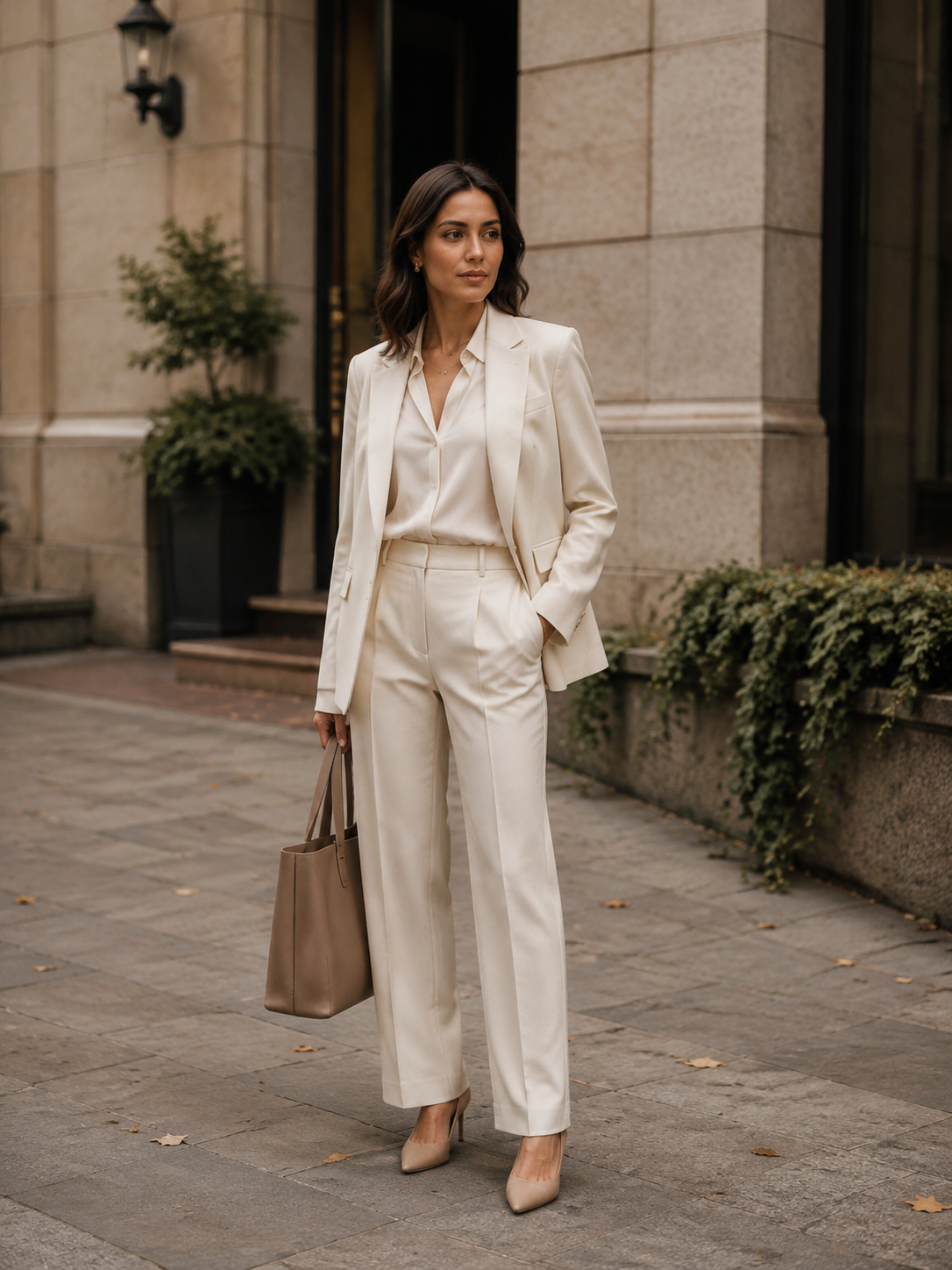
A workplace dress policy is most useful when you read who it covers, when it applies and which exceptions it allows. The wording matters more than a shorthand label such as business formal. This article examines the State Department policy as reported on 3 April 2026 and separates its specific requirements from the broader questions employees can ask about their own workplace rules.
01 / THE DEVELOPMENT
The idea in focus.
02 / OUR INTERPRETATION
What it means in practice.
For ordinary wardrobes, the development is less about business suits returning than about uncertainty returning. When expectations are unwritten, dressing slightly above the room's median is a low-cost hedge; when they are codified, reading the actual policy beats guessing. The practical posture for anyone watching their own employer is to notice whether soft norms are hardening — a nudge here, a reminder there — without assuming that one department's change predicts anyone else's.
A dress code does not appear because clothes changed. It appears because agreement about clothes collapsed, and writing things down is how organisations admit that.
What the manual now says
Fox News reported on 3 April 2026 that the department had codified attire standards in its Foreign Affairs Manual, stating that for meetings or official engagements with foreign interlocutors, dress is business formal and personal appearance polished and professional unless otherwise specified. The manual also ties expectations to duties, work environment and the level of contact with external stakeholders. The standards apply across both the civil service and the foreign service — an organisation whose dress norms had previously lived in custom rather than text.
| The code sets | The code leaves open |
|---|---|
| Business formal for meetings and official engagements with foreign counterparts | What 'unless otherwise specified' permits in specific meetings |
| A polished, professional personal appearance | How 'polished' is judged in practice — no item-level list is reported |
| Expectations tied to duties, work environment and external contact | Day-to-day dress for roles with little external-facing work |
| Coverage of both civil service and foreign service | Enforcement steps and any case-by-case exceptions |
Weighing the 'first-ever' claim and the quotes behind it
Both reports describe the April manual change as the department's first written dress code, and the headline framing — first-ever — comes from Fox News rather than from a published department statement. The named comment on the record is Assistant Secretary Dylan Johnson's defence of the policy as projecting credibility and respect. The explanation for why it happened — that some staff had been dressing, in an unnamed official's words, pretty informally — is anonymous reporting, and it should be weighed differently from a named statement.
A State Department dress code means offices everywhere are switching back to suits.
The reported code covers one department's engagement meetings. Much of the corporate world remains explicitly casual, and the useful signal is the mechanism — codification after drift — not a confirmed economy-wide swing to formal dress.
Reading a dress code like a policy, not a headline
Most readers will never work under a business formal mandate, and the transferable lesson is about how dress codes behave rather than what this one says. Codified rules are usually narrower than the old unwritten expectations, because text cannot capture every context — which is why the reported manual hedges with clauses about duties and setting. The practical move when a code appears, at your employer or anywhere you work, is to read it the way the State Department manual invites you to read this one.
Find the actual text
Check the handbook, intranet or HR before acting on a news report or office rumour. A written clause beats remembered custom.
Note who and what it covers
Look for the role, setting and contact tests. A rule about client meetings is not a rule about your Tuesday at your desk.
Read the qualifiers as closely as the headline
Hedges such as 'unless otherwise specified' or 'tied to duties' carry most of the flexibility in any dress code.
Ask role-specific questions
If your own work sits near the rule's edge, one direct question to your manager or HR settles more than guesswork about what business formal or smart casual means.
One hedge is worth keeping from the older advice: owning a single outfit that would pass a stricter reading costs little, so a sudden codification costs you nothing but a hanger. That is preparation for ambiguity, not a prediction that a mandate is coming.
Before you act on a report like this
A dress-code story travels fast and loses its qualifications on the way, so it is worth checking the reporting before it changes what you wear. Each check below takes minutes and separates a policy that governs you from one that merely made headlines near you.
Five checks before a headline changes your wardrobe:
- Confirm the primary source: this story rests on a Fox News report and the manual itself, not a department press release.
- Check the date: the reported change is from 3 April 2026, so any later claim about enforcement or expansion needs its own reporting.
- Separate named from anonymous: Dylan Johnson's defence is on the record; the 'informal dressing' rationale is an unnamed quote.
- Check the scope: coverage of foreign-engagement meetings at one department is not coverage of your office.
- Read your own policy first: the code that governs your wardrobe is the one your employer has actually written.
FROM THE STORY TO YOUR WARDROBE