In March 2026 a dress-code notice at Ruth's Chris Steak House went viral, and coverage focused on the hat rule. The chain's own published policy asks for far less than the argument implied, and most wardrobes already clear it.
01 / THE DEVELOPMENT
The idea in focus.
02 / OUR INTERPRETATION
What it means in practice.
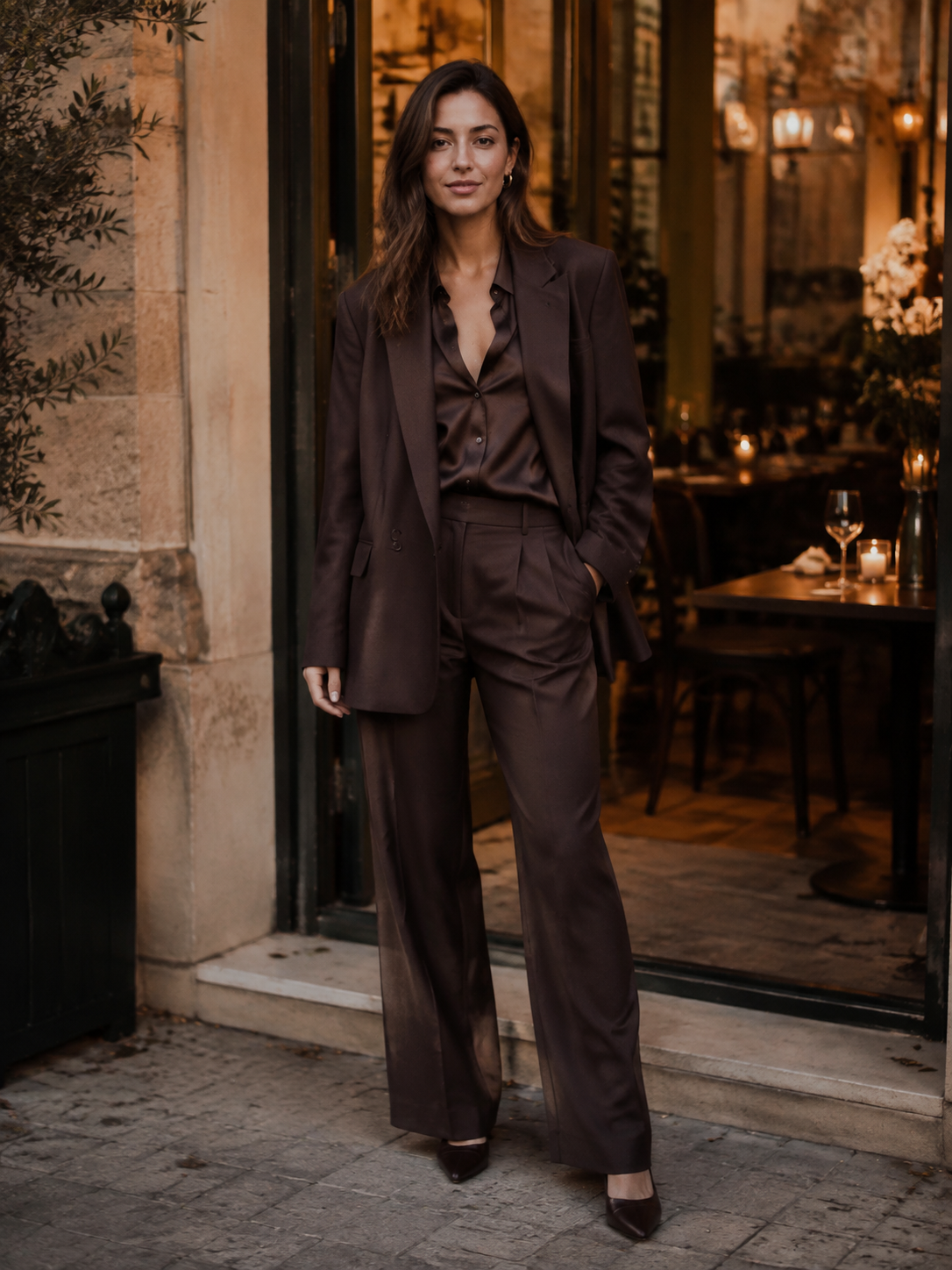
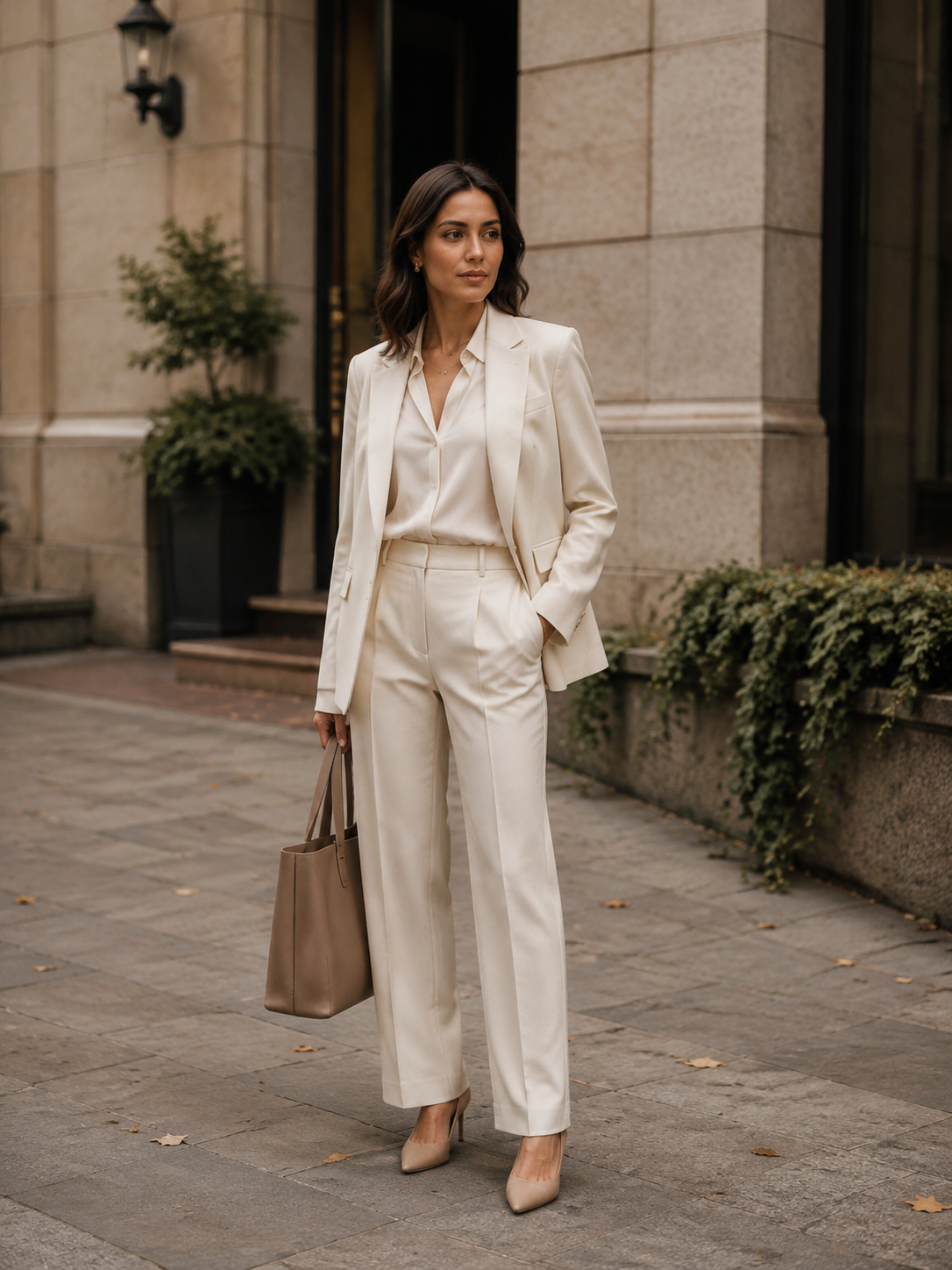
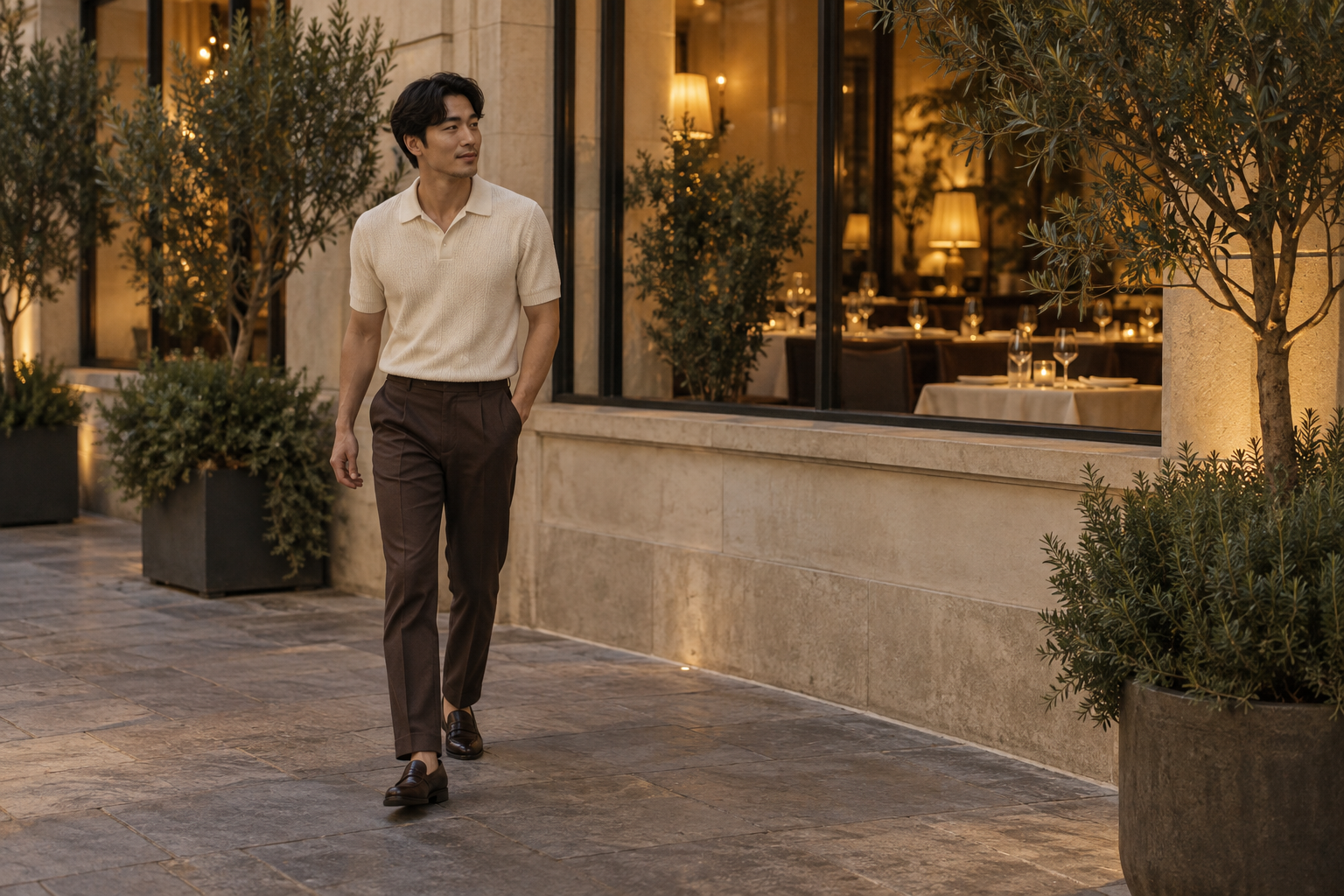
Strip out the noise and the published policy is a list of six or seven specific items, not a general test of taste. That is how most restaurant policies work: they name the handful of things that cause trouble at the door and stay quiet about everything else. A guest in a collared shirt, dark jeans and loafers is not close to any line in this policy, and neither is a guest in a knee-length dress and low heels. The lesson is to read the venue's own wording rather than the argument about it.
The debate was about hats; the policy was about tank tops, cutoffs and exposed undergarments. Dress for the policy, not the argument.
What the venue’s own page asks for.
The chain's published FAQ is a model of plain wording. It describes a comfortable, family-friendly atmosphere and asks guests not to wear clothing with offensive graphics or language, exposed undergarments, cutoff shorts or tank tops. Hats should come off when entering, though hats and team jerseys are welcome in the bar and patio areas. It closes with the honest caveat that dress codes may vary by location or region, which is exactly why the venue's own page or a quick call outranks any second-hand summary.
Why this one travelled.
Two things made the story bigger than the policy. First, the hat rule read as an enforcement of manners rather than of clothing, and manners arguments travel fast online. Second, the ownership structure gave the story a comic hook: the same company that owns Olive Garden was asking steakhouse guests to lose the cap, and a rival burger chain joined in. None of that changes what a diner actually needs to know, which is a short list of items to leave at home.
The practical response.
Treat a named-items policy as a checklist, not a challenge. Anything called out by name — here tank tops, cutoffs, exposed undergarments and slogan clothing — stays in the wardrobe that evening. Everything else is yours to style, and smart casual already sits comfortably inside what this policy allows. If your booking is for the main dining room rather than the bar, and you wear a hat out of habit, plan to pocket it at the door or take the patio table you may prefer anyway.
FROM THE STORY TO YOUR WARDROBE