The Met Gala's Fashion Is Art theme invited interpretation, but a red-carpet response is not an everyday dress-code rule. This retrospective reads what attendees reportedly wore on 4 May 2026, separates observation from interpretation, and adapts one visible idea — drape or colour — into a modest experiment with clothing you own. The exhibition behind the gala is analysed separately in our Costume Art piece.
01 / THE DEVELOPMENT
The idea in focus.
02 / OUR INTERPRETATION
What it means in practice.
An open-ended brief does not produce uniform answers; it produces camps. Preview coverage expected literal art references, but the carpet resolved into readable groups — draped silhouettes, bold flat colour, body-conscious sculpture — each a defensible answer to the same two words. That is the useful lesson for any loosely worded code: pick one anchor deliberately rather than trying to honour all of them at once.
A vague dress code is not a trap. It is permission to choose your own anchor — colour, silhouette or reference — and commit to it fully.
What the carpet showed that previews did not
Before 4 May, explainers from ELLE and Elle Decor predicted references to specific art movements, Rococo to Pop Art. The actual carpet, as Vogue and Vanity Fair's roundups documented, skewed less literal: drapery that echoed classical sculpture, and strong single colours worn as the statement. The gap between prediction and outcome is the norm for concept-led codes, and it is why waiting for the event record beats trusting the previews.
| Look | Wearer and credit | What it answers |
|---|---|---|
| Saturated flat colour (reported as Yves Klein blue) | Hailey Bieber and Tessa Thompson, among those highlighted in Vogue's carpet coverage | Answers the word art through colour alone: one bold, gallery-like hue carries the whole outfit |
| Body-conscious sculptural gown | Host Beyoncé, in a gown by Olivier Rousteing, closing the carpet per Vogue | Answers the word art through the body-as-sculpture tradition the exhibition also examines |
Costume Art reframes the dressed body
The exhibition behind the gala matters beyond one night, but on its own terms. As the Met describes it, Costume Art pairs garments with paintings and sculpture to treat the dressed body as an artistic subject — the first show in the Costume Institute's permanent gallery space. For the reader, the modest transfer is that a single strong element — the colour of a coat, the drape of a skirt — carries an outfit further than accumulated detail.
The gala and the exhibition are one event on one date, so reading the carpet covers the show too.
They are separate: the gala was 4 May 2026 and the Costume Art exhibition opened 10 May in the Costume Institute's permanent galleries. Our full exhibition analysis lives in the Costume Art journal piece, not here.
Using an open brief without overthinking it
Translate the gala pattern to a work dinner with a creative dress note. Choose one anchor that suits the setting — a saturated colour, a strong silhouette, or one clear reference — and keep everything else quiet so the anchor reads as intentional. Then check the practicalities the carpet ignores: you will sit, walk and possibly commute.
Name the anchor
Pick exactly one: a saturated colour, a draped or sculptural silhouette, or one clear art reference. The 2026 carpet shows all three were accepted answers to the same brief.
Quiet everything else
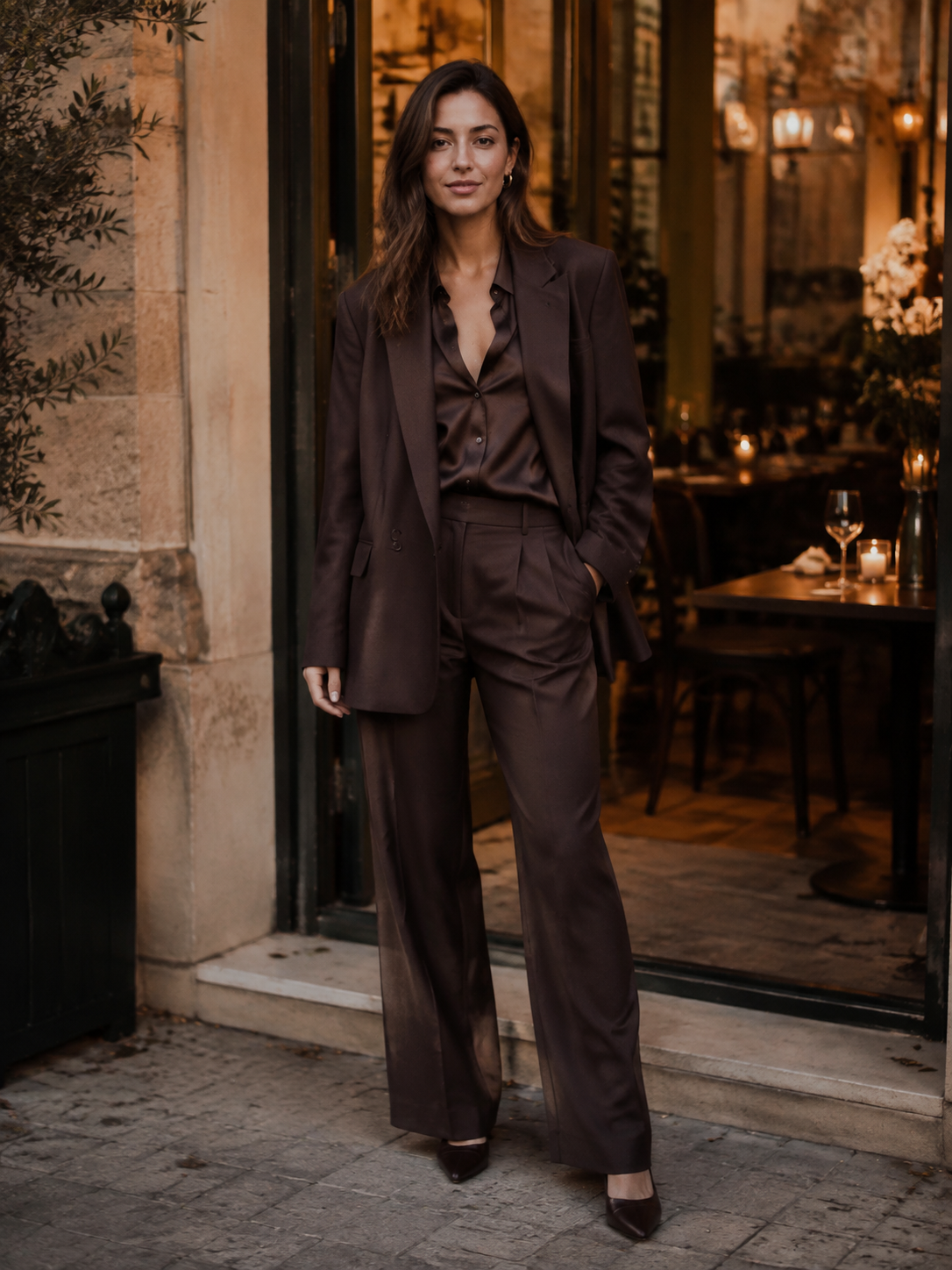
Neutral, plain supporting pieces so the anchor reads as deliberate rather than accidental; flat colour worn simply beats several competing details.
Test it seated and walking
Drape must survive a chair and colour must survive weather; an outfit that only works standing up fails every brief.
Stop short of costume
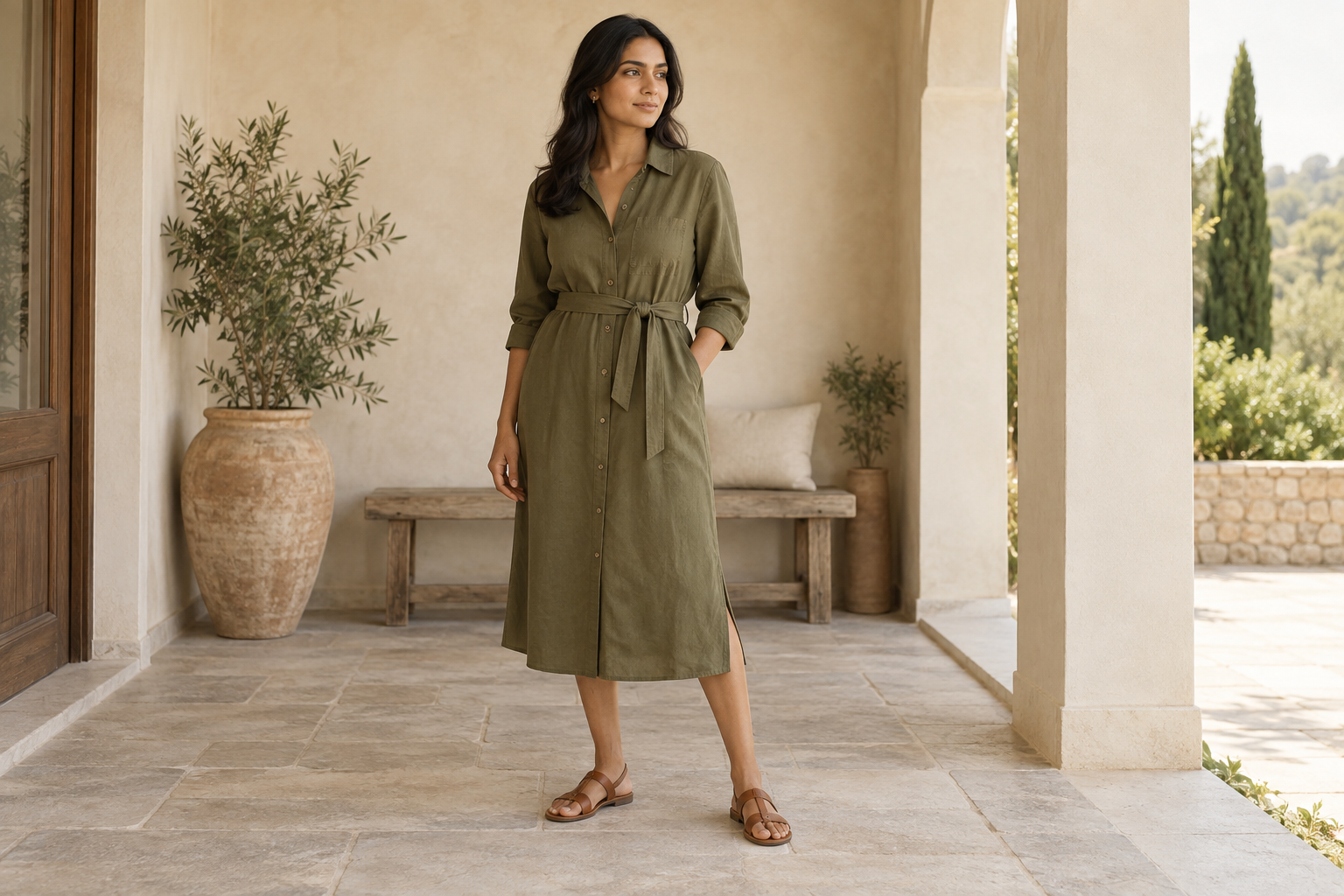
Borrow the principle, not the look: a blue knit or a wrapped scarf adapts the idea, whereas replicating a carpet gown reads as fancy dress away from a red carpet.
Read next
- Costume Art: How the Met's Show Changes the Garments We Thought We Knew ↗
Our separate analysis of the exhibition itself, beyond one night of carpet.
- Smart Casual vs Cocktail Attire: What to Change ↗
When a dress note does name garments, compare what actually changes.
FROM THE STORY TO YOUR WARDROBE