What to Wear
Big and Tall Smart Casual: Silhouettes, Tuck Rules and Where to Shop
Big and tall smart casual: structure at the shoulder, room through the middle, tuck and layering rules for big frames, and where to shop 2XL to 6XL.
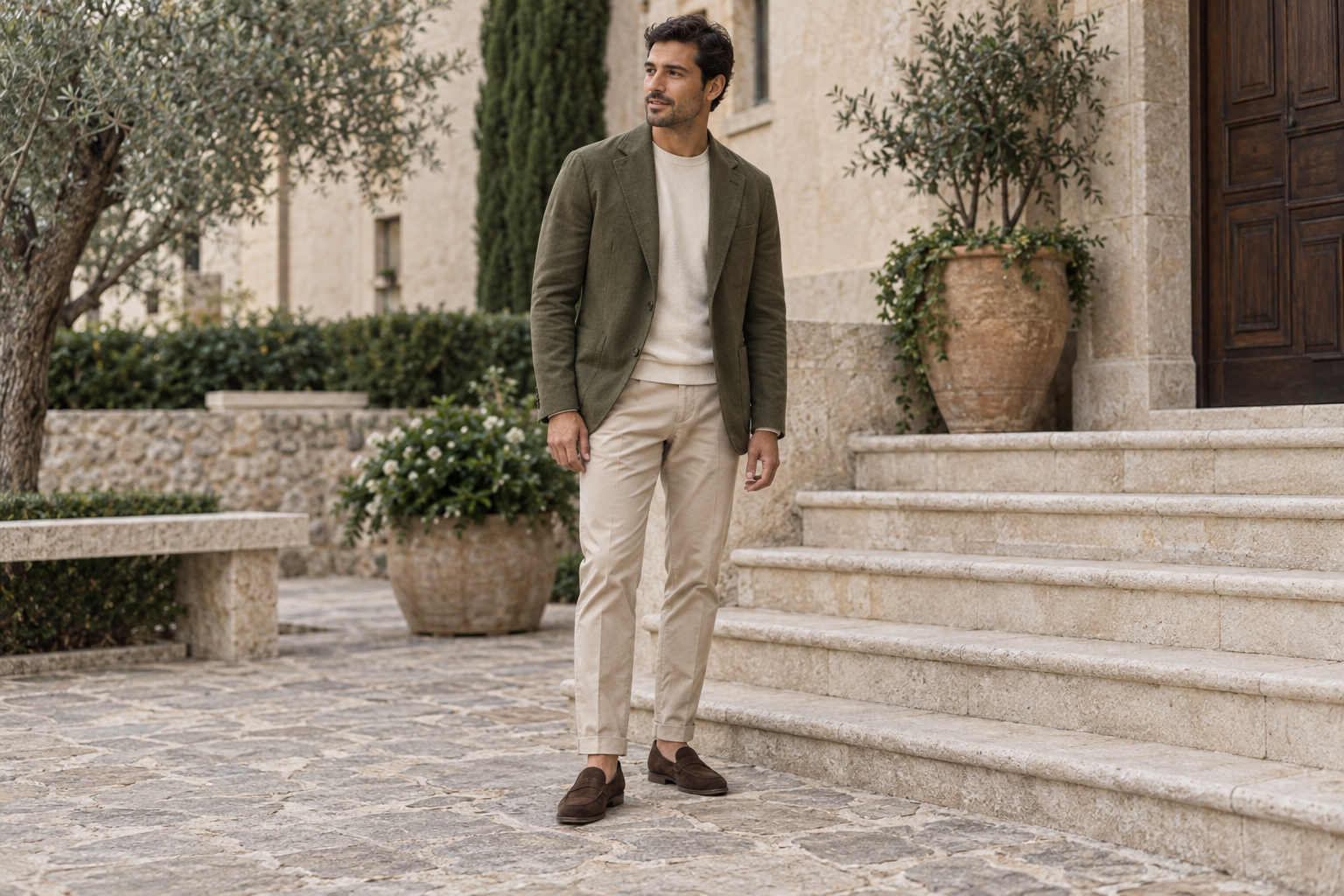
Fit guide
Sleeves ending above the wrist, shirts that untuck when you raise an arm, trousers that flood — tall fitting problems all trace back to three numbers. Here are the measurements, the tests, and the proportion rules that make smart casual look intentional on a long frame.
Begin hereInspiration
Your two chronic failures are always the same: sleeve and inseam length, and shirt bodies that untuck. The fix is directional — buy garments cut long, and take width in at a tailor if needed, because adding length is impossible while narrowing width is routine. Regular XL will not save you: it adds width to guess at length, which is how tall guys end up in a tent with short arms.
Shirt cuffs should land at the wrist bone, showing a centimeter or two past a jacket sleeve; knit sleeves hit the same bone. A sleeve ending above the forearm does not read relaxed — it reads outgrown. Check before buying by measuring from the center back of the neck, over the shoulder, to the wrist: tall cuts typically add a couple of centimeters exactly there, which is why the tall label matters more than the size label.
Shortening a sleeve is sometimes possible and sometimes not — functioning cuffs, plaid matching and jacket sleeves with surgeon's buttons all complicate the job, which is why buying the right length beats altering the wrong one. The constraints are the same ones covered in what tailoring can and cannot fix. Before any event, do the handshake test: shake hands with yourself in the mirror and see whether the jacket sleeve stays put past the shirt cuff.
Know your inseam in inches and buy against it, not against a size tag. The table below gives working targets by height and shoe; treat them as starting points, because leg-to-torso ratio varies more among tall men than tall sizing admits. Mid-to-high rise keeps the proportion balanced — low rise on long legs reads all-leg-no-torso.
| Height | With sneakers or flats | With boots | Break to aim for |
|---|---|---|---|
| 6'2" | 32-33 inch inseam | 33-34 inch inseam | Slight break |
| 6'4" | 34-35 inch inseam | 35-36 inch inseam | Slight or no break |
| 6'6" and over | 35-36 inch inseam | 36 inch-plus, or unhemmed | No break, deliberate |
Slight break and no break both work on a tall frame; the accidental flood does not. A cropped trend cut on a six-foot-four man reads as trousers that shrank unless it is deliberate — clean ankle, no sock showing, no hesitation. When even tall inseams run short, unhemmed finishes from brands that sell them, longer-cut specialists, and boots as legitimate cover are the three honest options; trouser length rules cover how the hem should meet each shoe.
Raise your arms to shoulder height. If the shirt hem escapes the waistband, the body is too short — and no size-up fixes it, because the width you do not need comes with it. Tall or long cuts add body length where you need it.
Untucked, the hem should end at mid-fly; longer than that wants a tuck. A short body shirt also wrecks the tucked look under knits, where the fabric pulls out from behind with every reach — the same reason sweater fit over a shirt depends on the shirt staying put.
A long frame carries everything — the risk is not looking too big but looking undefined. You get to wear what petite guides ban: classic and longline jacket lengths both work, larger-scale checks sit fine, and mid-contrast pairings look deliberate where they would chop a shorter man. Break the vertical on purpose with a belt, a tucked front, or a contrasting layer; head-to-toe dark monochrome can read severe rather than sharp. Scale the details up a touch too — a slightly larger watch face, a wider belt — so the proportions of the outfit match the proportions of the man.
Judge any tall range on three criteria before trusting it: length added without width (a true tall block), coverage beyond tees — blazers and woven shirts, not just jersey — and inseams available to at least 34 inches. Search secondhand by measurement, sleeve and inseam, never by label. At around six foot five, off-the-rack blazer body length versus sleeve is the usual breaking point, and made-to-measure earns its keep there first. The online sizing strategy page covers measurement-first buying in detail.
6 looks to explore
The office anchor: a tall-cut oxford tucked with the hem staying put at mid-rise straight trousers, under an open blazer whose sleeve clears the wrist bone and shows a hint of shirt cuff.

The deliberate no-break: trousers finishing just at the shoe with a single hem line, mid-rise keeping the torso in proportion, loafers closing the outfit without a sock gap.

The casual office: a 34-inch-plus dark jean, an oxford worn untucked at mid-fly, and an overshirt adding the contrast layer that breaks the vertical frame in two.
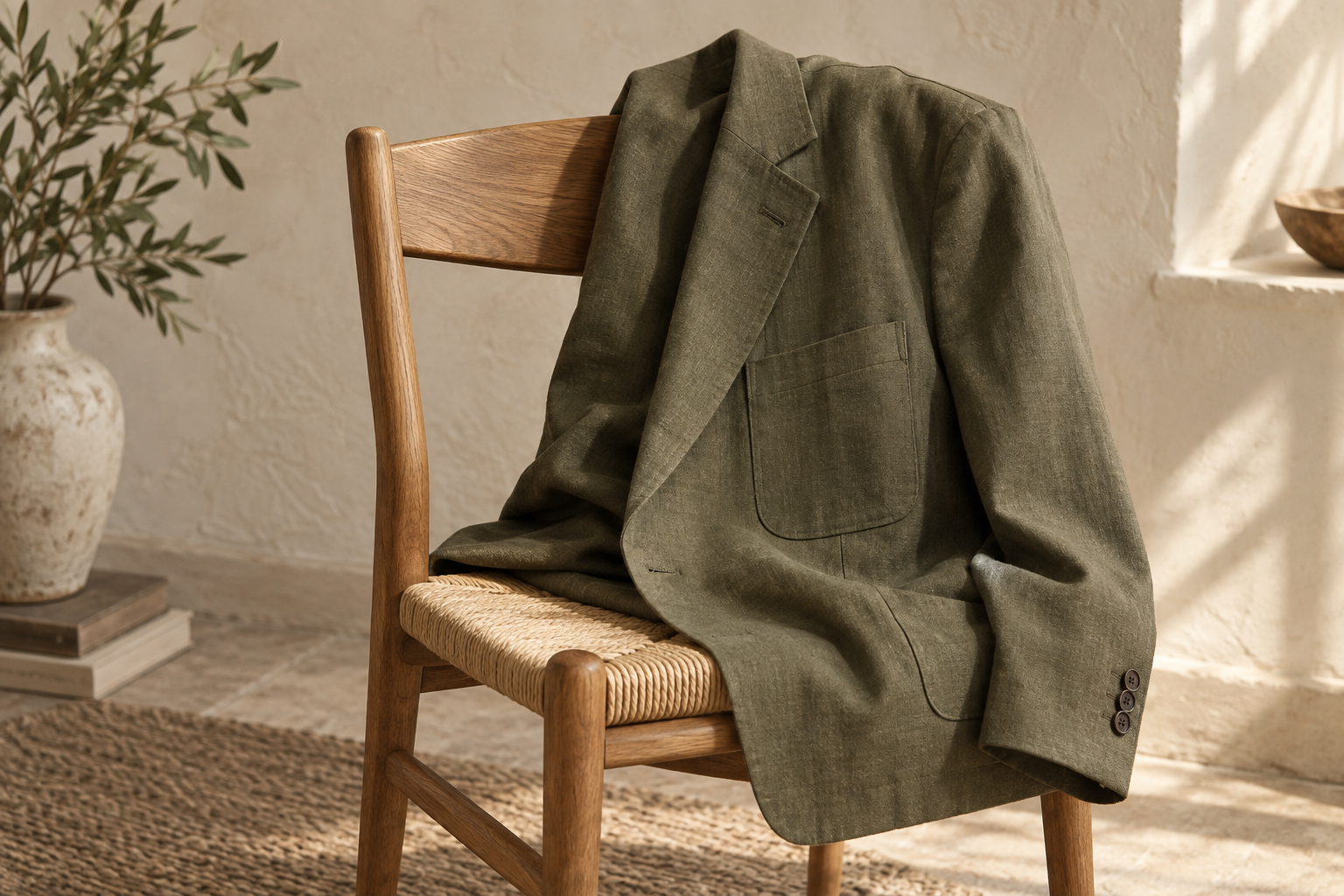
The event look: navy blazer over a collared knit with chinos. The blazer's larger-scale lapel sits proportionate on a long torso, and the sleeve lands past the knit cuff exactly one handshake's worth.

Summer done tall: a camp collar shirt and a linen trouser at its full 34-plus inseam with slight break — no accidental flood, no cropped shortcut.
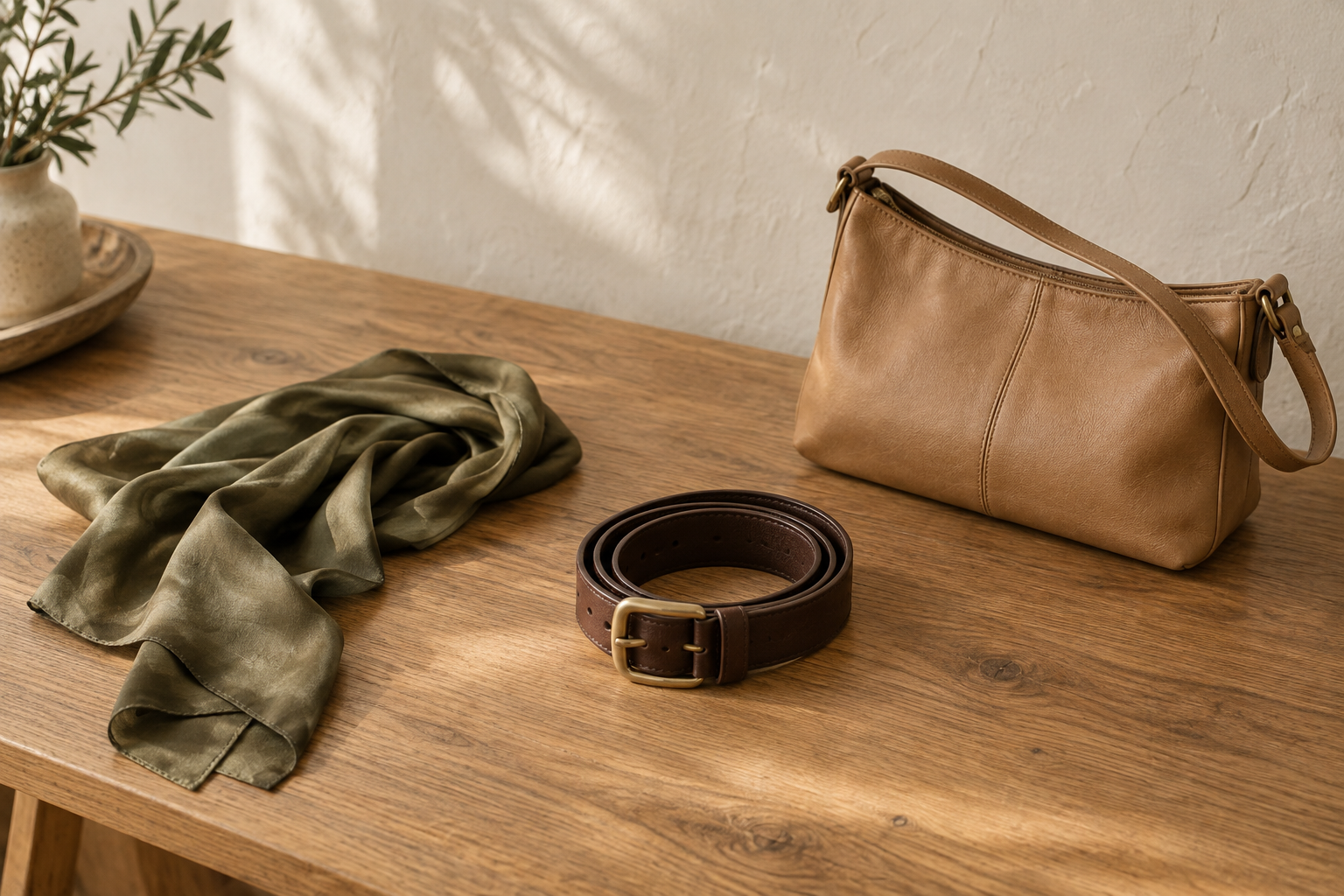
The detail layer: a slightly larger watch face and a wider belt so the accessories hold their own on a long frame, plus a contrast belt line that defines the waist on purpose.
What to Wear
Big and tall smart casual: structure at the shoulder, room through the middle, tuck and layering rules for big frames, and where to shop 2XL to 6XL.
What to Wear
Short men's smart casual is three rules: where the jacket ends, where the trousers end, where the colour changes. Hem heights, jacket length, what to buy.
What to Wear
How to dress well with a big stomach: the skim-don't-cling rule, shirt fit, the tuck question, waistband comfort and the swaps that fix it.