What to Wear
European Smart Casual: Italian and French Style vs UK and US
European smart casual explained: why Italian casual style looks elevated, how French casual differs, plus a comparison table and a packing capsule.

Modest style
Dressing modestly for faith, comfort or preference should never mean shapeless basics or daily layering hacks. This is a wardrobe strategy that clears smart casual dress codes at work, weddings and religious venues — including options for hot climates.
Begin hereInspiration
Coverage never causes frump — fit and fabric do. Every look here keeps one of those two sharp, adds a current detail, and clears the dress code without a second thought.
The formula is structured silhouettes, quality fabric and one modern element per outfit. A covered-but-sharp look — long sleeves, defined waist, crisp poplin — reads more polished than most uncovered ones. A covered-but-shapeless look — volume on top of volume, slouchy fabric everywhere — is what gives modest dressing its frumpy reputation.
That is the whole frump-line rule: coverage is never the problem, fit and fabric are. Pull one lever at a time and the outfit stays current.
The pairing logic is why the list works: those twelve pieces cross-combine into well over twenty compliant outfits. Buy deliberately mid-range — most of this exists at high-street retailers — and if budget is tight, start with the longline blazer, one midi dress, the wide-leg trousers and the shells. Those four cover most weeks. The women's capsule wardrobe expands the full system.
Modern long sleeves are everywhere in retail: fitted fine-gauge knits, structured poplin shirts, wrap tops. The trick is sleeve volume balance — a voluminous sleeve over a voluminous bottom reads shapeless, so pair one full sleeve with a defined waist or a straight leg.
Small signals keep it current: cuffs pushed once, a watch visible over the sleeve, a bracelet at the wrist. Sheer-weight fabrics count as covered and read light — styled camis under blazers work at the office, but at religious venues choose lined, opaque layers instead.
The one-line test: layers should disappear, not stack. Keep every inner layer thinner and more fitted than the one over it. In the heat, one breathable moisture-wicking base layer beats three cotton ones — the hot-humid smart casual guide and the fabrics that hide sweat page pick the right materials.
Three worked builds: trousers with a shell and longline blazer; a midi shirt dress belted with block heels; wide-leg trousers with a fine knit and loafers. All three hit the professional-read rules — a hem that reads intentional, a defined waist or structured shoulder, closed-toe footwear as the baseline.
What undermines the read fastest: creased linen, visible camisole straps, and worn-out flats. Fix those three and most modest office outfits are already there. Modest dressing is a legitimate office aesthetic in its own right, not a workaround to hide — the same standards as any work wardrobe.
Guest builds that work: a sequin or satin midi (modest by length, sleeves added with a lined layer), a wide-leg jumpsuit, or palazzo trousers with a dressy top. Headscarves and hijabs in event fabrics — satin, chiffon with structure — join the outfit instead of sitting apart from it.
Adjust coverage by venue: shoulders covered inside a church ceremony, practical footwear for a barn or outdoor wedding, elevated fabric rather than exposed skin for the evening reception. Skip unlined sheer overlays at religious venues and trailing hemlines on grass. The smart casual wedding guide covers the dress code side in full.
Fabric is the answer, not exposure. Linen, cotton poplin, ramie and open weaves let air move; loose-but-structured cuts drape instead of cling, and a shaped-but-loose midi is genuinely cooler than a fitted jersey dress. Light neutrals reflect heat and keep sweat visibility down — the hide-sweat fabric guide goes deeper.
There is an upside hiding here: coverage is sun protection. In the tropics, covered skin is a strategy, not a compromise — the same clothes that clear the dress code also do the work of a day outdoors.
For a first visit to a church, temple or mosque, the practical baseline is covered shoulders and knees where signage or custom asks, and closed shoes at temples and mosques. Carry a wrap or scarf in your bag and you are ready for anywhere. Check the venue's own guidance over forum anxiety — traditions differ, and the venue knows its own rules. When in doubt, dress one notch more covered: nobody has ever regretted it.
How can I look stylish and modest? Work the three levers — structured silhouette, quality fabric, one current detail — and never all-baggy at once.
Are midi dresses smart casual? Yes — midi is the ideal modest length. Style them with a defined waist or structured layer so the volume reads intentional.
How do I dress modestly in hot weather? Breathable open-weave fabrics in loose-but-shaped cuts, one thin base layer, light colours. Fabric does the cooling, not skin.
Can modest outfits be fashionable? Yes — mainstream retailers now carry dedicated modest lines with current shapes. Check what your usual stores stock this season rather than assuming modest means special-order.
What do I wear under a sheer or low-neck dress? A fitted high-neck shell or longline camisole in a matching or complementary tone — thin enough to disappear, opaque enough to count.
6 looks to explore
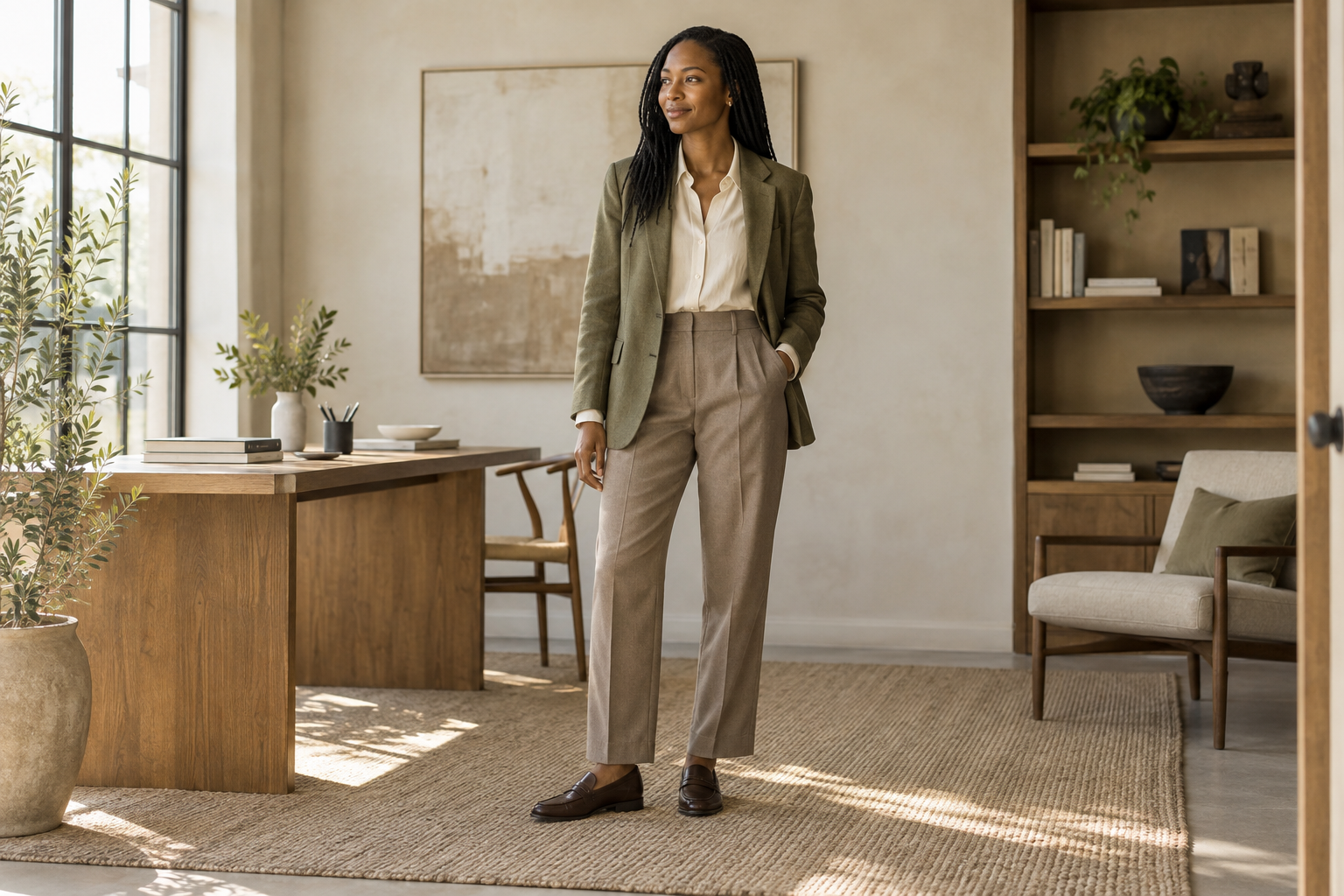
Wide-leg trousers, a high-neck shell and a longline blazer with loafers. Structure does the dressing up; coverage comes built in rather than added on.
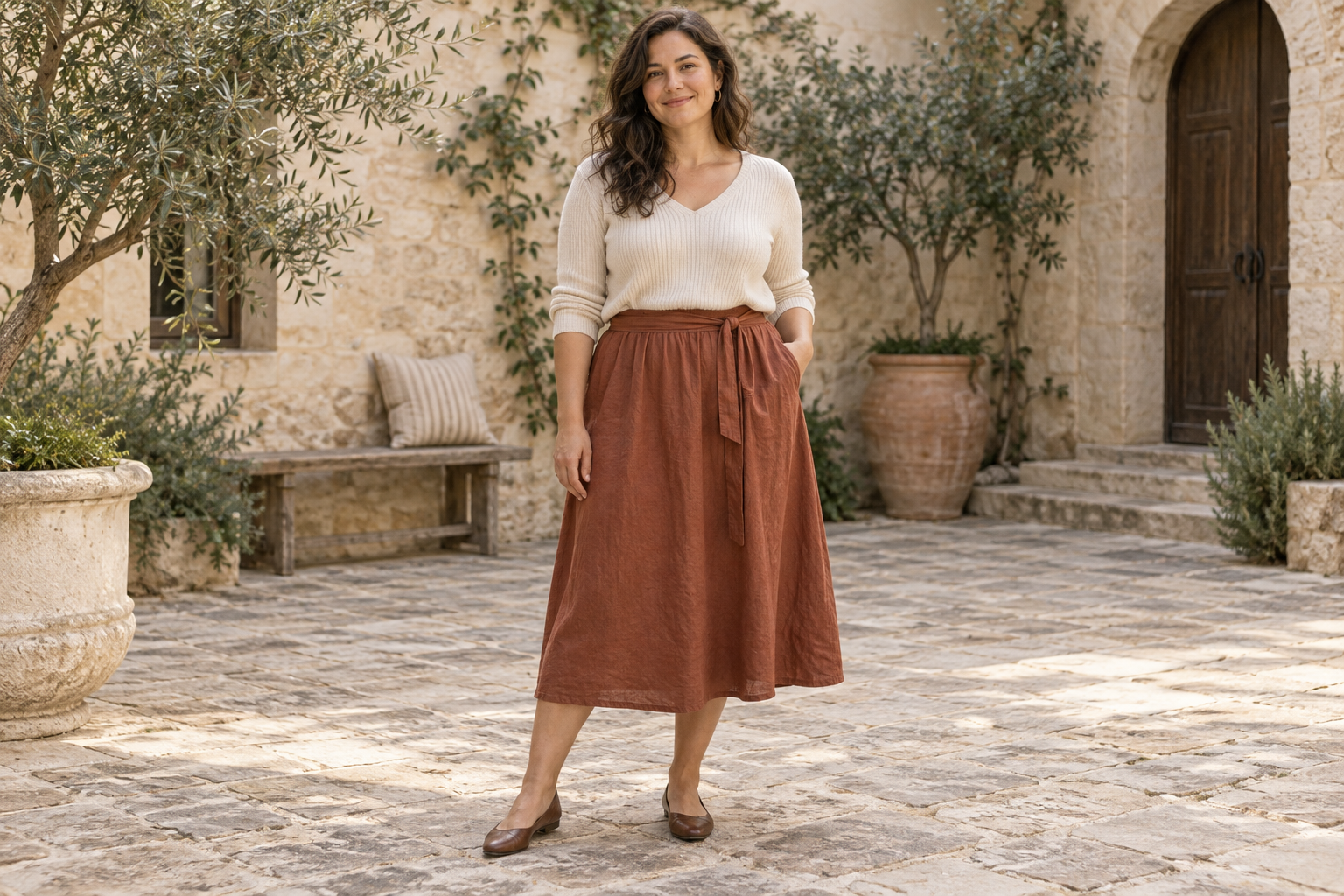
A button-through midi shirt dress, belted at the waist, with block-heel ankle boots. The defined waist is what separates modern from shapeless.
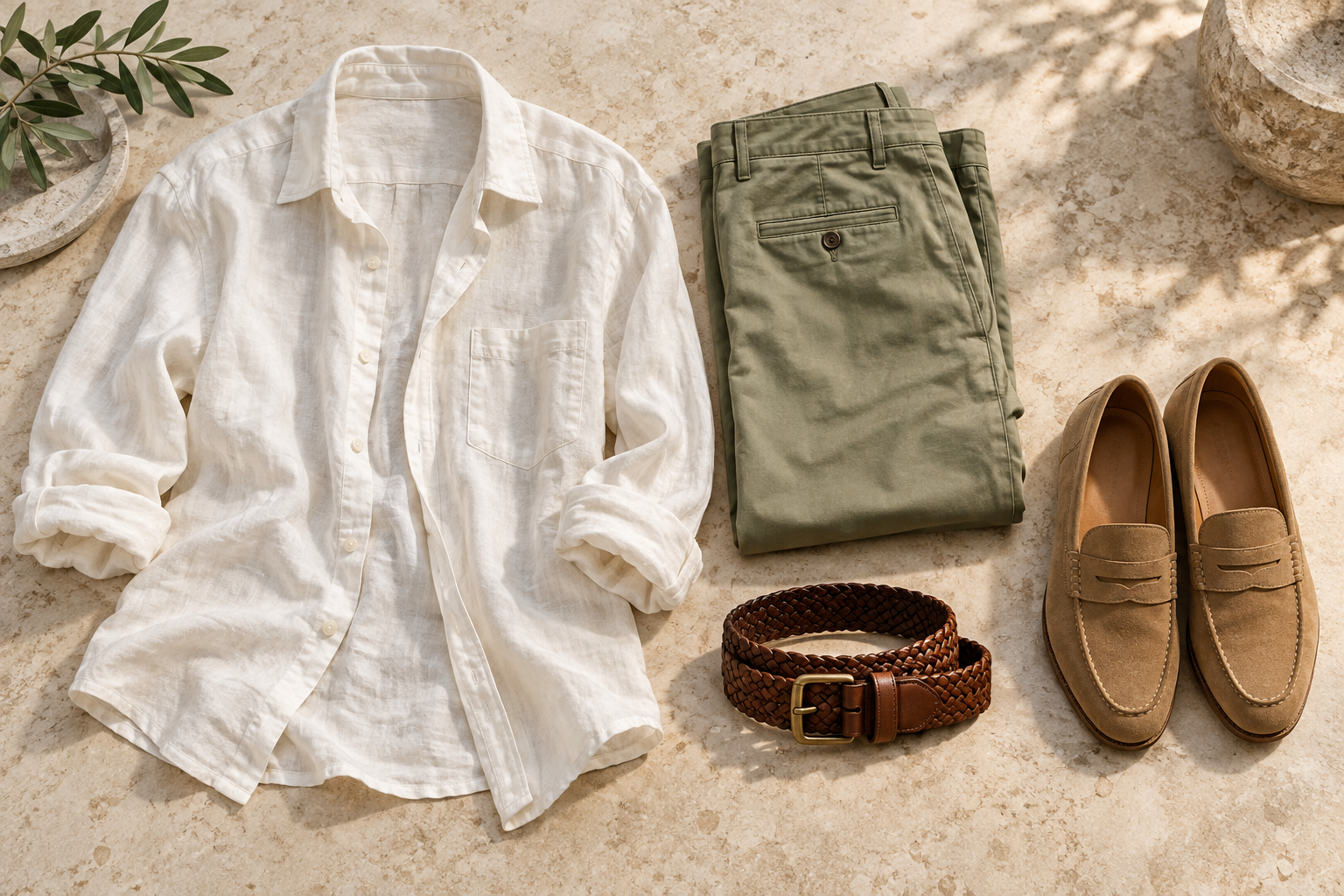
Loose-but-shaped linen midi, unlined and breathable, with a light cotton shell underneath and flat leather sandals. Airflow from drape, not exposure.
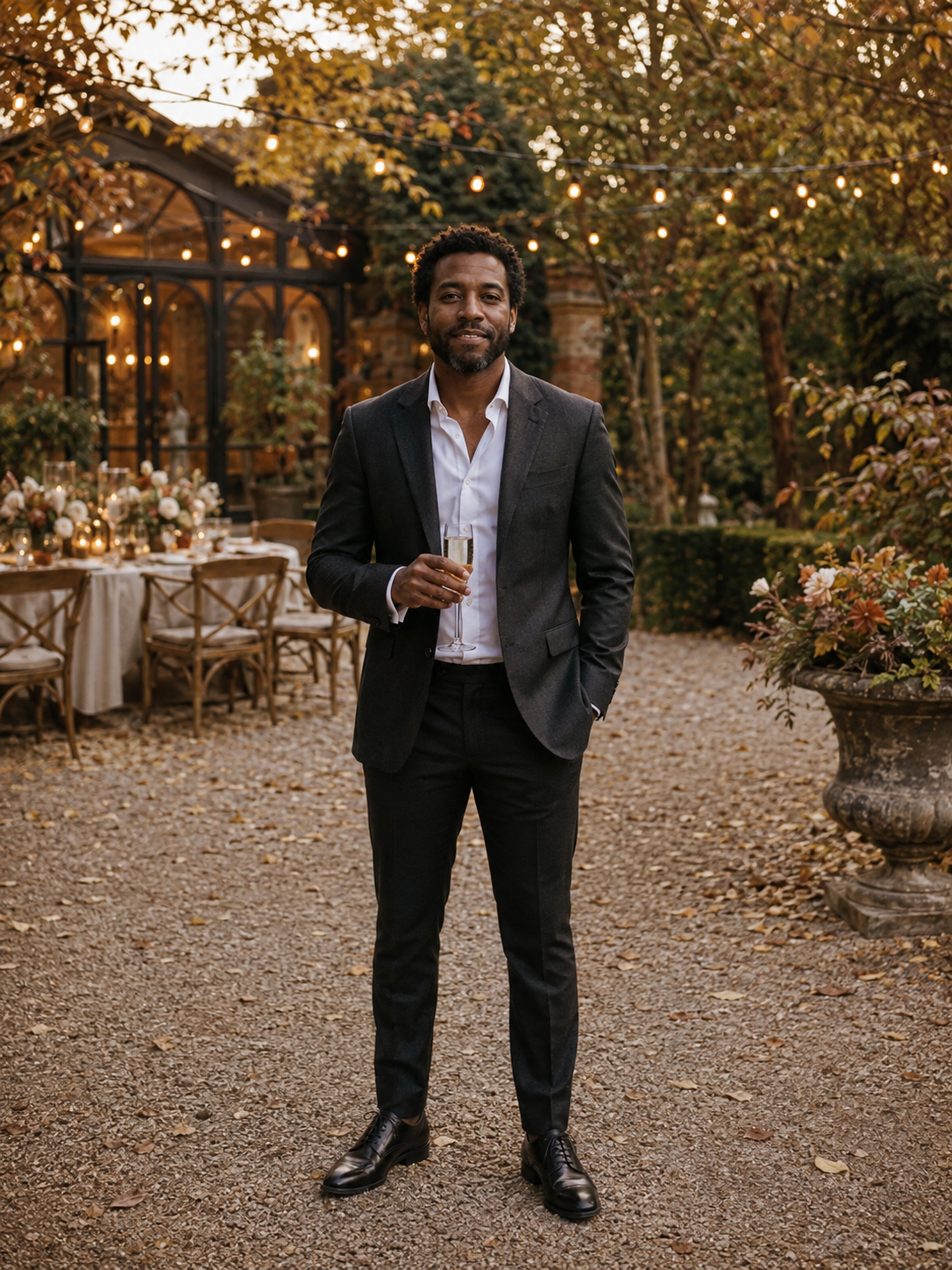
A satin or sequin midi with sleeves added as a sheer-but-lined overlay or a matching cover, plus closed block heels. Coverage and occasion-appropriate shine in one outfit.
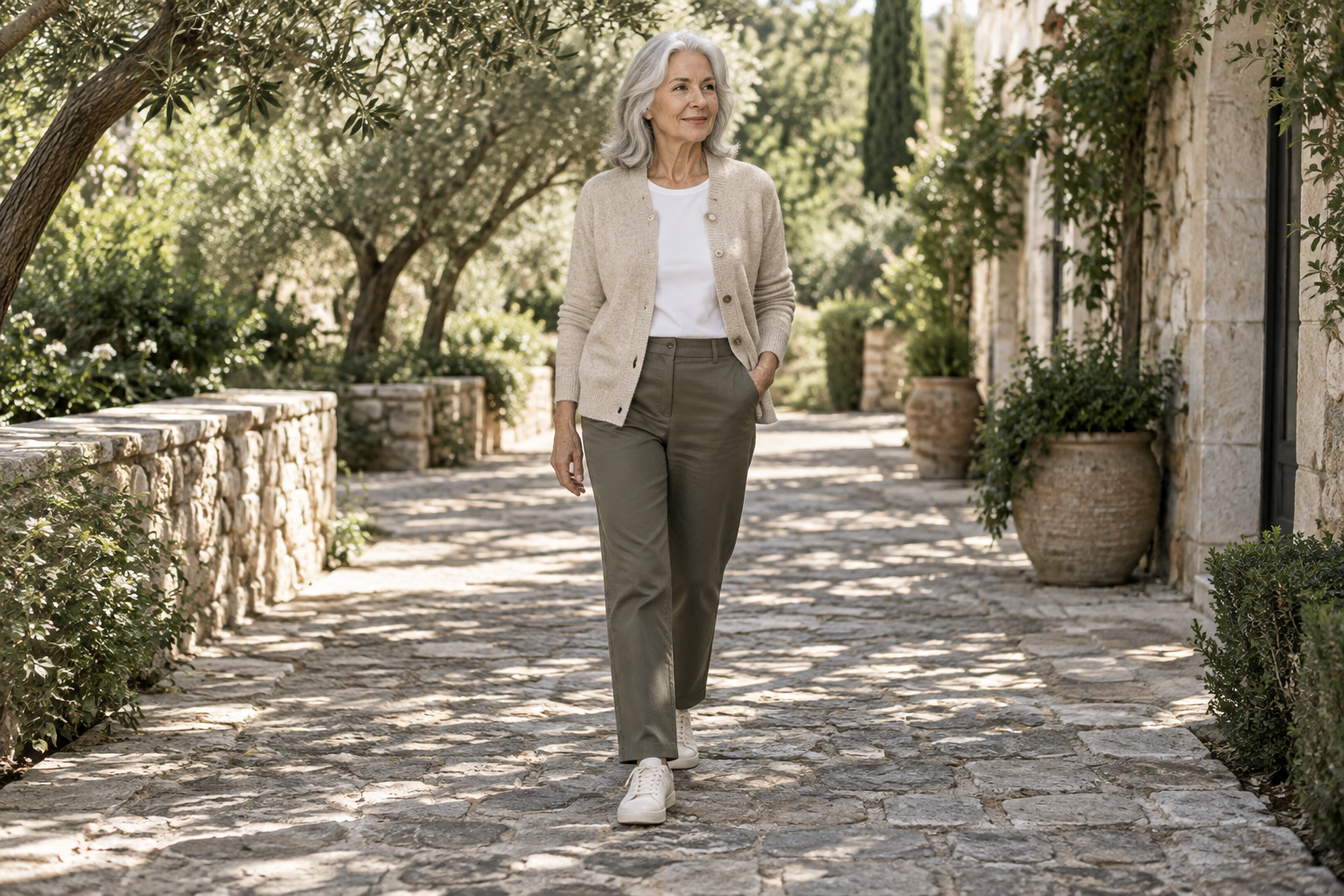
A long-sleeve fine-gauge knit, dark straight jeans and closed ballet-flat-style shoes. Weekend coverage that still looks deliberate at a cafe.
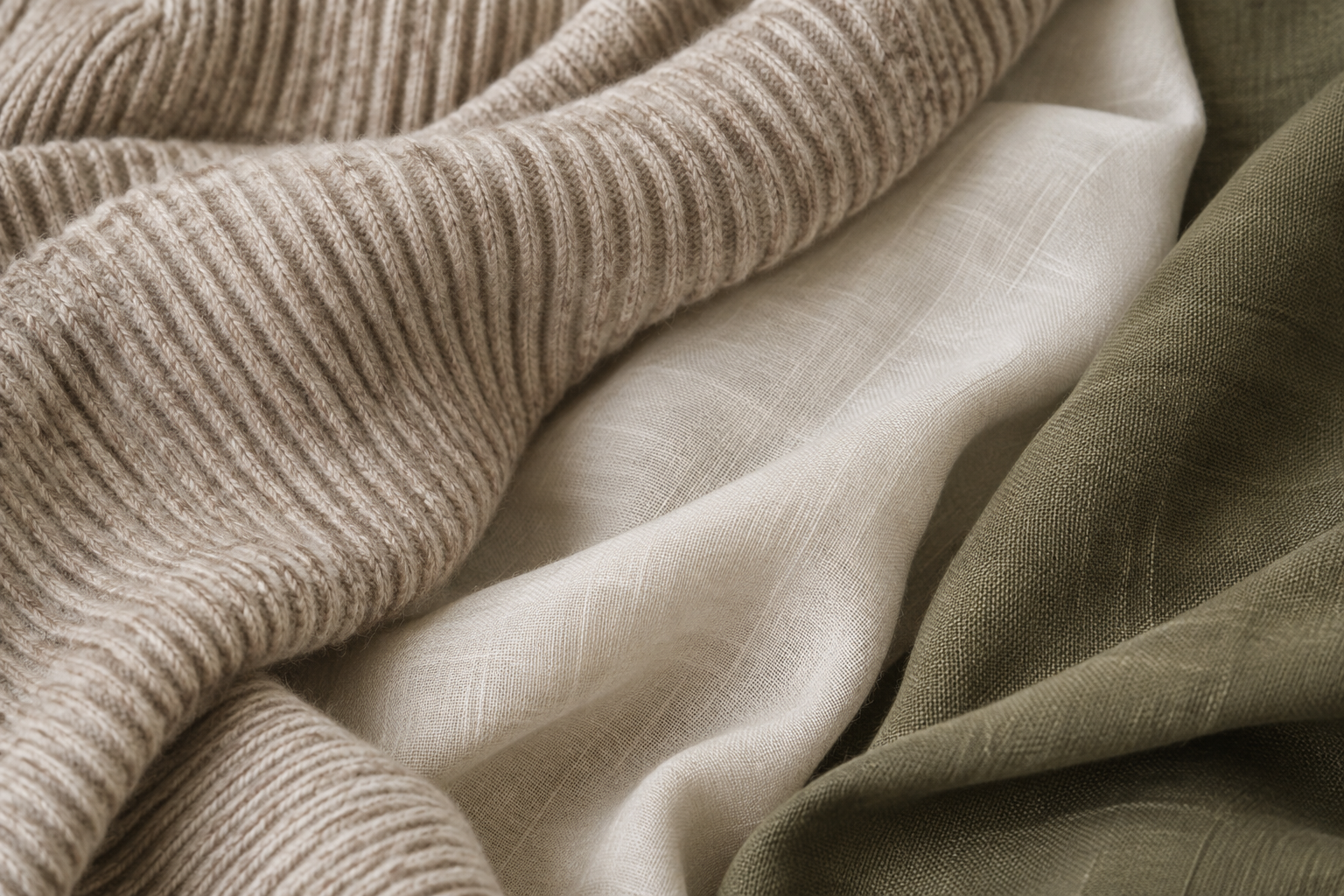
A high-neck fitted shell worn under a lower-neck or sleeveless dress — the single most useful modest layering trick. Thin, fitted, invisible under the outer layer.
What to Wear
European smart casual explained: why Italian casual style looks elevated, how French casual differs, plus a comparison table and a packing capsule.
What to Wear
What guests wear to Diwali, Eid and Lunar New Year: respectful traditional dress rules, festive colour choices, fusion outfits and the costume line.
What to Wear
Smart casual by industry: what the phrase means in tech, finance, law, creative, academia and hospitality, with a day-one safe outfit for each.