What to Wear
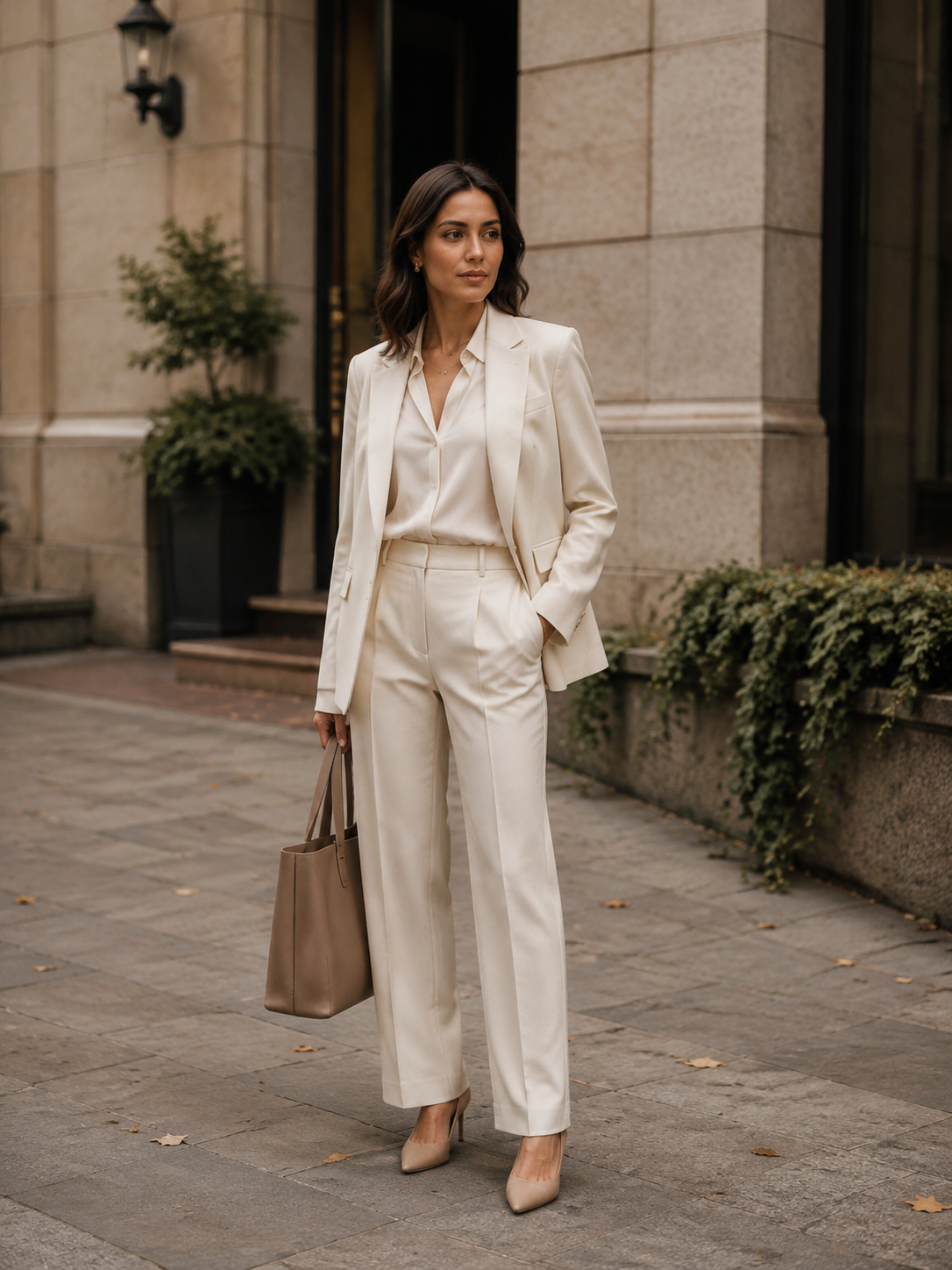
Modest Smart Casual Outfits: Covered, Comfortable, Current
Modest smart casual outfits that clear the dress code without the frump: the three-lever formula, a 12-piece core wardrobe, layering without bulk, and hot-weather options.
Occasion guide
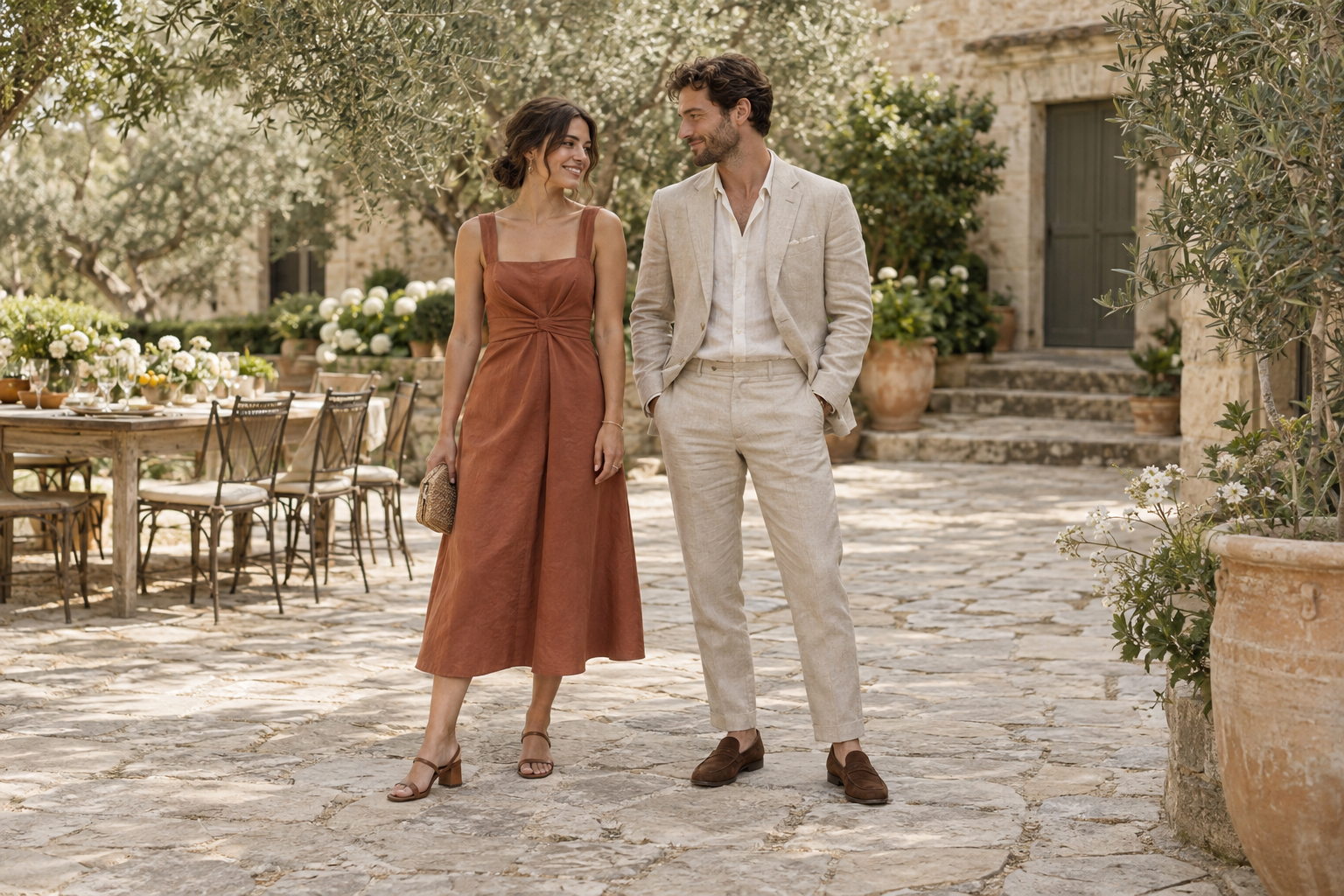
Invited to a cultural celebration and worried about getting it wrong? The honest answer: hosts worry less about your outfit than you do. Dress up a notch, bring festive colour, and know the two colour rules.
Begin hereInspiration
The anxious guest's question is never just what to wear — it is whether participation itself is welcome. It is, at every one of these festivals. The looks below are guest-appropriate builds that join in without costume.
Guests dress up one notch beyond whatever the invitation says. Most cultural celebrations treat casual as smarter than a Western casual, so the safe direction is always up: colourful and polished beats dark and safe. The details that never offend at any of these festivals are modest coverage, festive colour, and clean dressy footwear.
Decode the invitation the same way you would any vague dress code: festive attire means colour and effort, Indian attire optional means traditional dress is welcomed but not required, and family gathering still means smarter than you think. And the anxious-guest reassurance: hosts overwhelmingly welcome respectful participation. The real risk is under-effort, not over-participation.
Yes. Wearing a kurta, sari or cheongsam as respectful guest attire is welcomed at most celebrations. The conditions are fit, quality and seriousness — a well-made kurta from a proper retailer reads as respect, while novelty or costume-shop versions read as exactly what they are. What crosses the line: Halloween-adjacent pieces, sexualised styling of traditional dress, and joke accessories.
The middle path that always works is fusion dressing: a Western silhouette with traditional elements — a kurta-style tunic with trousers, a mandarin-collar shirt, embroidered details. And send the host one sentence ahead of time: is there a colour or dress custom I should follow? Hosts appreciate the question, and the answer ends the guessing.
Diwali is the festival of light, so guests wear bright and jewel tones — deep reds, golds, jewel greens, vibrant pinks. Black is the one colour to avoid. For men the easiest traditional entry is a kurta pyjama; an embroidered tunic with trousers is the fusion version. Sarees and anarkalis suit guests going fully traditional, while a sherwani is wedding-formal territory guests rarely need.
Practical notes matter because Diwali events run long and some gatherings involve sitting on the floor: wear fitted but movable clothing, and shoes that slip off easily. Indoor heat plus layered embroidery adds up — the same ventilation logic as the hot humid weather guide applies.
Eid gatherings range from mosque-and-family mornings to evening banquets, and the guest brief is the same across them: smart, modest, with white and light colours traditional and welcomed. Modesty norms apply to all guests, not just hosts — long sleeves and covered silhouettes for everyone, elevated fabrics for the evening. The shared wardrobe lives in the modest smart casual guide.
For first-timers at the mosque: women cover their heads where participating in prayer, everyone removes shoes, and modest silhouettes are the norm — the same preparation as the first-time church outfit guide, with shoes off instead of on. The two Eids, al-Fitr and al-Adha, barely change dress: the gathering type matters more than which Eid it is.
Red is the festival colour — it stands for luck — and guests wearing a red accent are joining in, whatever their background. The colours to avoid as dominant choices are white and black, which carry mourning associations in many East Asian traditions. Modern urban celebrations are relaxed about this, but a red accent costs nothing and reads as participation.
Guest builds: a mandarin or stand-collar shirt, a red accent piece over a neutral base, or a cheongsam or qipao for those going traditional — with fit and quality as the respect signal, same as everywhere else. Banquets are restaurant smart casual that errs formal, and the men's dinner outfit guide is the template. Regional cousins follow the same rules: Tết guests may wear ao dai, seollal guests hanbok, and the respect logic transfers unchanged.
| Do or don't | The rule | Why |
|---|---|---|
| Do | Dress up rather than down | Under-effort is the mistake hosts actually notice |
| Do | Accept offered traditional elements | An offered dupatta or accessory is an invitation to join in |
| Do | Match the host's modesty level | Modesty norms apply to guests at Eid gatherings especially |
| Don't | Wear black at Diwali or dominant white or black at Lunar New Year | Both colours carry mourning associations in context |
| Don't | Treat sacred garments as costume | Novelty versions turn respect into a joke |
| Don't | Ignore a stated dress request | If the invitation names a custom, that instruction wins |
The recovery line, for your nerves: if you arrive slightly underdressed or mismatched, nobody comments. The stakes are lower than your anxiety says — hosts are busy hosting.
What should I wear to a Diwali party if I am not Indian? Jewel tones or a fusion tunic with trousers, modest coverage, dressy shoes — or a well-made kurta, which hosts welcome.
Can non-Muslims wear hijab to Eid events? Welcome where you are participating in prayer at the mosque; otherwise optional — modest dress is the requirement, head covering is not.
Is it OK to wear red to Lunar New Year if I am not Chinese? Yes — red is the participation colour, and a red accent is the easiest way to join in respectfully.
What colors should you avoid at cultural celebrations? Black at Diwali, and white or black as dominant colours at Lunar New Year. Everything else is fair game.
Is a kurta as a guest cultural appropriation? No, when it passes the respect-and-quality test: proper fit, real retailer, serious styling. That is appreciation, and hosts read it as such.
6 looks to explore
A plain cotton kurta in deep teal with off-white pyjama-style trousers and leather sandals or loafers. Jewel-tone colour, modest coverage, comfortable for an evening of standing, sitting and buffet queues.
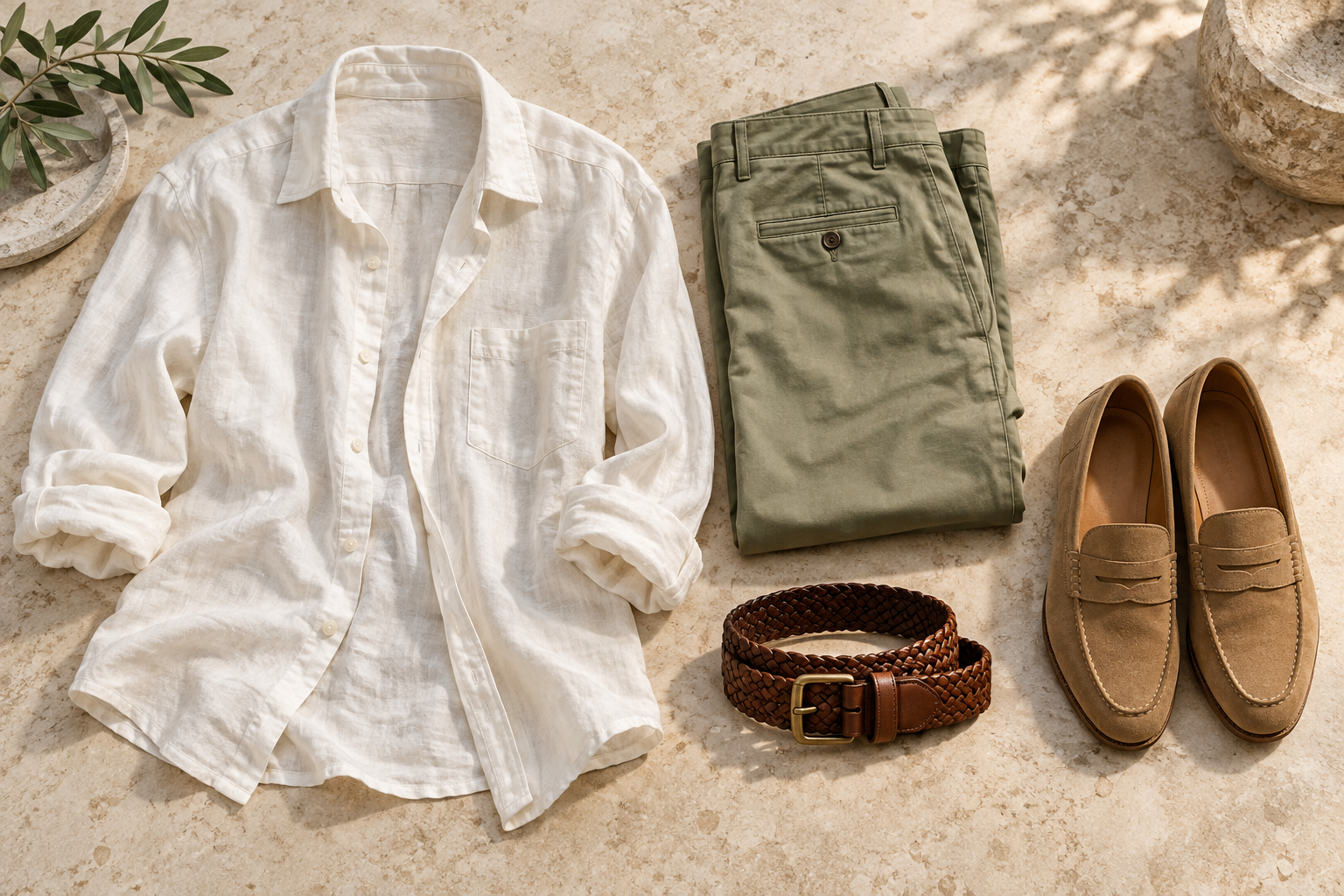
An embroidered kurta-style tunic over slim trousers, with clean white sneakers or flats. Western silhouette, traditional detail — the middle path that works at any of the three festivals.
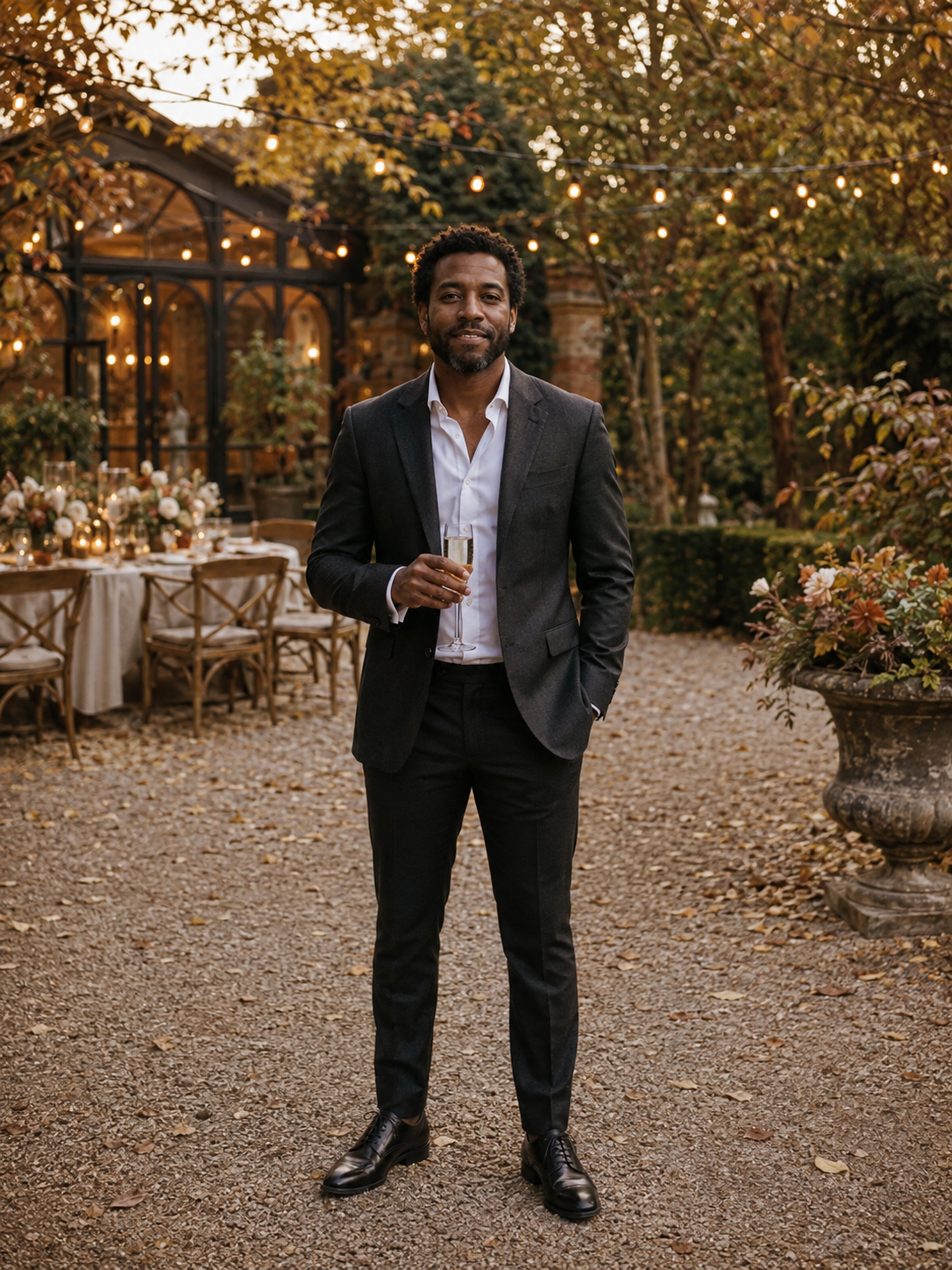
A white or pale blue long-sleeve shirt with cream tailored trousers and slip-on leather shoes for men; a midi or maxi dress in elevated fabric with sleeves for women. Smart, modest, light-coloured.
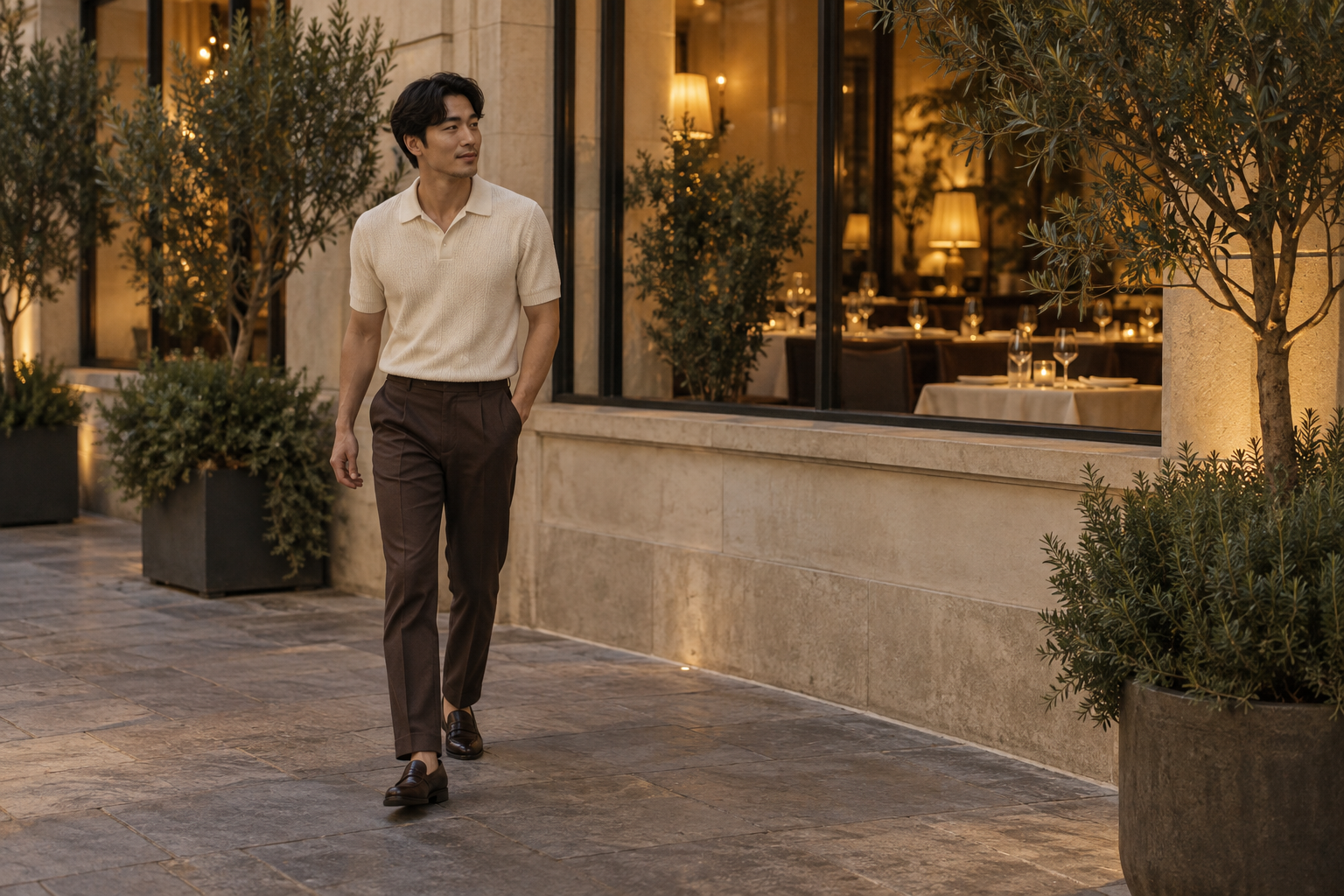
A mandarin-collar shirt in deep red with black tailored trousers and black leather loafers. Red is the participation colour; the neutral base keeps it restaurant-appropriate.
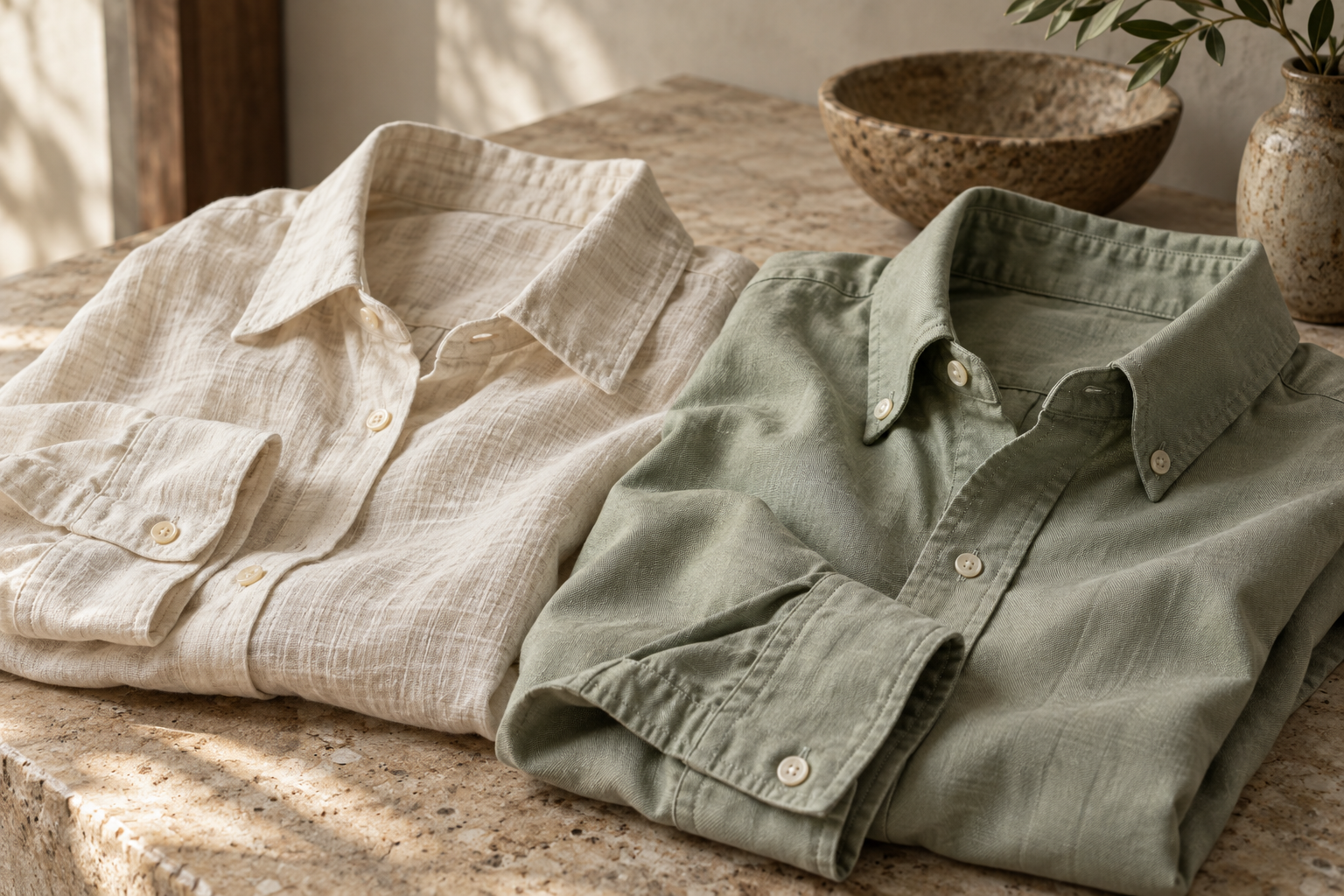
A navy mandarin-collar shirt with grey trousers and brown suede loafers. Reads smart casual anywhere, nods to the occasion without leaning on it — the safest plus-one outfit.
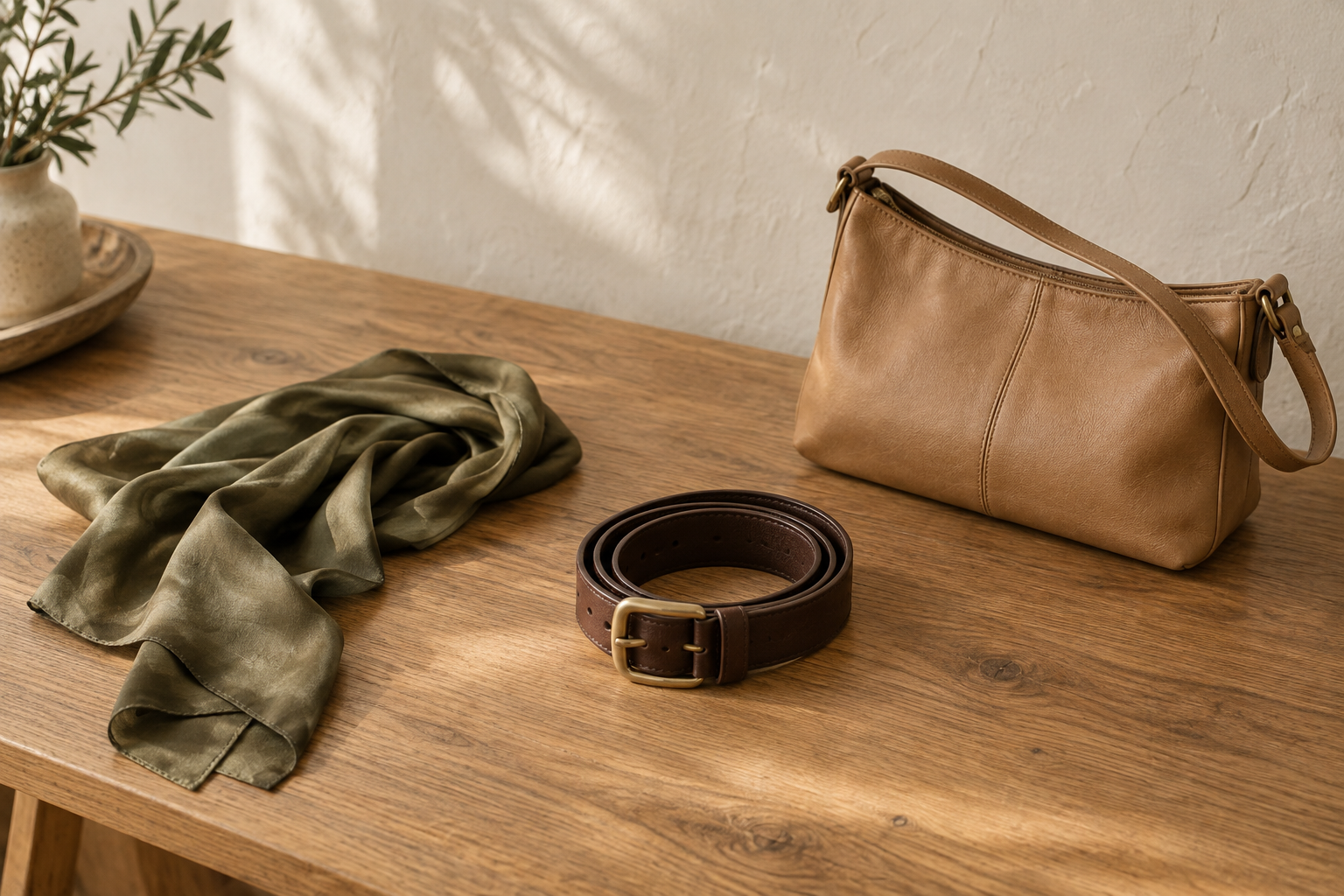
A longline tunic or knee-length top over wide trousers, with a scarf packed in a bag and socks with no holes. Everything slips off at the door and coverage holds when sitting on the floor.
What to Wear
Modest smart casual outfits that clear the dress code without the frump: the three-lever formula, a 12-piece core wardrobe, layering without bulk, and hot-weather options.
What to Wear
Smart casual by industry: what the phrase means in tech, finance, law, creative, academia and hospitality, with a day-one safe outfit for each.
What to Wear
How to word a dress code on an invitation: a three-part formula, copy-paste lines for every code, and a full wedding website FAQ example to adapt.