
What to Wear
Smart Casual vs Casual: Where the Line Actually Sits
Casual vs smart casual in one line: casual plus one deliberate upgrade. A garment-by-garment table, the two-question test, and the cheapest upgrade moves.
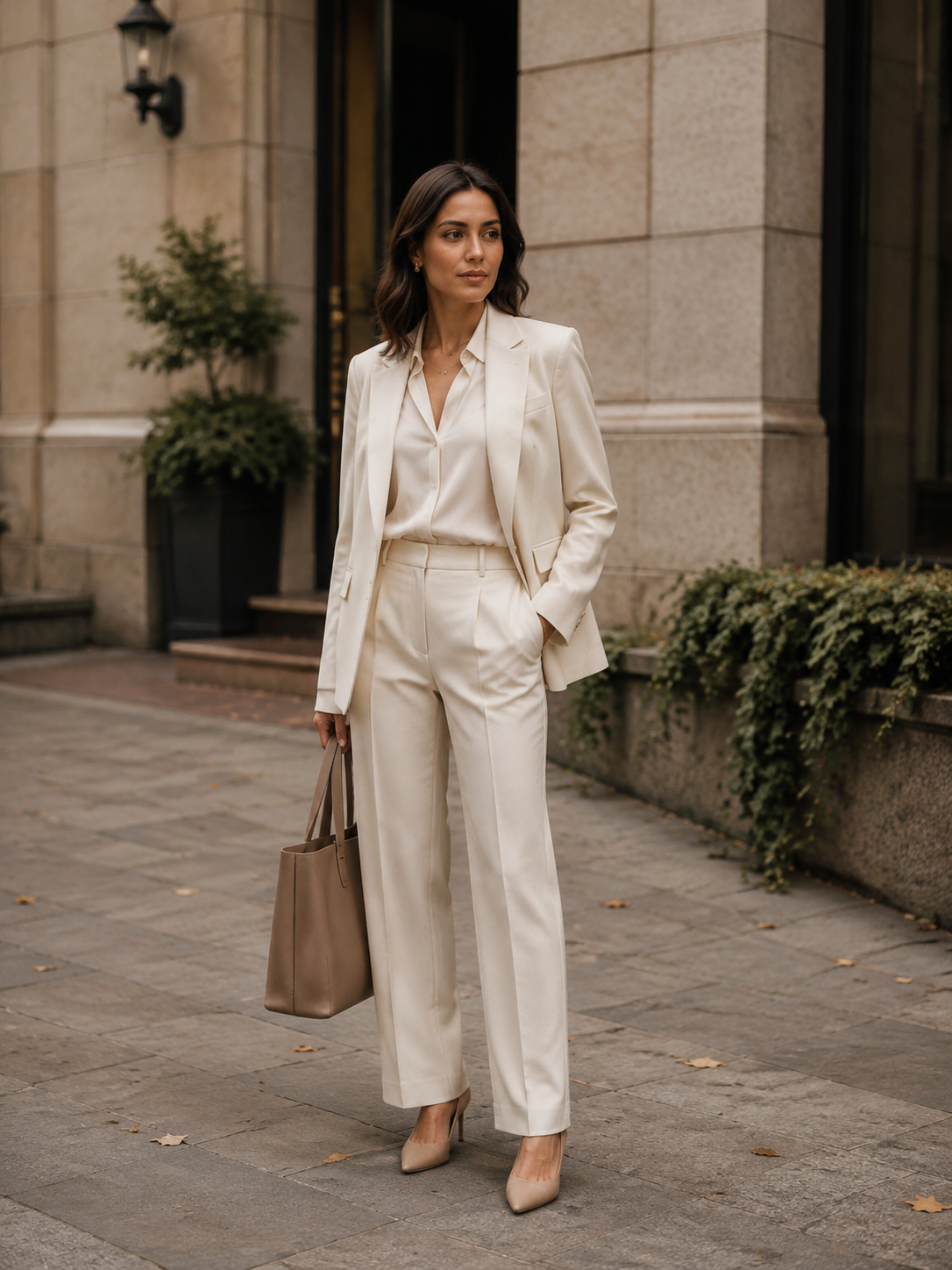
High-stakes dress codes
Visa interviews, court appearances and thesis defenses publish no dress code, yet everyone in the room reads your clothes anyway. These are the unwritten dress codes of high-stakes everyday life, and the safe move is the same for all three: dress one notch above what you expect the room to wear.
Begin hereDefinition / explainer
For a visa interview, court appearance or viva, the safe definition is smart rather than smart casual: structured layers, closed leather or clean formal shoes, and conservative colors. The asymmetry is the reason — overdressing at these events costs you nothing, while underdressing can be read as disrespect for the process itself. One outfit, built once, covers all three occasions.
Yes, if you upgrade it with structure. Consulates publish no code, but officers register presentation like anyone else: neat, conservative, nothing fussy or distracting. Take your normal smart casual formula and add the structured layer — a blazer or smart jacket — plus closed shoes, and you have cleared the floor. Skip hats, sunglasses indoors and anything novelty; the visa version of interview logic in the smart casual interview guide applies almost line for line.
The practicalities no dress-code page mentions: visa days mean long queues and security screening. Wear layers you can remove, shoes that slip off easily at the scanner, and carry documents in a neat folder or bag rather than stuffed pockets. Comfort failures read exactly like carelessness by hour three.
Treat court as stricter than smart casual: a suit or tailored dress is the default, and quiet, conservative clothing is the floor beneath it. If a suit is genuinely impossible, wear the smartest outfit you own — the blazer, sport coat and suit jacket comparison shows which structured layer gets you closest — and know that in most civil matters staff will not bar entry over clothing. Rules vary by jurisdiction and by court type, so check the published guidance on the court's own website for your date and location; some do list explicit prohibitions.
Avoid shorts, tank tops, flip-flops, hats, slogans and sunglasses on the universally safe principle, and keep jewellery minimal — your goal in that room is to be unremarkable and easy to take seriously.
Read the discipline first: humanities and formal faculties skew smarter, lab-based departments skew relaxed, and smart casual minus jeans is the safe middle. The formula is a blazer or structured cardigan, a collared shirt or blouse, tailored trousers, and genuinely comfortable shoes — a viva runs two to four hours of sitting, standing and annotating. The comfort caveat is the rule: nothing brand new, nothing stiff, nothing that needs adjusting, because fidgeting through your own defense is a self-inflicted wound.
The build-once kit: dark unstructured blazer, two plain shirts in white or blue, dark tailored trousers, dark leather shoes or formal flats, plain belt. The swaps do the occasion work — the visa adds a folder-and-document bag, court adds a tie or scarf and the darkest palette you own, the viva lets the jacket come off and the comfort shoes stay on. If budget allows only one purchase, it is the blazer; everything else can come from an honest wardrobe audit using the closet-first wardrobe audit method.
Is smart casual okay for a visa interview? Yes, if upgraded with a structured layer and closed shoes — that single change moves it to the smart floor this page defines.
Do I have to wear a suit to court? Default to one if you own it; the smartest outfit you own is the accepted fallback in most civil matters, with the court's own published guidance as the final word.
What should a woman wear to a viva? A blazer or structured cardigan, a collared blouse, tailored trousers or a knee-or-midi dress, and comfortable formal flats — the same two-to-four-hour comfort rule applies.
What if I can't afford formal clothes? Build the minimum-viable outfit from what you own using the audit method, and fill only the blazer gap secondhand — a plain dark blazer is the easiest item to find secondhand and the one that does the most work.
For a visa interview, court appearance or PhD viva, wear smart rather than smart casual: a structured layer such as a blazer, a collared shirt or blouse, dark tailored trousers or a tailored dress, and closed leather or formal shoes in conservative colors. Court runs one notch stricter, where a suit or tailored dress is the default. Overdressing carries no penalty at these events; underdressing can be read as disrespect for the process.
What to Wear
Casual vs smart casual in one line: casual plus one deliberate upgrade. A garment-by-garment table, the two-question test, and the cheapest upgrade moves.
What to Wear
How to ask the dress code without being rude: copy-paste scripts by channel, who to ask first, timing rules, and what to wear when you cannot ask.
What to Wear
What to wear presenting a webinar: the full-frame rule, camera-safe colours, the rehearsal checklist, and the half-dressed problem solved.