The seasonal mini-audit
Thirty minutes at each season change: check the incoming season's items for fit, condition and repair needs before they rotate into reach. Small, regular, and it prevents the two-year pile-up.
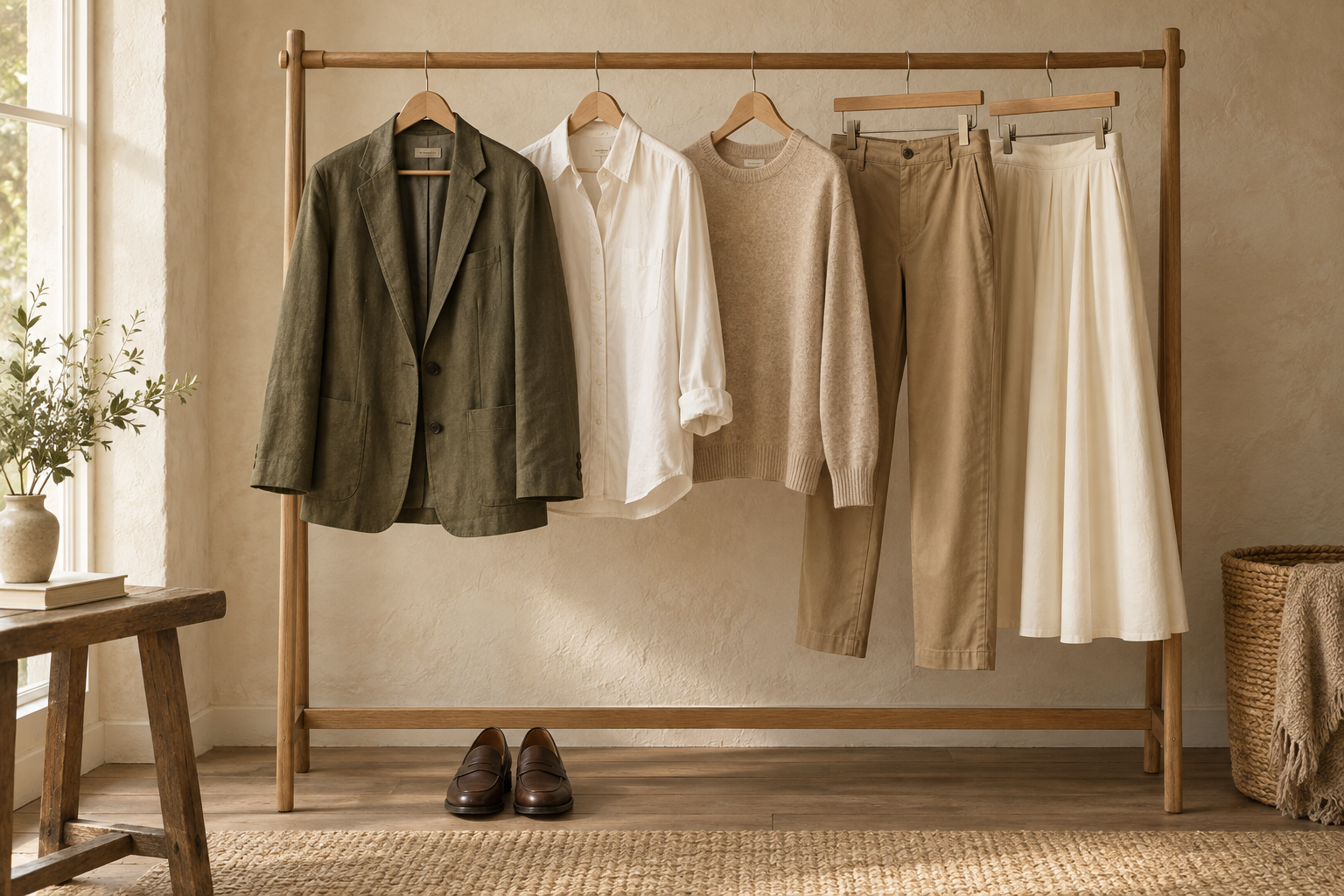
Wardrobe method
A closet can be full and still have nothing that works together. The wardrobe audit fixes that with four piles and one standard: smart casual readiness, judged on fit, condition and pairing width — not sentiment.
Begin hereOccasion advice
This wardrobe declutter checklist replaces does-it-spark-joy with a decision process: every item goes into keep, alter, relocate or exit, and the standard each one is judged against is smart casual readiness. A working wardrobe audits in one session, and what you finish with is a shorter closet, a repair pile, and a gap list that stops impulse buying.
The whole method fits on one mental checklist: empty the closet, then judge every item into four piles — keep, alter, relocate or exit — using the criteria below. Nothing gets a maybe, and nothing goes back on the rail unjudged.
The audit is the only time every garment gets worn, so borderline items go on the body. Run the same five checks per piece — shoulder, waist, length, rise, drape — and the fit check guide walks through each one in detail.
Photograph the keepers that fit well from the front and side. That personal fit record is the most useful thing the audit produces, because it makes every future online purchase a comparison instead of a guess. Where the fit is fixable, the tailoring costs guide tells you which alterations are worth it and which are not.
| Defect | Verdict | The fix | When to exit |
|---|---|---|---|
| Pilling | Fix | Fabric defuzzer, light passes | Only if the yarn is thinning underneath |
| Loose buttons, fallen hems | Fix | Ten minutes of sewing or a tailor | Never a reason to exit alone |
| Stretched collar or cuffs | Judge | Sometimes presses back on knits | When it stays stretched after washing |
| Worn shoe soles | Judge | Resole on good welted shoes | When the repair approaches replacement cost |
| Shrinkage or moth holes | Exit usually | Specialist repair for valuable wool | Most high-street pieces are not worth it |
With the keep pile on the rail, tally each item's pairings and count the contexts covered across work, weekend and events. Orphans and missing bridge pieces surface immediately — the wardrobe interchangeability explainer does the full math, and the one wardrobe, three lives capsule shows what full coverage looks like.
The exit pile splits three ways. Good-condition branded pieces sell — photograph flat, list the measurements from your fit record, and let brand, condition and demand pick the platform. Wearable unbranded pieces donate directly, and true end-of-life fabric goes to textile recycling, not the bin. The wardrobe from scratch checklist takes over if the rebuild is large.
How do you declutter your wardrobe? Empty it, then judge every item into four piles — keep, alter, relocate, exit — against fit, condition, pairing width and register.
What should you get rid of from your closet? Anything unworn for two years that also fails a fit or condition check, plus the someday sizes and the occasion maybes that never come.
Should you sell or donate old clothes? Sell good-condition branded pieces, donate the rest that is wearable, and recycle true end-of-life fabric.
How often should you audit your wardrobe? A full audit once a year, with a thirty-minute mini-audit at each season change.
BEFORE YOU CHOOSE
A navy blazer with dated buttons but a good shoulder: fits now, pairs with trousers, chinos and jeans — four pairings confirmed by trying it over each. It stays, and the tailoring criteria decide whether the buttons are worth changing.
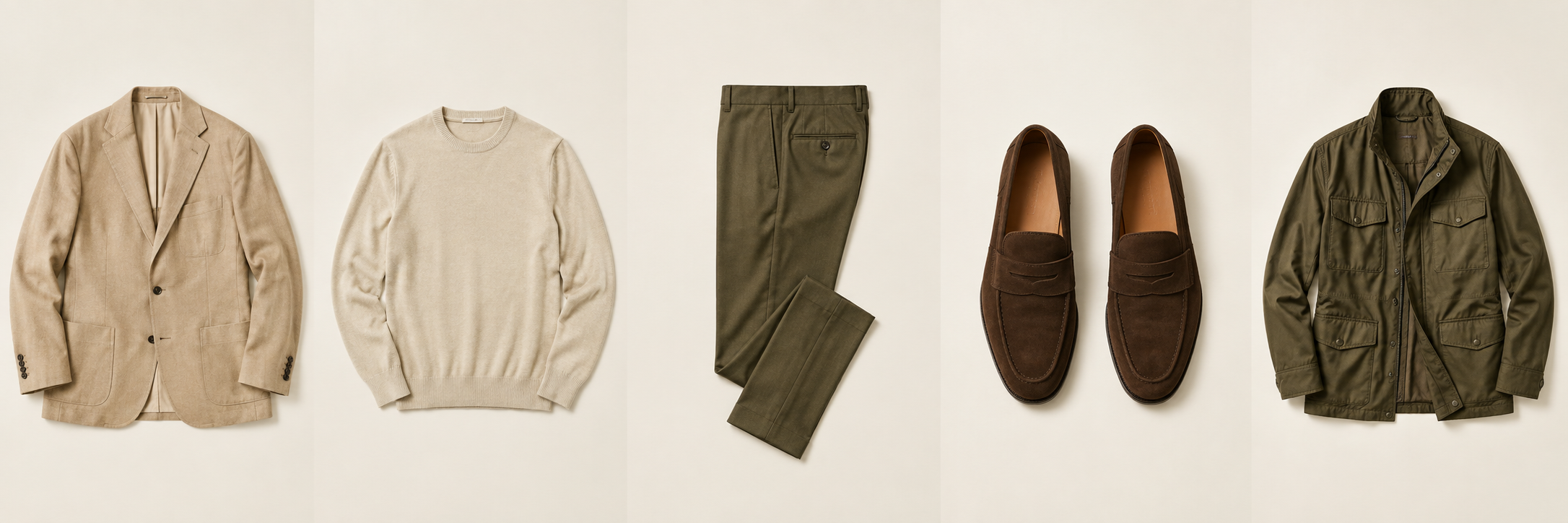
A faded band tee and two pairs of weekend joggers fail the smart casual register but serve Saturday mornings perfectly. They relocate to weekend-only storage instead of exiting — the pile that keeps the audit honest.
Wool trousers with good fabric and a broken hem go to alteration; the same trousers with a worn seat do not. Good fabric plus fixable fit alters; good fabric plus structural failure exits.
Thirty minutes at each season change: check the incoming season's items for fit, condition and repair needs before they rotate into reach. Small, regular, and it prevents the two-year pile-up.
If the keep pile comes out thin, that is a finding, not a failure — the starter-checklist rebuild shows exactly which pieces fill the gap list in order.
Run with a tally sheet: after the keep pile, count each item's pairings and note the orphans. The interchangeability math then tells you which one new piece unlocks the most outfits.
Same four piles, once a year, and it gets shorter every time because the maintenance cycle keeps the closet closer to standard.
What to Wear
A work weekend capsule that covers events too: the anchor-formal rule, the five-question piece test, bridge pieces and day-to-night transition mechanics.
What to Wear
The smart casual color combinations that never fail: neutral base, supporting neutral, one accent — plus a decision table and the combos to avoid.
What to Wear
Colorful work outfits without the worry: the three-dose colour scale, the one-piece statement method, and which colours read senior at the office.