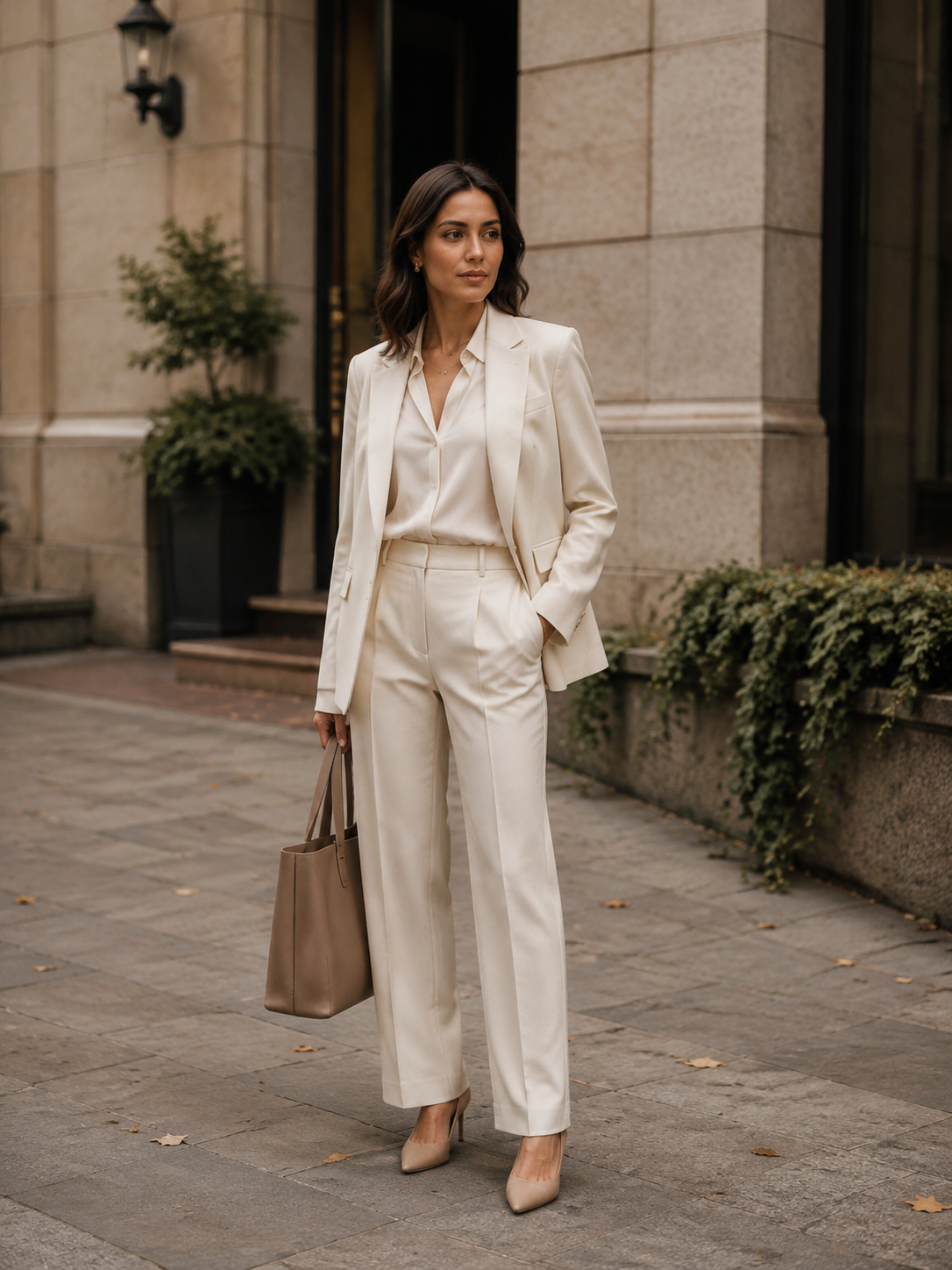
Smart Casual vs Casual: Where the Line Actually Sits
Smart casual is casual with one deliberate upgrade — a structured piece, better fit, better condition. Audit your outfit garment by garment with the table and the two-question test.
Run the audit top to bottom: collar, structure, fit, condition, shoes — the first garment that fails the upgrade test is the one to fix. The table below gives the pass mark for each.
The upgrade moves: casual to smart casual in three swaps
You rarely need new clothes — you need three deliberate swaps. Each one moves the same body of an outfit up a notch, and together they cover the whole difference between the codes.
T-shirt to polo or oxford — the collar is the cheapest structure you can buy.
Trainers to loafers or clean minimal leather sneakers — the shoe decides how the trousers read.
Hoodie to unstructured blazer or chore jacket — same job, structured shoulders.
Underneath the swaps sits a fit-and-condition floor: nothing hole-y, nothing baggy, shoes clean. These grooming-level upgrades cost nothing and do more than most purchases. If you do need to buy, the full upgrade is usually two or three items — see the men's staples checklist for the shortlist.
Where casual is actually fine — do not over-fix
Weekends, errands, flights and casual workplaces with no stated code do not need smart casual. The anxiety spiral — upgrading everything just in case — is the enemy, not your current wardrobe.
Weekend casual and work casual are the same body at different bars: the hoodie is correct on Saturday and wrong at the Monday meeting. One context carries a hidden bar — family events with photos. Default up when a camera will be involved.
The five-point self-audit
Fit — nothing bags below the shoulder or pinches at the button.
Condition — no holes, no fraying, no heavy fading, shoes cleaned.
One structured element — collar, jacket or leather shoe, at minimum.
Footwear — sneakers only if clean, minimal and leather; otherwise loafers or boots.
Grooming — pressed, lint-free, deliberate.
Three instant fails: sportswear, visible logos, flip-flops. Three fastest fixes: add a layer, change the shoes, tuck or roll with intent. If your question is really about the other direction, see smart casual versus smart — the dressier neighbour on the ladder.
Quick questions: how casual is casual?
Is a t-shirt smart casual? Only under a jacket, and only plain, fitted and in good condition. On its own it stays casual.
Are jeans smart casual or casual? Dark, straight and undistressed jeans are smart casual; light washes, rips and a baggy fit keep them casual, whatever you wear on top.
Are sneakers smart casual? Clean, minimal leather sneakers pass; running shoes and beaten canvas do not, at any price.
Is smart casual the same as casual? No — the difference is fit, condition and one structured element. That is the entire gap, and it is closable in one outfit.
The takeaway
Audit your closet against the five points above and you will find most of it is one swap away from smart casual. For the wider ladder and every neighbouring code, start from the dress codes hub.
THE SHORT ANSWER
Choose for the day ahead.
Smart casual is casual plus one deliberate upgrade. Casual is whatever is comfortable and presentable; smart casual is casual garments upgraded by fit, fabric and at least one structured element — a collar, a jacket, a leather shoe. The two-question test: is anything here structured, and does everything fit well? Two yeses and you are smart casual.
Side by side.
The differences that matter
Garment
Casual
Smart casual
T-shirts
Yes, any clean tee
Plain fitted tee only under a jacket or structured shirt
Shirts
Any shirt or hoodie
Oxford, polo or knit shirt — collar does the work
Jeans
Any wash and condition
Dark, straight and undistressed only
Shorts
Yes, most styles
Tailored Bermuda-length shorts, warmer months only
Sneakers
Any trainer
Clean, minimal, leather or leather-look
Leggings / joggers
Yes
No — swap for wide trousers or a casual dress
Flats and sandals
Yes
Polished flats or loafers; neat sandals in summer
Outerwear
Hoodie, bomber, anything
Unstructured blazer, chore jacket or knit
What should guide your choice?
Fit: everything skims, nothing bags or strains
Condition: no holes, no heavy fading, clean shoes
Structure: at least one collar, jacket or leather shoe
Treat smart casual as the floor and casual as the ceiling. Dark jeans or chinos, a collared shirt or fitted tee under a jacket, clean leather sneakers or loafers. You want to look like you tried without looking like you tried harder than the venue.
A casual workplace with client days
Many offices that say casual really mean casual on normal days and smart casual whenever outsiders visit. Read the calendar: client meetings, interviews and presentations shift the bar up. Keep a blazer and proper shoes at the office so the upgrade costs you nothing on the day.
A restaurant that says casual
Venues often write casual but enforce no-sportswear rules at the door — the wording and the venue are different things. When a place takes bookings and pours wine at those prices, translate casual as no gym clothes, no flip-flops, and you will clear the real bar. Venue-by-venue detail lives in the main smart casual guide.
What to wear to a visa interview, court or PhD viva: the one-notch-up rule, one outfit covering all three, and the details these rooms read as seriousness.