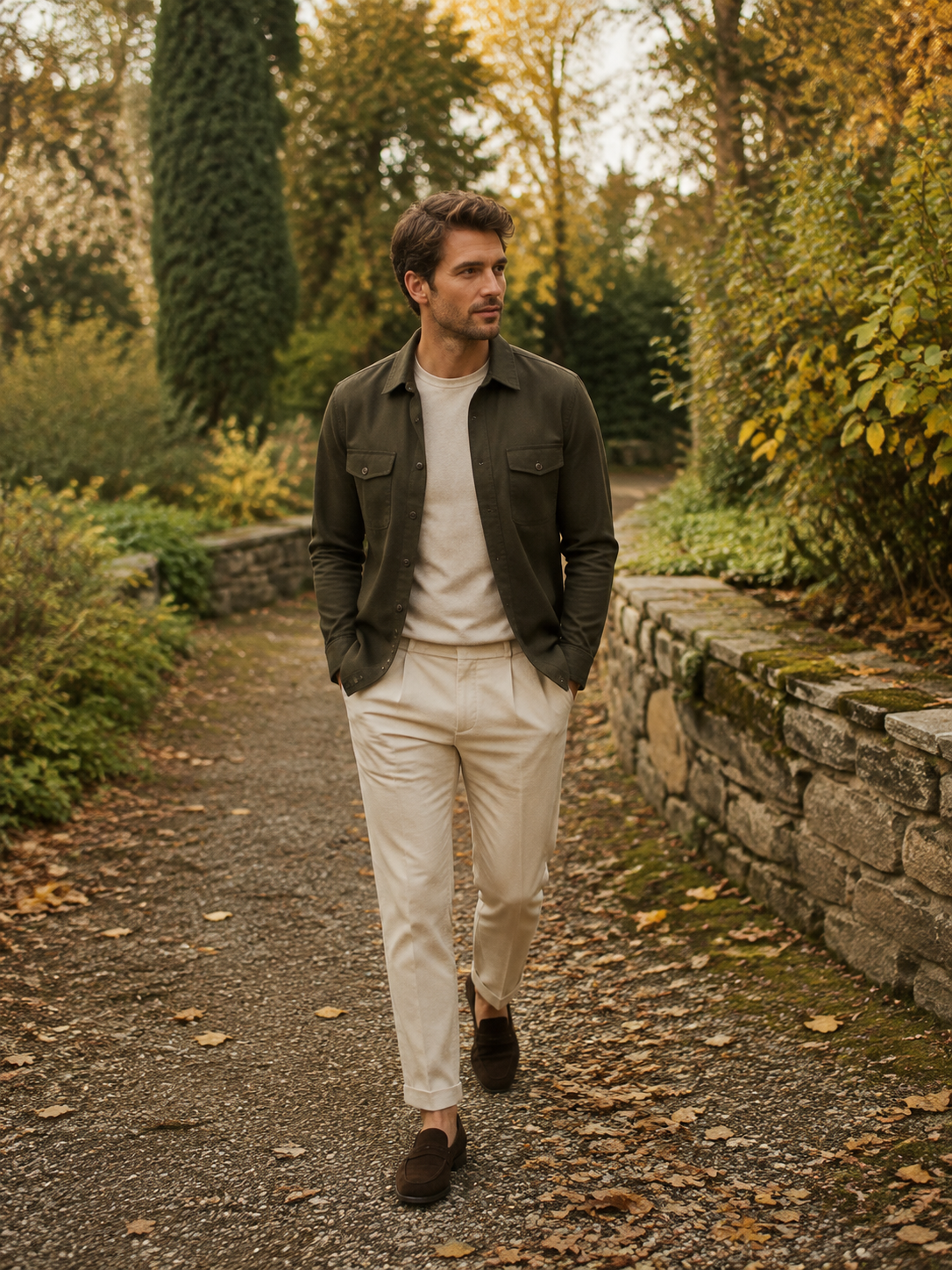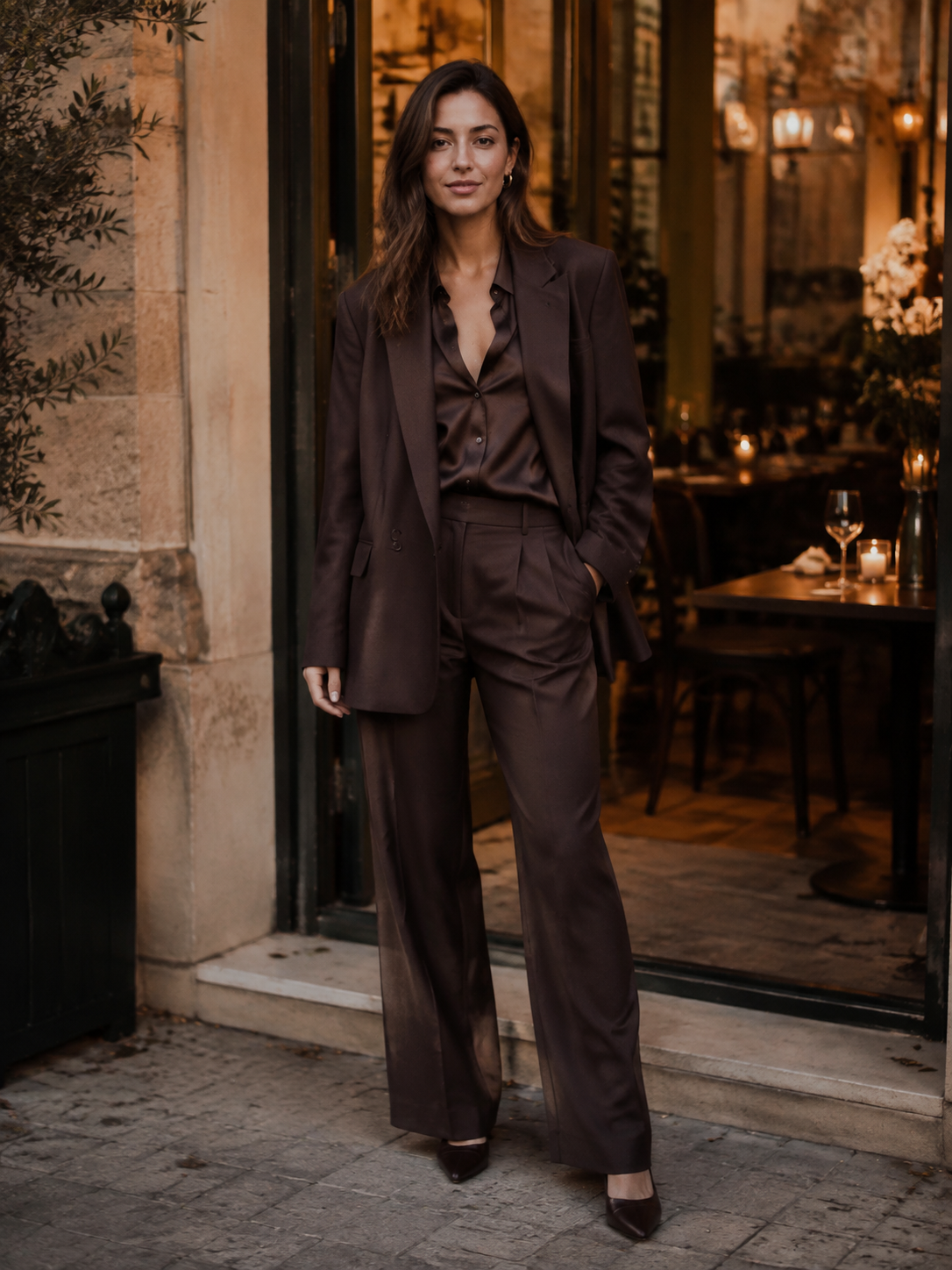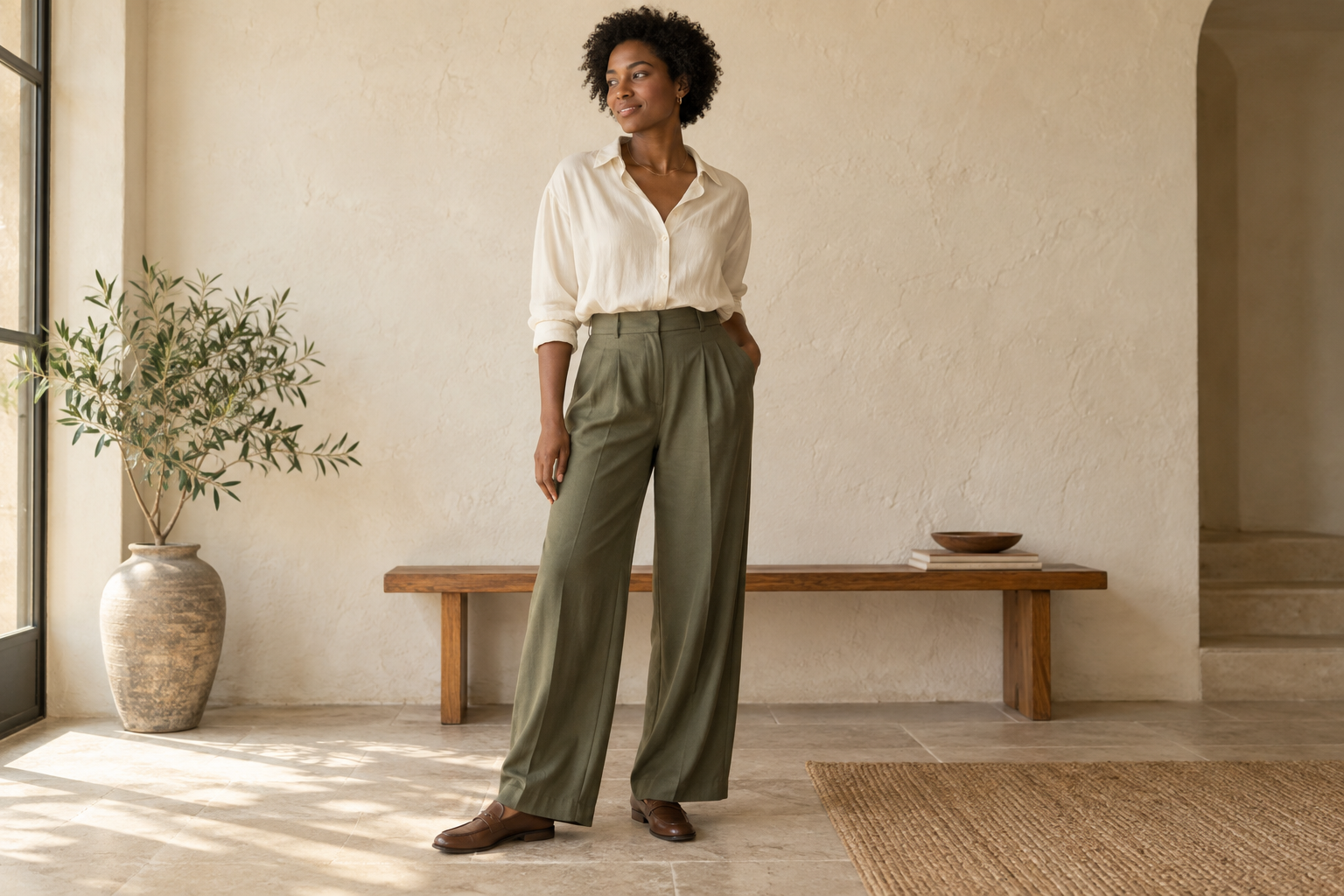
Oversized fashion coverage in 2026 offers styling ideas, not a requirement to replace fitted clothes. To try the look, change one piece in an outfit you already own and check movement, hem clearance and the outline you prefer. The practical question is whether the extra volume works for your day, not whether a trend report calls it suitable for everyone.
01 / THE DEVELOPMENT
The idea in focus.
02 / OUR INTERPRETATION
What it means in practice.
Read together, the coverage describes a pendulum, not a rule. Volume follows the skinny years the way slimness once followed the wide ones, and most people will meet it in one garment — a wide trouser, a relaxed blazer — rather than a whole wardrobe. The practical reading is to treat 2026's oversized silhouette as a fitting problem with published answers: correct shoulder, deliberate hem, one voluminous piece at a time. Buy it that way and the trend outlives its headlines; buy a size up and it never fit in the first place.
Oversized dressing is not sizing up. It is a designed shape with its own set of measurements — and when you fake it with a bigger size, the shoulders and the hems keep the receipts.
What the 2026 reporting actually says
Three widely read outlets documented volume this year, and each documents a different thing: an editor shopping list, an argument about flattery, and a runway catalogue. Checking them side by side separates what was reported from what gets assumed.
| Source | Dated evidence | Claim not supported by it |
|---|---|---|
| Vogue editors' picks (30 Jan 2026) | Balloon pant named among spring pieces; “go big with proportions” | That oversized suits every reader or that most people bought it |
| The Times feature (2026) | An opinionated case that baggy dressing flatters at any age | A measurement rule; “flattering” remains the writer's judgement |
| WWD spring 2026 gallery | Soft tailoring across Milan and Paris shows (Hermès, Prada, Lemaire, Zegna and others) | Runway selection equals street adoption |
Where the volume stops working
Volume earns its keep through length, and length is exactly what a wardrobe punishes. Two failure points do most of the damage: the hem of a wide trouser and the shoulder of an oversized jacket.
- Hems: trousers cut wide and long pool over the shoe, fray at the hem within a season, and catch on stairs and bike wheels. A hem that breaks cleanly on a straight leg can look like a mistake on a wide one.
- Shoulders: a relaxed body is comfortable, but an oversized shoulder line is the one part of a jacket that cannot be altered smaller, because the sleeve is attached where the shoulder ends.
- Rise: full-cut trousers need the right rise to stay up without a belt crushing the silhouette. Collapsing fabric at the waist undoes the look in an afternoon of sitting.
Oversized means buying your usual size one or two sizes up.
The 2026 pieces are designed shapes with their own measurements. Extra sizing lands in the shoulders and armholes, where it cannot be altered out, while the intended drape is lost.
How to take the shape without the penalties
The workable version of the trend keeps one oversized element per outfit. Everything else in the outfit stays at its usual fit so the volume reads as a choice.
Pick the one volume piece
Wide trousers or a relaxed blazer — not both. Balance a full trouser with a defined top half, or a relaxed blazer over slim lines.
Buy for the shoulder you have
If you buy the jacket, buy it in your normal size and take the ease everywhere else. The shoulder cannot be tailored smaller later.
Budget the hem from the start
Most wide trousers need a slight break or a deliberate crop. Put the tailor bill in the price comparison before you buy.
Match the shoe to the volume
A shoe with some visual weight keeps the leg in proportion; a very slim sole under a full trouser makes the leg look bigger, not the shoe finer.
Check the rise
A low rise needs a belt, and a belt cinched to hold volume up flattens the silhouette you paid for.
Trial it with clothes you already own
You can test the silhouette before spending anything: borrow volume from the loosest pieces in your wardrobe and change one variable at a time. Wear the trial outfit through a normal day and judge it on the checks below, not in a mirror at rest.
Run each check in the trial outfit; any failure tells you which piece to adjust or skip.
- Shoulder movement: reach forward, cross your arms and carry a bag — a borrowed jacket that resists any of these has the wrong shoulder.
- Seated bulk: sit for a meal or a commute and check whether excess waist fabric collapses or the belt has to work.
- Hem clearance: walk stairs and check the hem does not pool under the heel or catch underfoot.
- Outline check: photograph yourself standing and walking — the shape you prefer in motion is the one to keep.
Retaining your current wardrobe is a valid outcome
The honest reading of 2026's coverage is that volume is an option being marketed, not a correction your wardrobe owes. Fitted clothes that move well and hem cleanly remain correct whatever the headlines say.
Keep what you own if…
- your current pieces pass the movement and hem checks comfortably
- no single oversized garment survives the trial on your terms
- your budget is better spent on hemming or shoe repairs than on a shape you may not keep
Try a reversible change if…
- one borrowed piece passed every check and you enjoyed wearing it
- you can add volume through a loose shirt or unstructured blazer rather than new tailoring
- a wide trouser hemmed locally costs less than a full trend purchase
FROM THE STORY TO YOUR WARDROBE