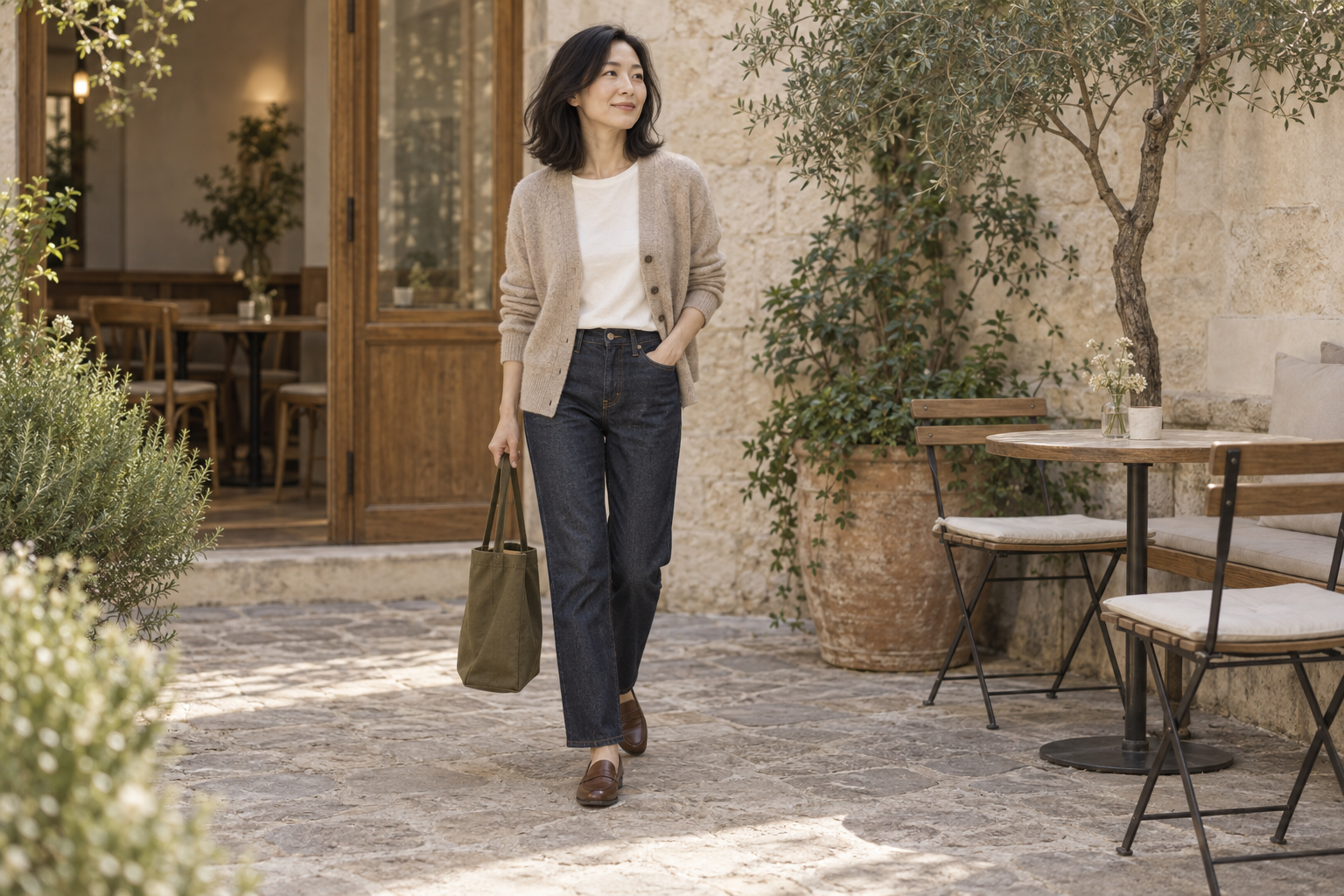
What to Wear
Merino Wool Benefits: Why It's the Smart Casual Knit
Merino wool benefits explained plainly: no itch, real temperature control, less odor, travel-friendly wrinkles, plus summer rules, downsides and care.
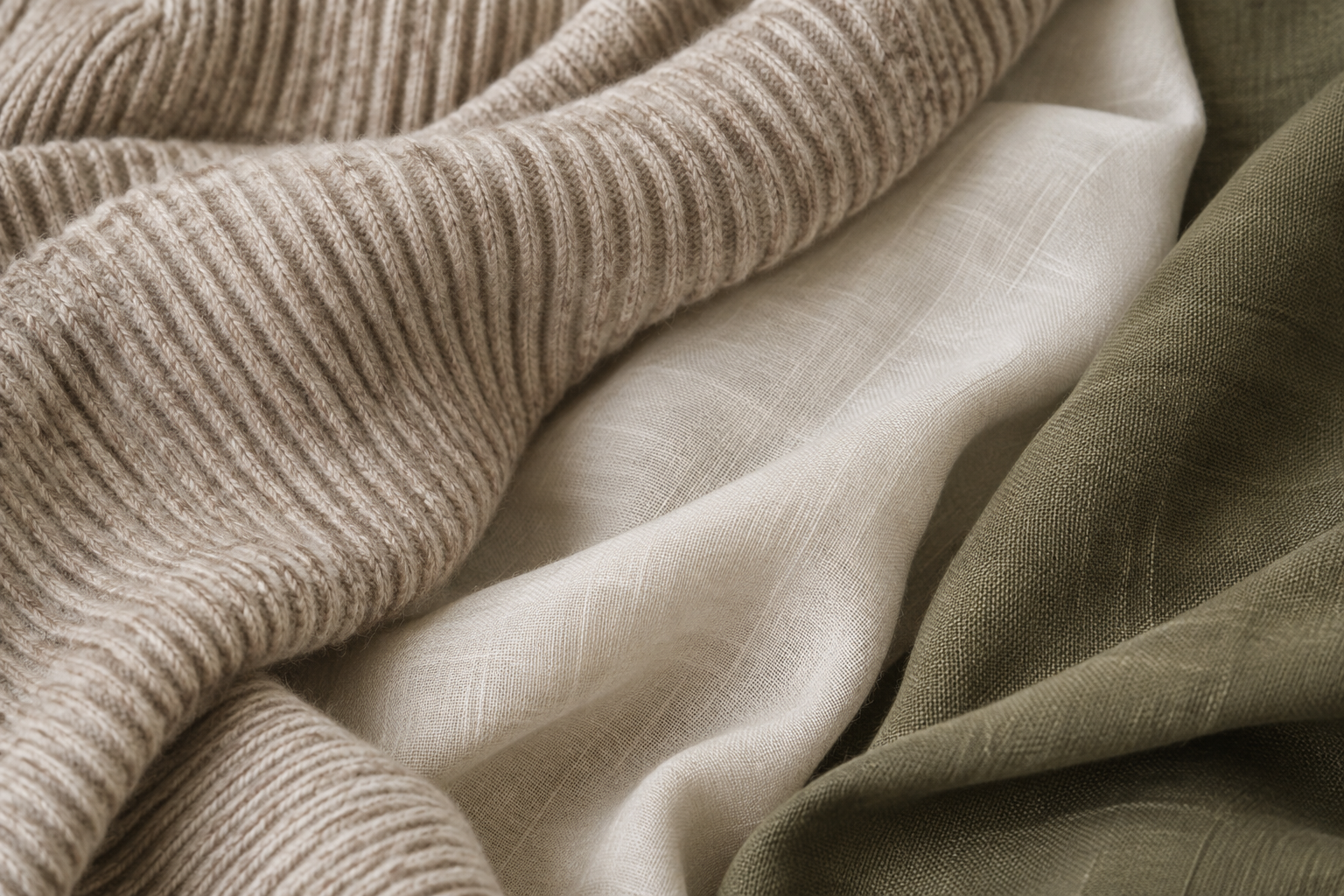
Fabric pillar
At the rack, the question is never 'is wool nice' — it is whether this specific fabric will look right and survive your day. This page answers it with a three-tier ranking, the four visual signals that set formality, and thirty-second tests you can run in store or on a product page.
Begin hereInspiration
Smart casual fabrics sort into three tiers: always smart (worsted wool, merino, oxford cotton, quality linen blends), situationally smart (flannel, chambray, dark denim, cashmere), and usually too casual or too shiny (jersey, satin-finish polyester, athletic synthetics). The one rule underneath all of it: matte natural fibres read more expensive than shiny synthetics at any price point.
| Tier | Fabrics | Where they work |
|---|---|---|
| Always smart | Worsted wool, merino, oxford cotton, quality linen blends | Anything: office, weddings as guest, dinners |
| Situationally smart | Flannel, chambray, dark denim, cashmere | Casual-leaning offices, weekends, cold-weather events |
| Usually too casual or shiny | Jersey, satin-finish polyester, athletic synthetics | Gym, sofa, and very little else |
Four visual signals set formality before anyone processes the cut. Drape: fabric that falls in clean lines reads structured; fabric that clings reads casual. Sheen: matte reads expensive, shine reads cheap at almost any price. Weight: heavier fabric holds a shape, light fabric follows the body. Wrinkle behaviour: crease-recovery reads tailored; a fabric that holds a crush reads relaxed.
| Signal | Reads formal | Reads casual | Smart casual sweet spot |
|---|---|---|---|
| Drape | Structured, holds line | Clingy, follows body | Clean fall with slight softness |
| Sheen | Subtle lustre | High shine or flat gym-matte | Fully matte |
| Weight | Heavy, structured | Featherweight, clingy | Mid-weight with body |
| Wrinkles | Crisp, resists creasing | Crushed, permanently rumpled look | Recovers, or wrinkles that read intentional |
Worsted wool is the workhorse for blazers and trousers — smooth, matte, and it drapes the way synthetic suits imitate. Flannel and tweed are the same fibre with texture, made for cooler months. Merino deserves its own sentence: it is the year-round knit, and a fine merino works even in summer evenings. Cost-wise, wool runs more than cotton at retail, and what entry-level buyers should expect is a clean, serviceable cloth that will not drape like the expensive stuff — buy it for trousers and knits first, where the payoff is biggest. The care side is in the wool and merino care guide, and the fibre deep-dive in the merino wool guide.
Poplin is crisp and most formal, twill and oxford are textured and forgiving, flannel is the seasonal winter weave — the full breakdown is in the cotton weights guide. Chinos, oxford shirts and unstructured cotton jackets are the smart casual core, and all three are budget-friendly without looking it. Cotton's limits are heat and rain: it wrinkles, and it loses structure when damp, which is when you switch to wool or a blend.
Pure linen works in warm weather, at day events and anywhere resort-adjacent; it undermines you at formal evening events and in winter, where creased linen reads like you packed for the wrong continent. Linen-cotton and linen-wool blends are the wrinkle-tolerant compromise and the easy answer to 'is linen too casual' — a tailored linen-blend shirt or trouser passes at most offices in summer. To wear linen's wrinkles deliberately: choose heavier weights, relaxed tailoring, and minimal pressing. The head-to-head is in linen versus cotton.
The honest tiering: quality viscose blends with a matte finish are acceptable, and two to five percent elastane in trousers is genuinely useful for shape recovery. What looks cheap is high-shine 100 percent polyester and jersey that pills within a month — sheen and pilling are the tells people actually register. The real problems go beyond looks: synthetics breathe less and hold odor longer, which matters on a hot commute. The fibre-by-fibre detail is in the viscose and polyester guide.
For budget buyers: safe to buy cheap — oxford shirts, cotton chinos, cotton tees as under-layers. Worth saving up for — wool trousers, a wool blazer, leather shoes. The middle ground to be careful in: knitwear, where cheap acrylic pills visibly and merino at a slightly higher price lasts seasons.
The formality ceiling for denim is a dark, clean wash. Raw denim is the structured, connoisseur route; a quality washed pair is the practical answer for most people because it looks right from day one. Weight is what makes it work: mid-weight denim holds a tailored line, while flimsy, high-stretch jersey denim clings and reads weekend. What disqualifies a pair outright: heavy distressing, jersey-style stretch, and faded thighs.
| Season | Shirt | Trouser | Knit or jacket |
|---|---|---|---|
| Summer | Linen blend or poplin | Cotton chino, lightweight wool | No jacket, or unstructured cotton |
| Transition | Oxford | Mid-weight cotton or wool | Merino crew, chore jacket |
| Winter | Flannel or twill | Wool flannel | Heavy merino, wool overcoat |
Transition seasons reward layering light wools over switching fibres entirely: a merino over an oxford covers a 10°C swing without a wardrobe change. In genuinely hot, humid climates, the fabric picks matter double — hot-humid smart casual applies the same tiers to 30-degree mornings.
Work rewards wrinkle resistance and breathability — worsted wool trousers and oxford cotton shirts survive both the commute and the chair. As a wedding guest, pick fabrics that photograph well and survive sitting: mid-weight wool, quality cotton, nothing that crushes in the car. Travel and long days favour merino and linen blends for odor and crease resistance — and a garment that survives a squeeze test in the shop will survive the suitcase.
What fabric is best for smart casual? Worsted wool for tailored pieces, oxford cotton for shirts, merino for knits. Those three cover every situation on the tier-one list, and quality linen blends stand in for wool when the temperature says so.
Is polyester okay for smart casual? Yes, in matte blends away from the skin — accept quality viscose blends and small elastane content; avoid high-shine 100 percent polyester and pilling jersey.
Is linen too casual for work? No, in warm weather, when the garment is tailored — a linen-blend shirt or trouser passes at most offices. Crumpled pure linen at a formal evening event is where it fails.
What is the most versatile smart casual fabric? Worsted wool for structure and oxford cotton for shirting — one drapes for tailored pieces, one forgives for everyday shirts. Build from those two and the rest of the wardrobe, from denim weekends to wedding-guest wool, slots in around them; the wardrobe-from-scratch guide puts the fabric logic in buying order.
6 looks to explore

Worsted wool is the fabric smart casual quietly runs on: clean drape, matte finish, wrinkle recovery that survives a workday and a car seat. Flannel and tweed are the winter faces of the same fibre, adding texture where worsted reads sleek.
Oxford's basket weave reads slightly textured and resists creasing, which makes it the most forgiving smart shirt. Poplin is the crisper, dressier weave; both beat jersey every time, because a knit cotton shirt creases and clings where a woven one holds its line.
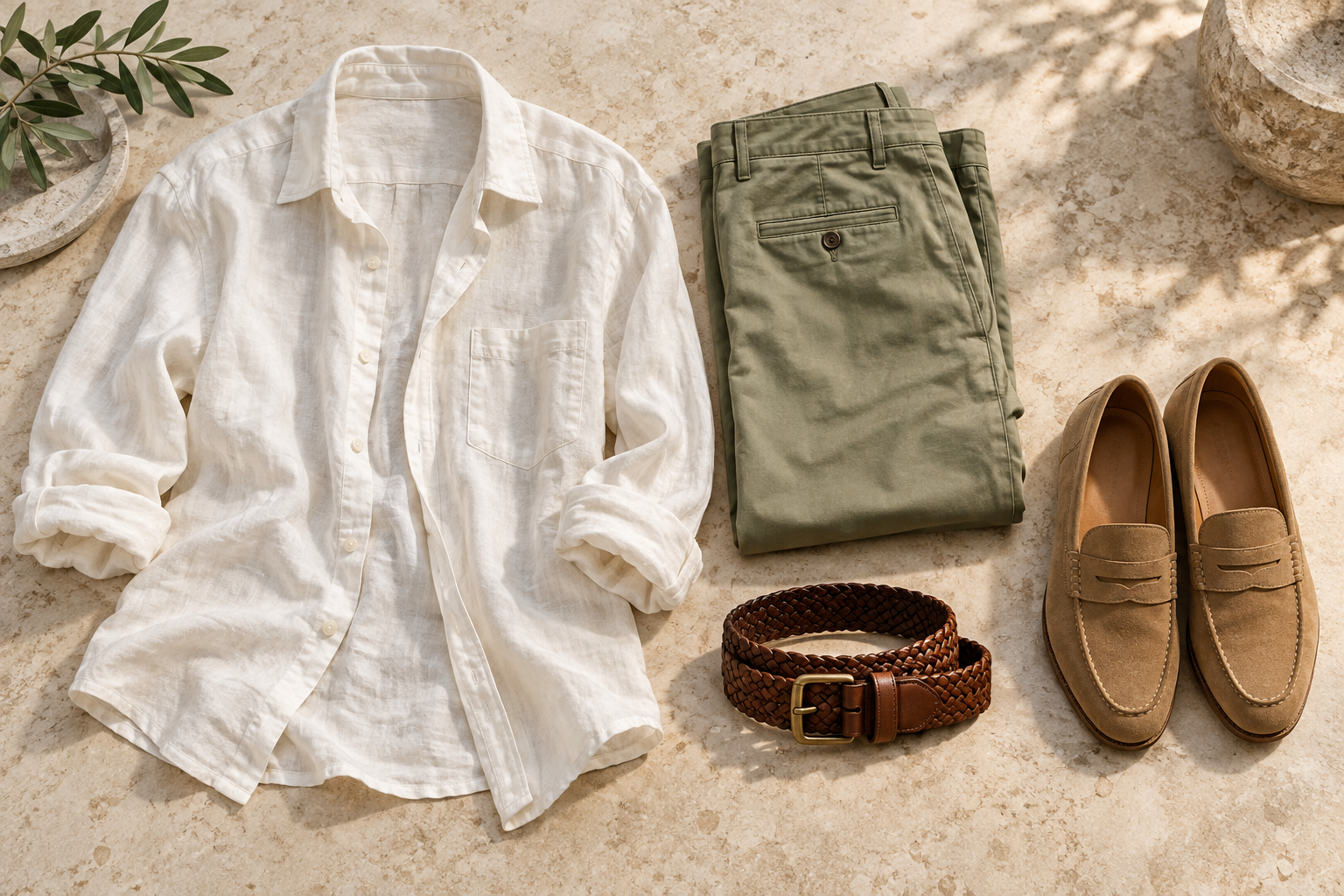
Pure linen is fully smart casual in warm weather and day events — the wrinkles are the charm. Where you want calmer, a linen-cotton blend keeps the breathability and halves the creasing, which is why it is the pragmatic pick for travel and long days.
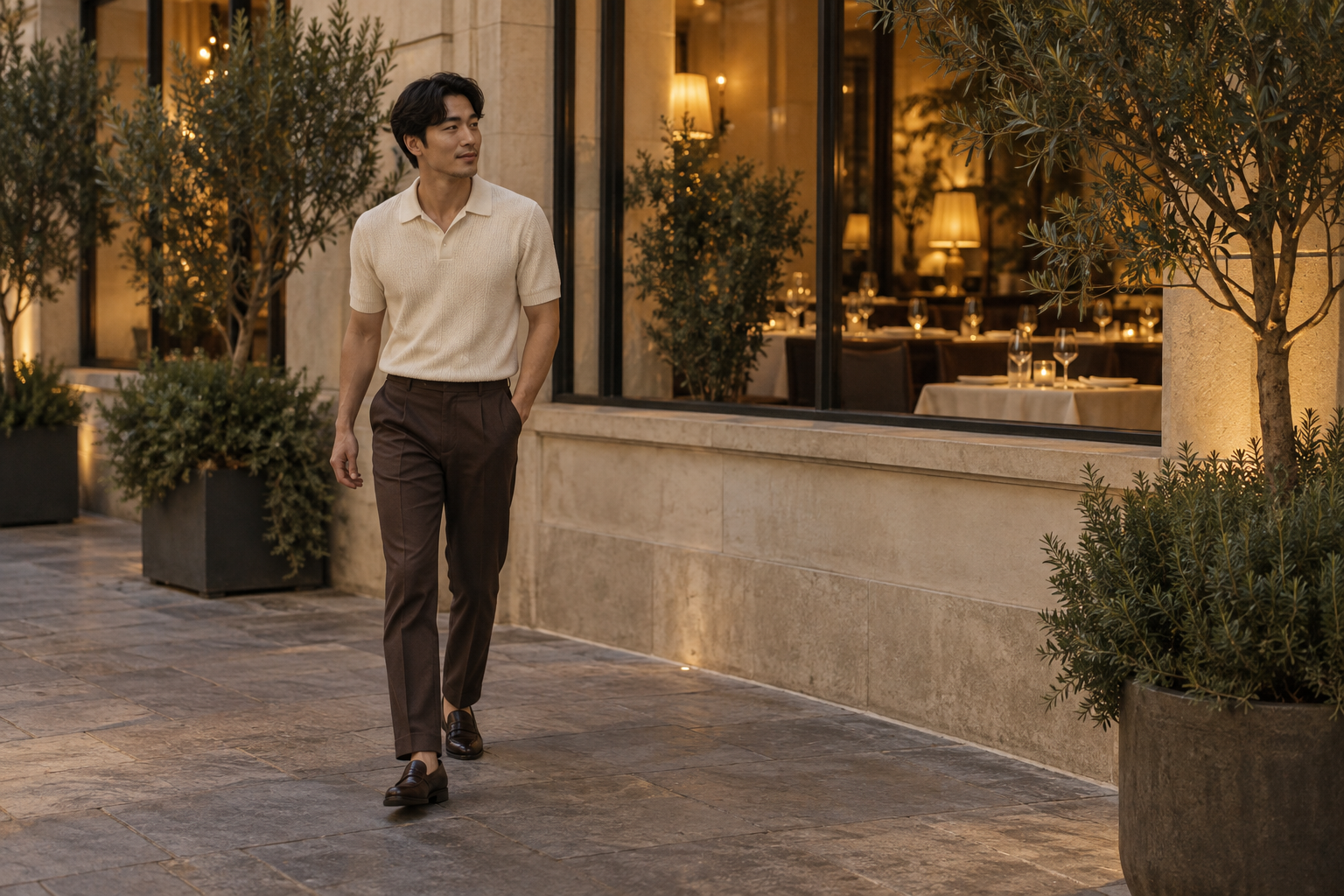
Merino is the year-round smart casual knit: matte, breathable, and flat enough to layer under tailoring without bulk. Fine gauge reads smarter than chunky in that role — the same outfit with an acrylic crew would pill at the cuff by winter's end.
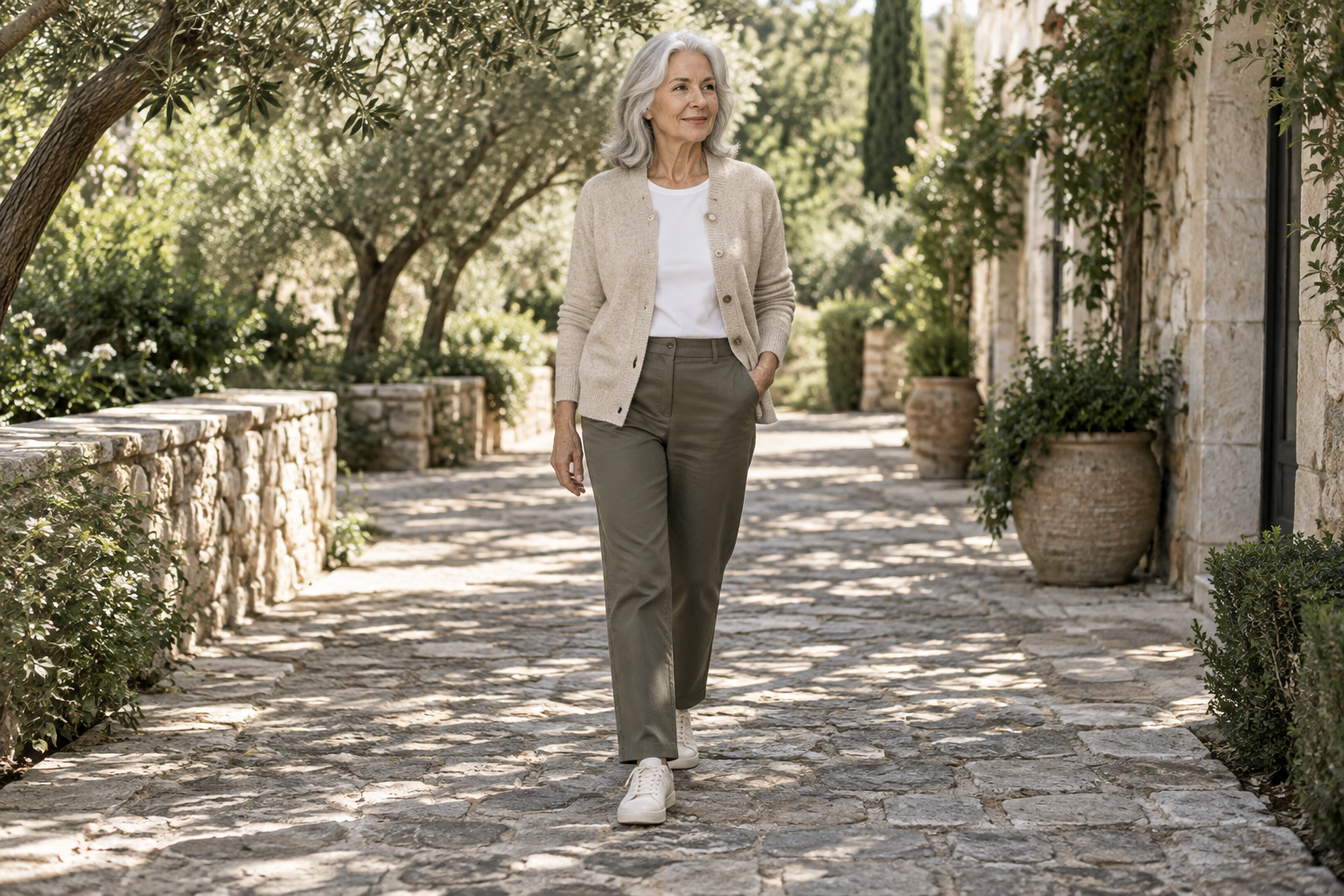
Denim is the one casual fabric smart casual always accepts — at its ceiling. Dark, clean wash in a mid-weight holds a tailored line; raw denim is the connoisseur route, but a good washed pair is the practical answer for most rotations.
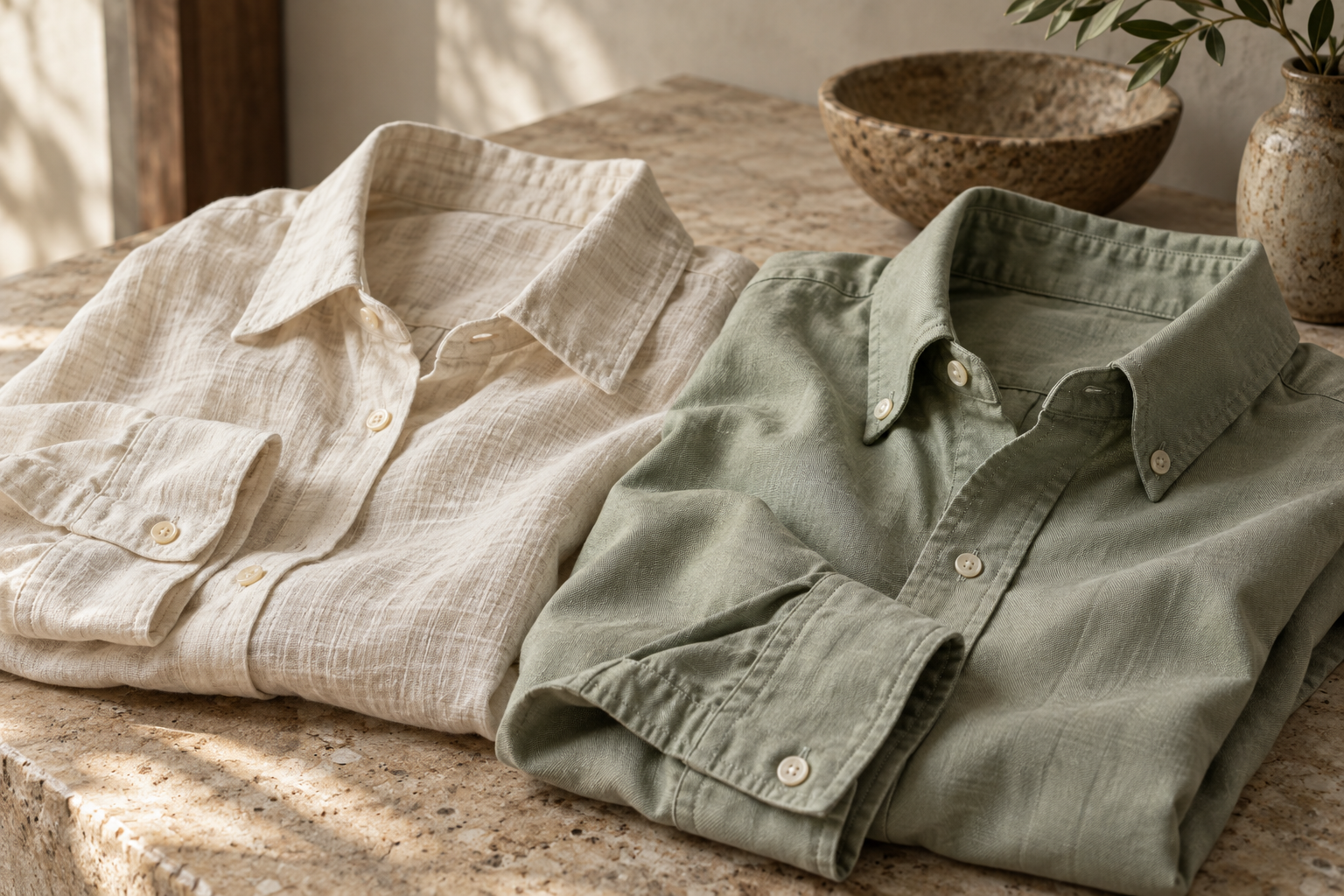
Not every synthetic is out: a quality viscose blend with a matte finish drapes well and breathes acceptably, and two to five percent elastane in trousers is quietly useful. The failures are high-shine 100 percent polyester and pilling jersey — sheen and pilling are the tells, not the fibre name.
What to Wear
Merino wool benefits explained plainly: no itch, real temperature control, less odor, travel-friendly wrinkles, plus summer rules, downsides and care.
What to Wear
Is cashmere worth it? Judge grade from ply, fiber length and knit density, see when budget cashmere is fine, and what care really costs.
What to Wear
Harrington jacket smart casual rules versus the bomber: which passes where, the fabric that decides it, five outfits, and the mistakes that read sporty.