What to Wear
Is Cashmere Worth It? Grades, Prices and Care Explained
Is cashmere worth it? Judge grade from ply, fiber length and knit density, see when budget cashmere is fine, and what care really costs.
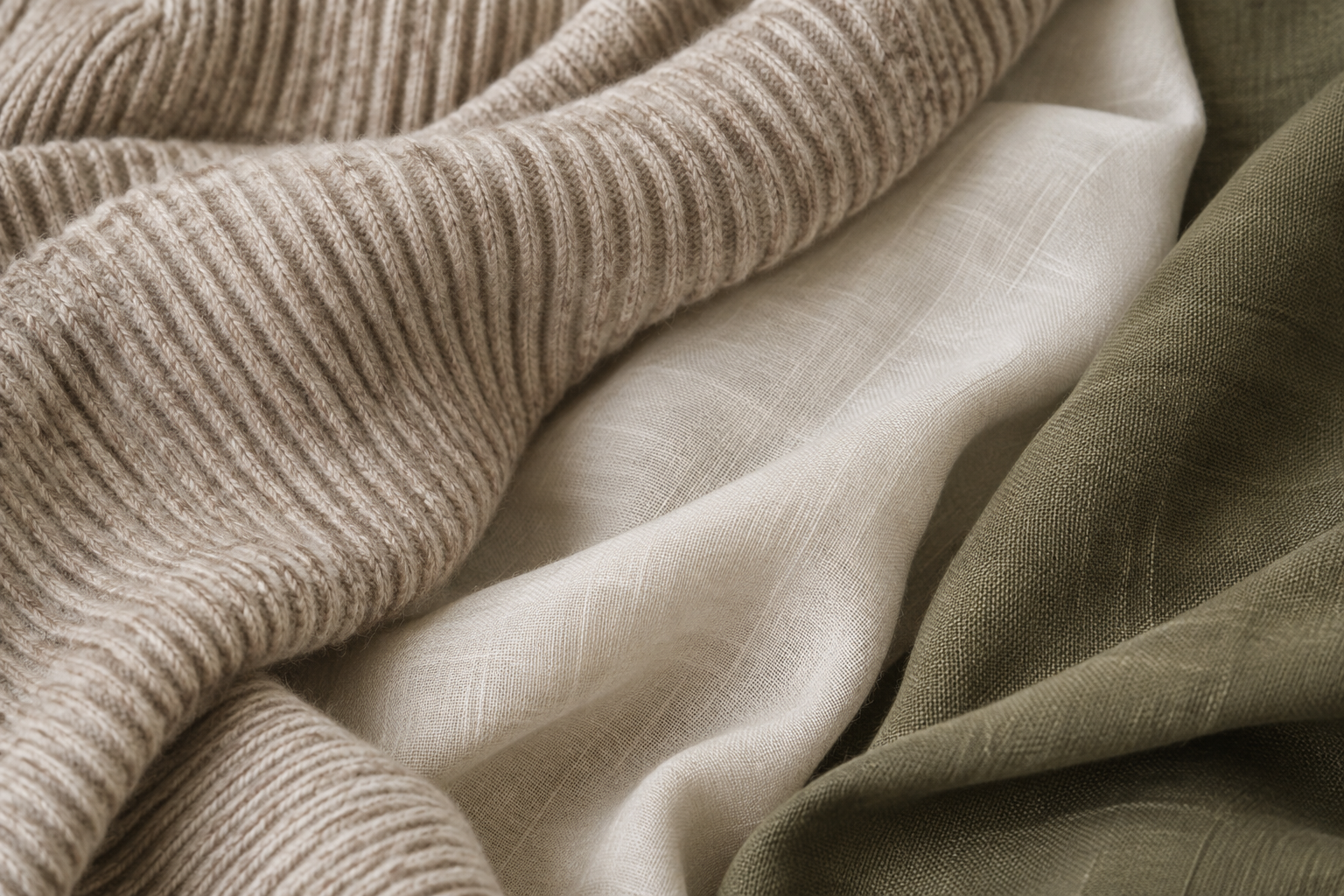
Fabric guide
Merino is the wool that works against skin: fine enough not to itch, warm and breathable at once, and wearable several times between washes. Here is what it actually does better, when it is the wrong choice, and whether the premium is worth it for your wardrobe.
Begin hereInspiration
Merino wool benefits start with fibre fineness: merino fibres are thin enough to bend against skin instead of pricking it, which is why it works where regular wool itches. Add real temperature regulation, low odor and wrinkles that fall out after a morning on a hanger, and you have the ideal smart casual knit — soft, breathable fabric that survives a commute, a suitcase and a long day. It costs more than acrylic or regular wool, and the sections below cover when that premium pays back and when it does not.
The comparison comes down to how each fibre behaves against your body and over a year of wear. Merino wins almost every row that matters for a knit you wear often; acrylic wins the price row, and that is roughly the whole decision.
| Property | Merino | Regular wool | Acrylic |
|---|---|---|---|
| Itch against skin | Low — fine fibres bend | High — coarse fibres prick | None, but does not breathe |
| Warmth | Warm, adjustable | Warmest | Moderate |
| Breathability | High | Moderate | Low — traps heat |
| Odor between washes | Low — airs out overnight | Low | High — holds smell |
| Wrinkle recovery | Falls out on a hanger | Good | Creases can set |
| Pilling tendency | Low on good knits | Moderate | High, plus shine over time |
| Price | Premium | Mid | Lowest |
Not at the fibre counts used for merino garments — the fibres are fine enough to bend against skin instead of sticking into it, which is the mechanism behind every itch memory you have of school-era wool. A small share of people remain sensitive to any wool fibre, so trying one on before buying online is still worth ten minutes. Lambswool and coarser wools sit the other side of the threshold: warmer and cheaper, but a different experience against the neck and wrists.
Yes, with weight discipline. Lightweight merino tees and polos handle warm, moving air well — the fibre buffers moisture instead of soaking in it, so you avoid the cotton-t-shirt-clammy cycle. In humid, still air, merino's buffering runs out and linen blends take over; the hot-humid smart casual guide covers that switch in full.
The smart casual core is crews and v-necks in fine gauge, fine half-zips, and merino knit polos — the knit polo being the single easiest upgrade from a cotton polo. Gauge decides the job: fine knits layer under jackets and read smarter; chunkier knits stand alone and read weekend.
Colour guidance: navy, grey and burgundy form the workhorse palette because they pair with every standard trouser and survive years of wear. How merino sits alongside the rest of the fabric shelf is covered in the best fabrics for smart casual pillar guide.
Red flags: super-thin knits that pill within weeks, vague 'wool-rich' labels that hide a small merino percentage, and blends that do not state the fibre content at all. A merino blend with a majority merino content is a legitimate middle path — most of the benefit, some of the price — but the label should say the percentage honestly.
The budget case is cost per wear, not sticker price: one good merino crew worn weekly beats three acrylic sweaters that pill, shine and hold odor within a season. Buy one colour you will actually reach for, not two you will rotate reluctantly.
The full wash-and-store routine, including the pilling fixes, lives in the wool and merino care guide. Follow it and a good merino knit is a years-long purchase rather than a season-long one.
Is merino worth the price? For a knit worn weekly against skin or under a jacket, yes — the odor and wrinkle benefits are the ones you feel every single wear. For an occasional sweater, no.
How is merino different from regular wool? Finer fibres, so no itch; more breathability, so a wider comfort range; and a softer hand feel that works against skin. Does merino shrink? Yes if washed hot or tumbled — cool wash and flat drying prevent it.
6 looks to explore

A fine-gauge navy crew worn over a white oxford with dark chinos. The fine knit lies flat enough to layer without bulk, and the collar sits cleanly against the neckline — the standard office-plus-pub combination that merino does best.
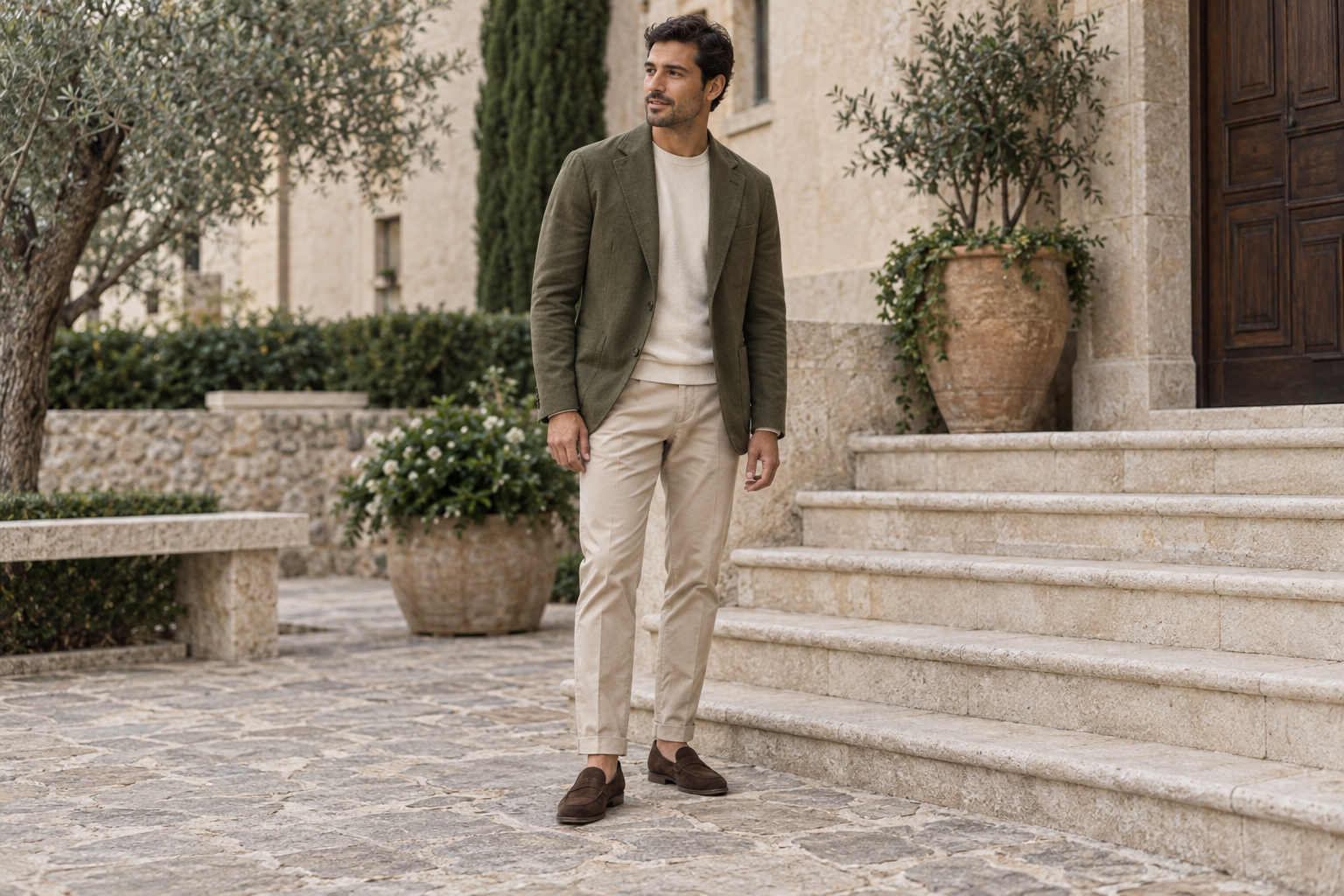
A short-sleeve merino polo in mid-grey with stone trousers and suede loafers. The knit holds a collar shape cotton polos lose by lunch, and it reads office-adjacent while feeling like a t-shirt.

A charcoal merino half-zip under a navy blazer. Half-zips work as the smartest casual layer or the most casual smart layer; in fine merino the zip sits flat and the whole stack passes indoors without the jacket.
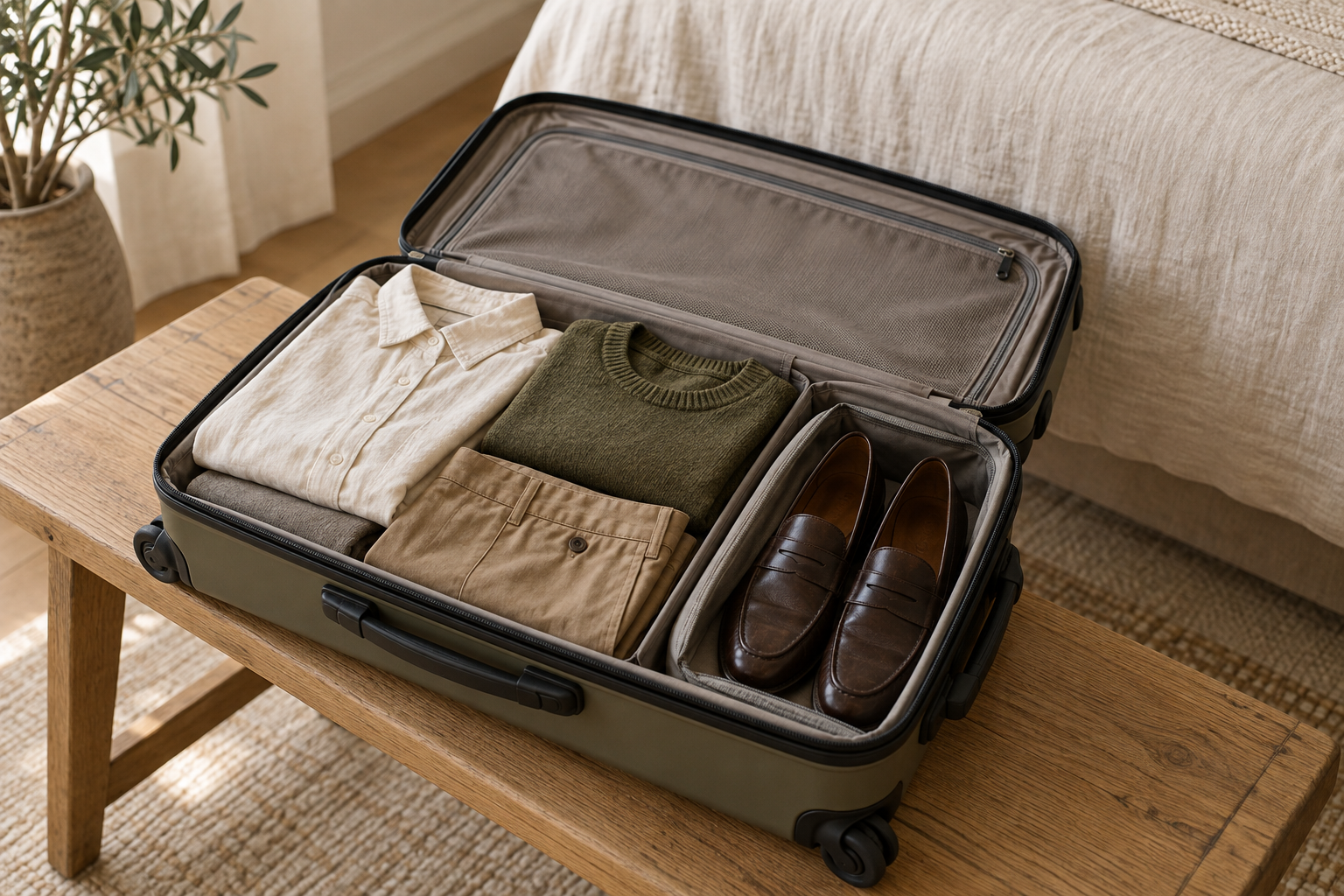
A merino crew rolled tightly in a carry-on, shaken out and hung. The creases from packing fall out within an hour on a hanger, which is why merino is the knit that survives a weekend bag — pack it, hang it, wear it.
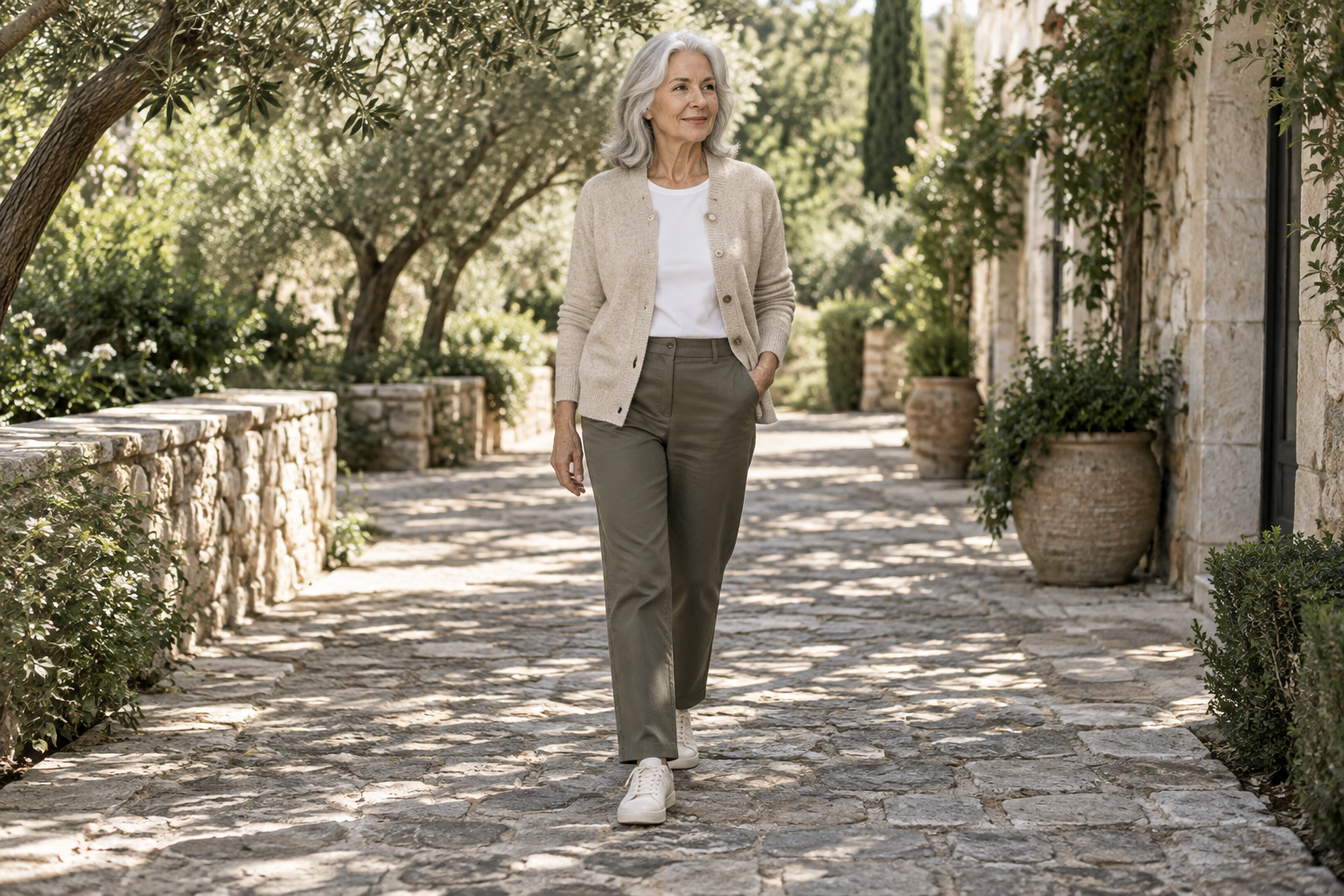
A lightweight merino t-shirt with chinos and minimal sneakers on a mild morning. It handles temperature swings better than cotton — warm at the start of the walk, never clammy at the end — and it does not hold odor by afternoon.
A burgundy fine-gauge v-neck with grey trousers and dark loafers, no jacket. This is the one-knit answer for dinners and dates: colour doing the work, gauge keeping it smart.
What to Wear
Is cashmere worth it? Judge grade from ply, fiber length and knit density, see when budget cashmere is fine, and what care really costs.
What to Wear
Best fabrics for smart casual in tiers: wool and oxford cotton up top, linen blends and dark denim in the middle, and the synthetics that look cheap.
What to Wear
Is linen too casual? Not in warm weather — the garment decides. When linen works, which blends stay smart, what weight to buy, and care that keeps it neat.