A SIMPLE STARTING POINT
Ease, with intention.
The brands that fit plus-size men best are the ones that draft separate patterns for bigger bodies rather than scaling up a medium: dedicated big and tall specialists like DXL, Destination XL and Jacamo lead on range, mainstream extended lines from Uniqlo, M&S and Gap are genuine on sleeve and inseam length, and made-to-measure shirt services close the gap at the collar and sleeve where off-the-rack fails hardest. The tell of a lazy grade-up is length that never grows with the width — sleeves and hems that go short as sizes go up.
This guide gives you a repeatable way to get dressed. Read the short version of each step here, then follow the deeper guides when you want more detail.
01
Best brands for plus sized men? The ranked scorecard
The question comes up constantly on menswear forums, and the honest answer starts with a distinction, not a brand list. Graded-up sizing takes a base pattern and scales the numbers — wider chest and waist, but sleeves, body length and rise that stop keeping up, which is exactly where the boxy, short, clownish fits come from. Drafted-for-you patterns are cut from a bigger block from the start, so shoulders sit where your shoulders are and sleeves reach your wrists. The second group looks better every time, and it splits into three routes: dedicated specialists, genuine mainstream extended ranges, and made-to-measure entry points.
THE SHORT VERSION / 4 STEPS
Decide your route first: specialist range, mainstream extended line, or made-to-measure for shirts.
Check the size ceiling and the length options before anything else — length is what grade-ups get wrong.
Buy one test garment from any new brand before building out.
Judge the five fit points from the fit-check guide: shoulder, sleeve, body length, rise, trouser break.
02
Business casual for big and tall guys: the fit priorities
Fit order matters more at bigger sizes, because a wrong measurement compounds. Shoulders come first — a shirt seam that sits off the shoulder point cannot be fixed cheaply, so buy for the shoulder every time. Trouser rise is second: shallow rises pull and create the front creasing that reads ill-fitting regardless of waist size. Length is third, and it is the tailorable one — buy for the shoulder and the rise, then let the alterations worth paying for handle hem and waist.
- The two-fit problem is real — many men need a bigger waist with a standard inseam or the reverse; separate waist and length sizing earns its keep, which the specialists and Uniqlo offer more of than the fashion tier.
- Fabric decides before fit does: mid-weight with drape skims rather than clings or boxes, so read the label before buying anything stiff or whisper-thin.
- Get the proportion details right — rise, break, sleeve length — and the outfit reads fitted rather than oversized.
- The body-fit principles behind all of this are in the big and tall silhouettes guide.
THE SHORT VERSION / 4 STEPS
Try the shoulder seam against your shoulder point before looking at any other measurement.
Sit down in the trousers — a correct rise does not pull or create a hard front crease when seated.
Check sleeve length to the wrist bone and shirt hem past the belt line; short is the grade-up tell.
Send the hem and, if needed, the waist to a tailor — the alterations that transform fit are the cheap ones.
03
Best brands by garment for big and tall
Categories behave differently at extended sizes, and the honest verdicts below save the most money where the category is hardest.
THE SHORT VERSION / 4 STEPS
Build the core first: two shirts with correct sleeve length and two trousers with a comfortable rise.
Add knitwear third — it is the category that reads intentional fastest at bigger sizes.
Treat the blazer as a project, not a purchase: specialist range, resale, or made-to-measure.
Finish with shoes in the correct width, because a pinched shoe undresses the whole outfit.
04
Where to shop, made-to-measure routes and style rules
Online-first is the default strategy for extended sizes, simply because physical stock is thin — which makes generous returns the deciding feature of any brand you try, and the where to buy online guide ranks retailers on exactly that. Order the test piece, run the five fit points, and keep notes per brand so the next order skips the guesswork; measuring a garment that already fits beats every label size. On style, structure beats drape at plus sizes: collars, structured shoulders and mid-weight fabrics read intentional, while sizing up to hide in fabric does the opposite.
- Get the proportion details right (rise, break, sleeve length) and the outfit reads fitted rather than oversized.
- When off-the-rack keeps failing, made-to-measure crosses over: custom shirt services are the cheap entry, and a made shirt under a well-chosen off-the-rack jacket solves the two hardest categories at once.
- Second-hand is harder at extended sizes but not impossible — search by measured pit-to-pit and inseam, not by label size.
THE SHORT VERSION / 4 STEPS
Shortlist brands with 30-plus-day returns before comparing price.
Measure your best-fitting shirt flat: pit-to-pit, sleeve, collar. Compare, never guess.
Alter the shoulder-decent, length-wrong purchases instead of returning everything.
Move the shirt category to made-to-measure once you know your measurements hold steady.
SEE THE IDEA AT WORK
The five-point fit check on a new shirt
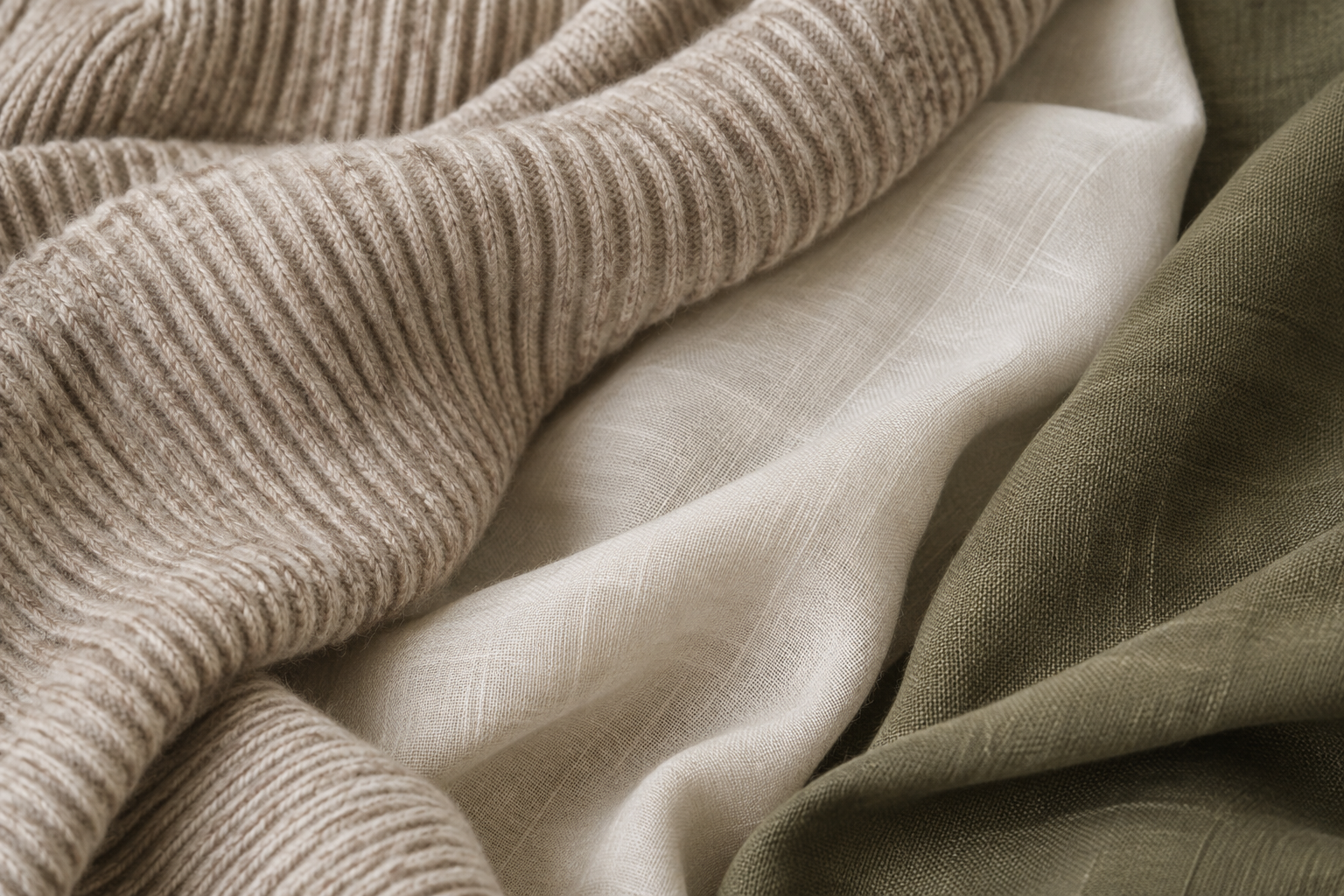
Run this the day a test garment arrives, in daylight, in a full-length mirror. Shoulder: the seam lands on your shoulder point, not down the arm. Sleeve: it reaches your wrist bone with the arm relaxed. Body: the hem covers the belt line and stays down when you reach. Buttons: the front closes without pulling at the largest strain point. Collar: a finger fits comfortably, and the collar sits clean over a crew-neck tee. Four of five passing means a tailor can close the gap; fewer means the block is wrong for you, not the size.
- One oxford shirt in your measured size, not your habitual label size
- One pair of trousers with a deep rise and a touch of stretch
- One mid-weight knit that ends past the belt
- A tailor's quote for hem and waist before you decide what to keep
| Brand | Size range | Price band | Fit quality |
|---|---|---|---|
| DXL / Destination XL | To 6XL and beyond, tall and short options | Mid-range | Drafted big and tall blocks; strongest all-round |
| Jacamo | Wide ceiling, frequent sales | Budget to mid | Varies by line; check length per garment |
| Uniqlo | Extended but lower ceiling | Budget to mid | Genuine length options; clean cut that does not tent |
| M&S | Big and tall in-store and online | Budget to mid | Reliable grade with real length; honest fabrics |
| Gap / Old Navy | Extended with tall inseams | Budget to mid | Genuine on length; verify per style |
| MTM shirt services | Any measurement | Mid to premium | Collar and sleeve fit off-the-rack cannot match |
A last look in the mirror.
A MOMENT BEFORE YOU GO
0 of 7 ready
SMALL ADJUSTMENTS
When it feels almost right.
Should I buy a bigger size instead of getting things tailored?
Never size up. A bigger label makes every measurement wrong at once — wider shoulders, longer hems, deeper rise you did not need. Buy your measured size and let a tailor take in or shorten the one or two things that are off.
Why do extended sizes from fashion brands fit so badly?
Because most are graded up from a base pattern: width grows but sleeve and body length, rise depth and armholes do not keep pace. Dedicated specialists and genuine extended lines draft separate blocks, which is why they look right.
What should a big guy stop doing?
Hiding in bigger sizes. Fabric that tents reads bigger, not neater; structure, mid-weight fabric and correct proportion read intentional. The fit is measured in your size, not in volume.
Still wondering?
What brands make good clothes for plus-size men?
DXL and Destination XL lead on drafted big and tall range, Jacamo is the budget-friendly UK specialist, and Uniqlo plus M&S are the genuine mainstream extended lines. Start with the scorecard above and buy one test piece per brand.
Where do big and tall guys shop for business casual?
Specialists for range, mainstream extended lines for basics, made-to-measure services for shirts, and resale for blazers. The big and tall smart casual guide covers the outfit formulas once the fit is right.
How should a big guy dress business casual?
Shoulder-fit shirt, deep-rise trousers, mid-weight fabrics, and a hem-and-waist tailor on speed dial. Structure and proportion carry the impression; nothing about it requires a slim body.
When does made-to-measure beat off-the-rack extended sizing?
When your measurements sit outside every brand's block — usually the collar-and-sleeve combination on shirts. Custom shirt services are the cheap entry point; jackets are worth it only once the rest of the wardrobe fits.