What to Wear
Smart Casual Grooming: Hair, Beard, Skin, Nails and Scent, Calibrated
Smart casual grooming calibrated to the dress code: the tidy, intentional, low-shine baseline for hair, beard, skin, nails and scent, plus a plan.
Grooming guide
Almost any modern cut passes at work if the edges are maintained. Here are the six that work everywhere, the exact barber wording for each, and the routine that keeps them sharp.
Begin hereInspiration
Smart casual hair is not a specific haircut — it is any cut with clean edges and an intentional shape. The style matters far less than the upkeep: a fashionable cut grown out for six weeks reads worse than a simple cut maintained every four. Pick a cut below, copy the barber wording, and book the next appointment before the edges go.
Each look below is a complete request you can copy into the barber's chair, with the upkeep interval attached so you choose by your real salon frequency, not just the photo. All six read smart casual when maintained; none requires product theatrics to pass.
| Cut | What to ask for | Suits | Upkeep interval |
|---|---|---|---|
| Textured crop | Two on the sides, scissor-cut short length on top with texture, blunt or slightly cropped fringe, scissor finish | Most faces; great on thick or straight hair | Three to five weeks |
| Side part | Tapered sides, two to three inches on top, natural side parting combed over, tapered neckline | Conservative offices; fine to medium hair | Three to four weeks |
| Taper fade | Low taper on the sides — not skin — one and a half to two inches on top, textured finish | The safest office fade; all hair types | Three to four weeks |
| Quiff | Short tapered sides, three inches or more on top, length pushed up and back at the front | Rounder faces; needs blow-dry minutes | Four to five weeks |
| Crew cut | Short all over, slightly longer at the front, faded or tapered sides | Fine hair, receding hairlines, low-effort routines | Three to four weeks |
| Mid-length swept | Keep length on top, grow to ear length or just past, ask for internal layers and a tapered neckline | Wavy hair; patient grow-out phases | Six to eight weeks |
| Hair type | Best cuts | Avoid | Product |
|---|---|---|---|
| Fine | Crew cut, side part, textured crop kept short | Long heavy lengths that go limp | Light paste or sea-salt spray, never heavy wax |
| Thick | Textured crop, quiff, taper fade | Very short all over, which puffs | Matte clay, pea-sized |
| Wavy or curly | Mid-length swept, textured crop working with the wave | Razor-short fades that fight the curl pattern | Leave-in cream, air-dry or diffuse |
| Receding | Crew cut, short crop, clean buzz — short and confident beats the comb-over | Comb-overs and length at the temples | Matte, minimal; product cannot hide a hairline |
| Balding or shaved | Buzzed or fully shaved — a legitimate smart casual look when edges are clean | Fringe strategies and long lengths at the crown | SPF and a matte moisturiser instead |
Conservative rooms — finance, law, client-facing roles — tighten three dials: shorter sides, a defined part, and low-shine product. The side part and low taper fade exist for exactly this environment. Nothing bans modernity there; it just asks the cut to look maintained rather than experimental.
Smart-creative and tech environments pass nearly everything, including skin fades and mid-length. The only tells that read unprofessional are maintenance and product discipline: a great cut grown out badly, or product applied like glue. The wider pattern — how each industry reads the same dress words — is in smart casual by industry.
Towel-dry until hair is damp. Product on soaking hair dilutes and slides; on bone-dry hair it clumps.
Rub it between palms until it turns invisible. Matte finishes read modern and smart; shine pomades read dated in most offices.
Apply where hair is thickest first so the front does not drown. Shape with fingers, not a comb, for texture.
Push the front up and back while drying. This minute doubles the polish and gives the quiff or crop its shape.
Photograph yourself at the angle an interviewer or client sees. Styled versus air-dried is an obvious difference on camera.
Copy this script and adjust the numbers: A low taper on the sides, down to a two. Keep about two inches on top, scissor-finished with texture. Taper the neckline naturally — do not block it. Clean up the sideburn edges lightly, nothing sharp. Numbers beat adjectives because they survive translation between barbers; short back and sides means ten different haircuts.
Two red flags say switch barbers: cutting the same cut every visit without ever discussing what is working, and never once mentioning your neckline. A good barber asks about grown-out photos and your maintenance interval. Book the next appointment before leaving the shop — it keeps the three-to-five-week edge-up honest better than any calendar intention.
Between cuts, a mirror and a trimmer can tidy the neckline at the very edge, and that is all. Attempting your own taper usually costs a paid correction. Research local cut prices in your city and divide by the weeks it lasts — the cost-per-week framing makes the interval easy to keep, and every haircut page here avoids quoting figures that change by city.
Two rules carry most of the outcome. Volume placement: add height on top for longer faces, width at the sides for narrower ones. Fringe choice: a short textured fringe softens a high forehead, and a swept fringe breaks up a strong hairline. Most nine-shape charts overcomplicate what these two decisions settle, so skip the matrix.
What hairstyle looks professional? Any cut with clean edges and an intentional shape — the neckline, sideburns and styling decide it, not the trend.
Is long hair unprofessional? No — tied back or deliberately worn, healthy long hair passes in most modern offices. Frayed, unbrushed long hair fails anywhere. The condition is care, not length.
How do I ask my barber for a smart casual cut? Use the script above: fade or taper height as a number, top length in inches, neckline preference, and a scissor finish on top.
Fade or taper for the office? The taper is safer in conservative rooms because it keeps a natural finish at the neckline. Skin fades pass in most modern offices. Either way, rebook inside four weeks — the first week's sharpness is what people remember. A fresh cut also matters in visible-first weeks at a new job; see your first week in the office.
6 looks to explore
Short, scissor-textured length on top with a tapered two on the sides — the modern default that passes nearly every office. The upkeep keeps the fringe deliberate rather than grown-in.

The conservative-room choice: defined parting, tapered sides, low-shine product. It reads sharpest in finance, law and client-facing settings, refreshed every three to four weeks.

The safest office fade: a low taper rather than skin, with an inch or two of textured length on top. Modern without reading experimental.

Height at the front, tapered sides, sixty seconds of blow-dry. Suits rounder faces and anyone willing to spend one minute with a dryer each morning.
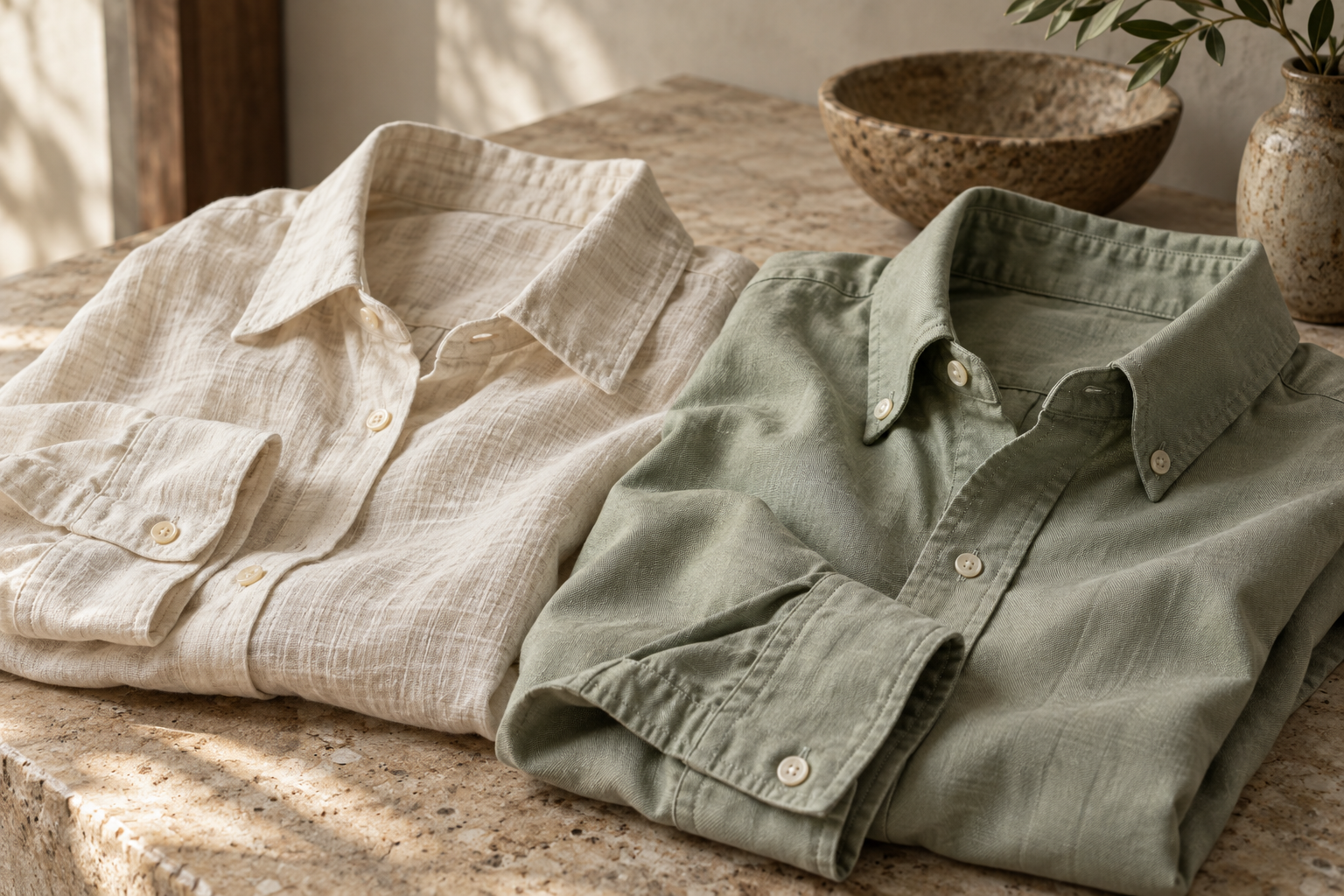
Short, clean and honest — the low-effort cut that flatters fine hair and receding hairlines alike. Clean edges are the entire look, so the interval stays tight.
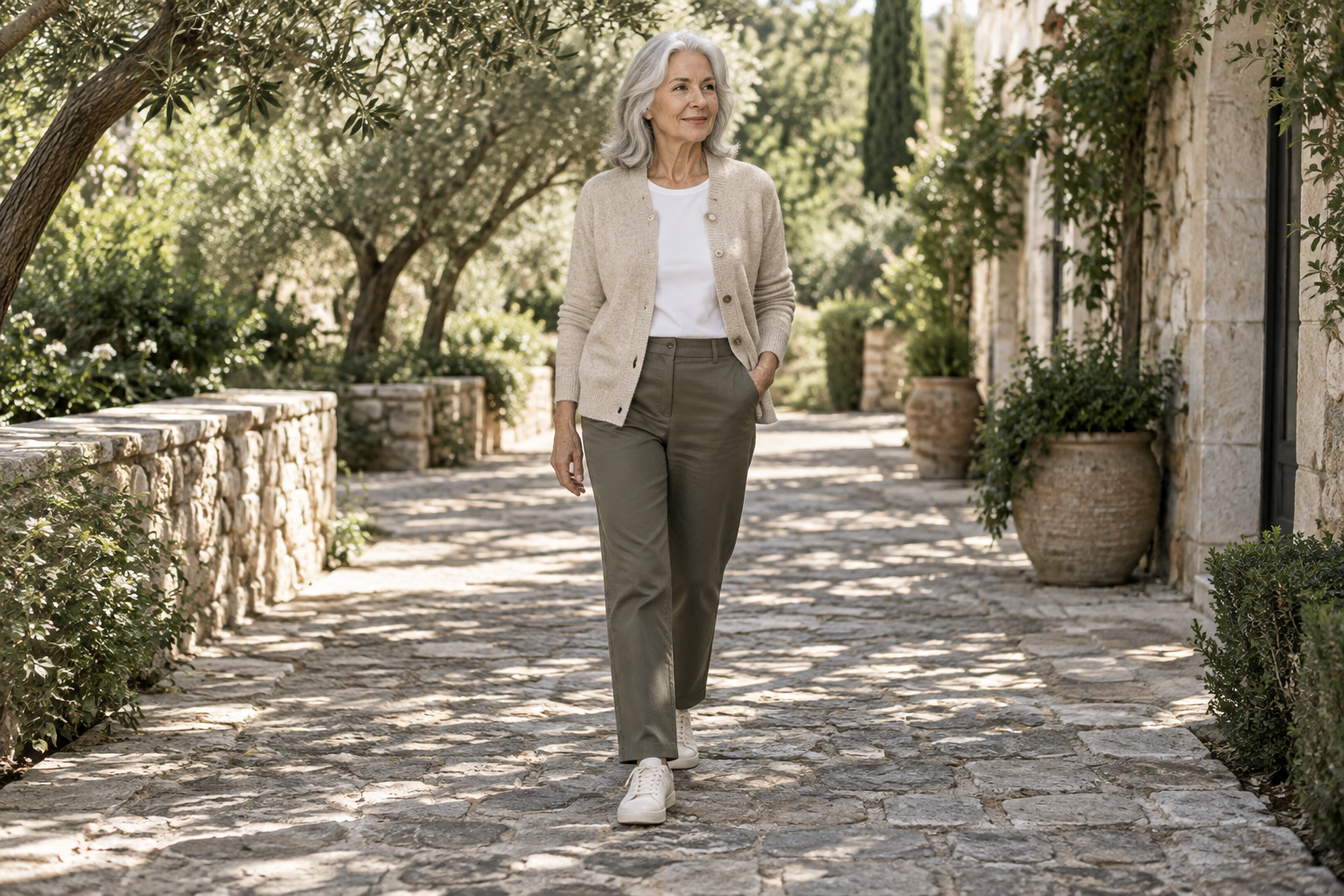
Ear-length layers worn back or to the side for wavy hair. The most patient of the six — it passes when the neckline stays tapered and the wave is conditioned, not frizzed.
What to Wear
Smart casual grooming calibrated to the dress code: the tidy, intentional, low-shine baseline for hair, beard, skin, nails and scent, plus a plan.
What to Wear
The beard dress code for smart casual: beards and stubble are fine when maintained. The formality scale, the neckline rule, and office and event verdicts.
What to Wear
What a polished makeup look means at smart casual: the three tests, the 10-minute routine, polished hair styles, and the adjustments that matter after 50.