What to Wear
Professional Hairstyles for Men: Haircuts That Suit Smart Casual
Professional hairstyles for men by dress code: six smart casual haircuts, the exact barber wording, and the upkeep that keeps them office-ready.
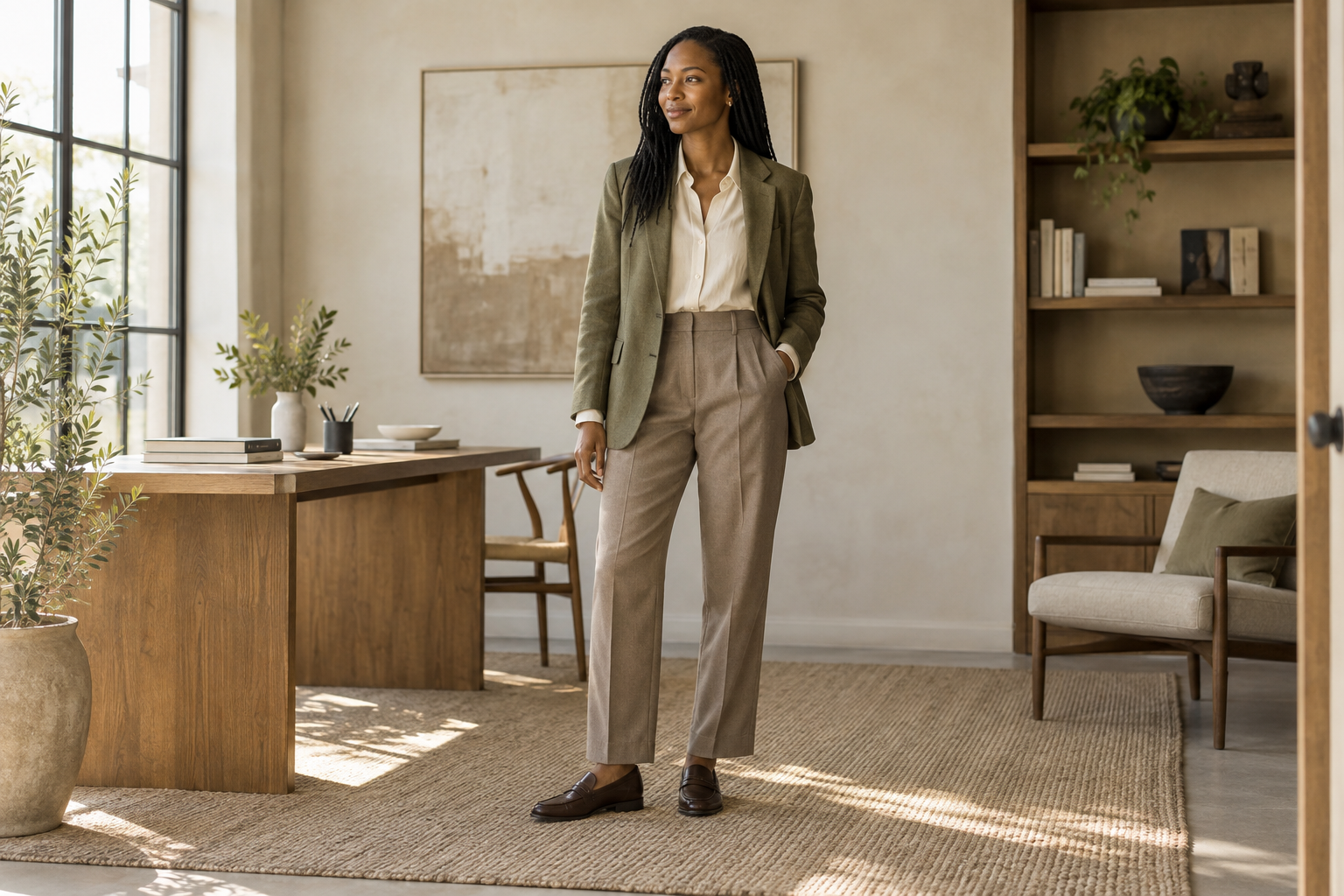
Grooming pillar
The clothes are searchable; the grooming that makes them read polished is not — barbershop blogs sell cuts and magazines sell routines, and nobody maps grooming to the dress code. Here is the missing framework: as the outfit gets smarter, the grooming gets tighter.
Begin hereInspiration
Smart casual grooming is not a product routine — it is a calibration. The same haircut can pass at weekend casual and drag down a formal outfit, because the dress code sets the standard, not the style. The levels below define what tidy, intentional and low-shine actually mean at each formality, and each look card is a starting point for one area of the routine.
| Area | Relaxed | Smart casual | Formal-adjacent |
|---|---|---|---|
| Hair | Washed, roughly shaped | Fresh edges, clean neckline | Freshly cut, styled deliberately |
| Facial hair | Whatever grows | Defined edges, tidy lines | Clean-shaven or barber-sharp beard |
| Skin | Clean | Clean, moisturized, SPF | The same, plus event-level evenness |
| Nails and hands | Trimmed | Trimmed, clean, no ragged cuticle | Buffed, manicure-level |
| Scent | Optional | Arm's-length, one or two sprays | Minimal or none in close rooms |
| Brows and ears | Unremarked | Tidied, nothing protruding | Barber-defined, freshly trimmed |
Note how close the levels sit: one maintenance interval apart on most rows. That is the pairing effect — the same haircut passes at weekend casual and fails at formal-adjacent purely on how long ago the neckline was cleaned up. The dress-code layer is the empty space this pillar fills; start from the smart casual dress code explained hub if the code itself is the open question, and the industry calibration guide shows how workplaces move the standard.
Marcus, wedding guest in a blazer and trousers: the outfit is formal-leaning, so the grooming tightens to match — edge-up within the week, beard lines defined, nails buffed, fragrance at two sprays. The outfit and the upkeep answer each other.
Denise, back to an office where the baseline shifted: no routine overhaul is needed, just the smart casual column applied deliberately — a polished-but-not-formal hair approach, hands maintained, scent quiet. The women's-specific version lives in the polished-not-formal guide.
Arjun, on a budget: the two barbershop spends that defend themselves are the cut and the mid-cycle edge-up — many barbers charge little or nothing for the edge-up between cuts. Everything else moves at home: nails, brows, the trimmer pass. Grey hair has its own style questions, covered in the grey hair style guide.
Smart casual grooming requires nothing elaborate — it asks that nothing about you looks neglected. Hair with a fresh neckline, facial hair with defined edges, clean moisturized skin, trimmed nails, and a scent that stays at arm's length. Every item is maintenance rather than styling, which is why the framework above is a calendar, not a routine.
Does smart casual include grooming requirements? It has no written rules, but the standard is the tidy-or-gone one: hair, beard and nails either read maintained or they undercut the outfit. Nothing needs to be fashionable; everything needs to look deliberate.
How often should I get a haircut to look put together? Every three to five weeks for most cuts — the neckline and edges are what date first, and many barbers do a cheap or free edge-up between cuts. A grown-out neckline is the single most common tell on an otherwise sharp outfit.
Is stubble professional at smart casual level? Maintained stubble, yes — a defined neckline and cheek line and an even length. Wild stubble reads careless even under a blazer, and conservative workplaces tighten the standard a further notch.
Do women's grooming rules differ? The calibration framework is identical — as the outfit gets smarter, the grooming gets tighter — but the specifics differ: a polished-not-formal hair approach rather than a fresh cut, and no makeup required beyond an even, healthy base. The women's-specific version lives in the polished-not-formal guide.
6 looks to explore
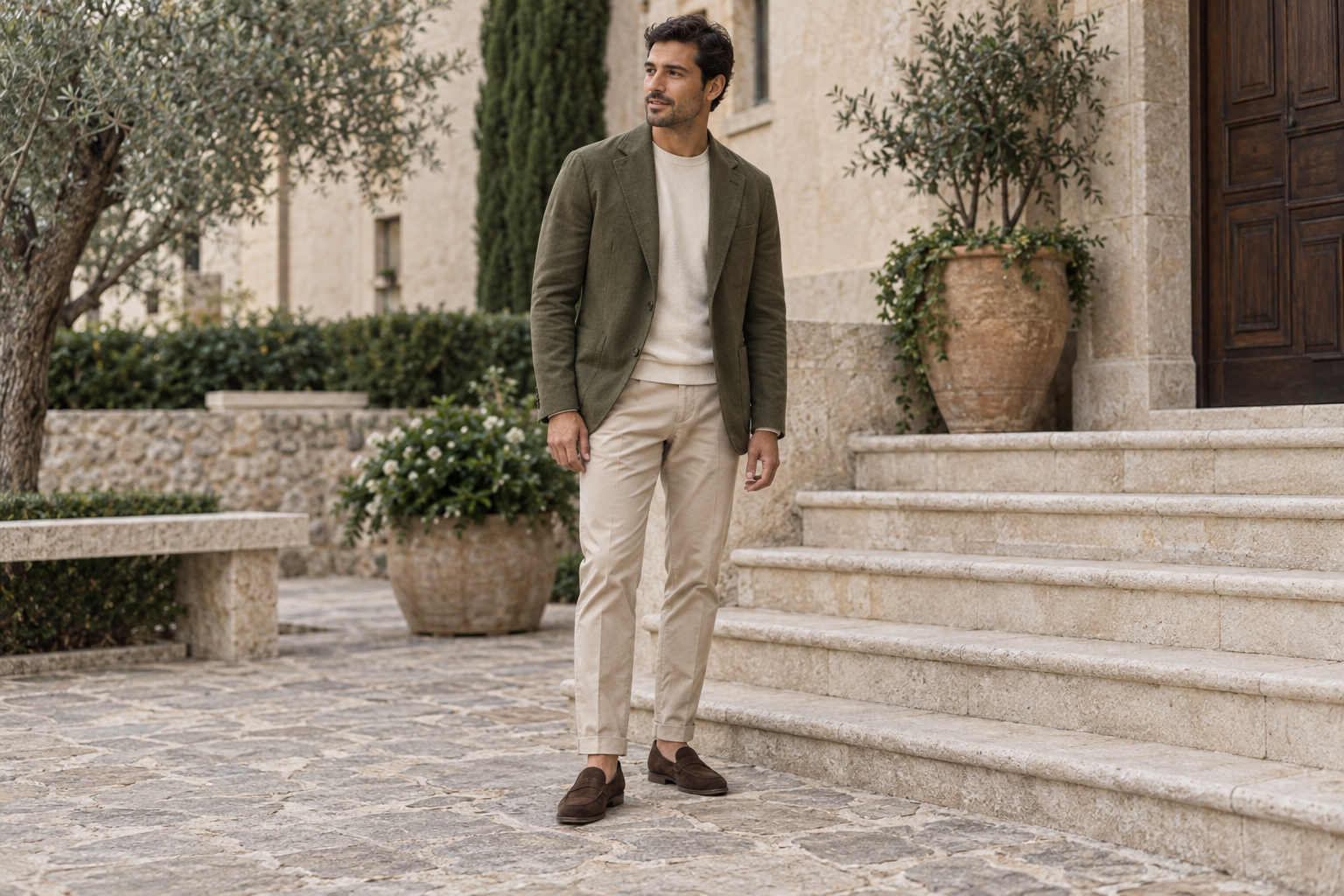
A clean neckline and fresh edges every three to five weeks are what make a cut read intentional — the style itself matters less than the upkeep. A sharp outfit under a grown-out neckline loses to a plain outfit under a fresh one. The cuts that suit smart casual specifically are in the men's haircuts guide.
At smart casual level, any facial hair passes if the edges do: stubble needs a defined neckline, beards need cheek and neck lines kept tidy. Wild stubble reads careless even under a blazer, and conservative workplaces tighten the standard — the beard decision in full is covered in the beard-versus-clean-shaven guide.
Clean, moisturized, SPF — the baseline that does most of the work for both men and women, with no routine required beyond it. Skin fixes are gradual, so start four weeks before the event, not the night before; a pharmacist product handles most spots, and anything persistent belongs with a dermatologist.
Hands are active in every first interaction — handshake, payment, laptop — so they rank first among details people notice and nobody admits. Clean, trimmed, no dirt line, no ragged cuticles; clear or buffed polish works for anyone, and chipped polish is the one hard rule.
At smart casual distance, fragrance should be found, not announced: one or two sprays on the chest or under-layer, and the practical proxy is simple — if you can smell yourself during normal movement, it is too much. The office-safe systems are in the office fragrance guide.
A barber-tidy of the brows is normal maintenance for men too, ear and nose hair is the interview-distance tell a trimmer habit prevents, and teeth sit in the top three of first impressions. None of it takes more than ten minutes a month — the small-details guide has the full checklist.
What to Wear
Professional hairstyles for men by dress code: six smart casual haircuts, the exact barber wording, and the upkeep that keeps them office-ready.
What to Wear
The beard dress code for smart casual: beards and stubble are fine when maintained. The formality scale, the neckline rule, and office and event verdicts.
What to Wear
Plus size menswear brands that cut for bigger bodies, not just size up: the ranked scorecard, big and tall fit priorities and best picks per garment.