
What to Wear
Build a Wardrobe Slowly: The Three-Payday Smart Casual Plan
How to build a wardrobe slowly, one payday at a time: the month-by-month buy order that looks put-together from week one, complete by month three.
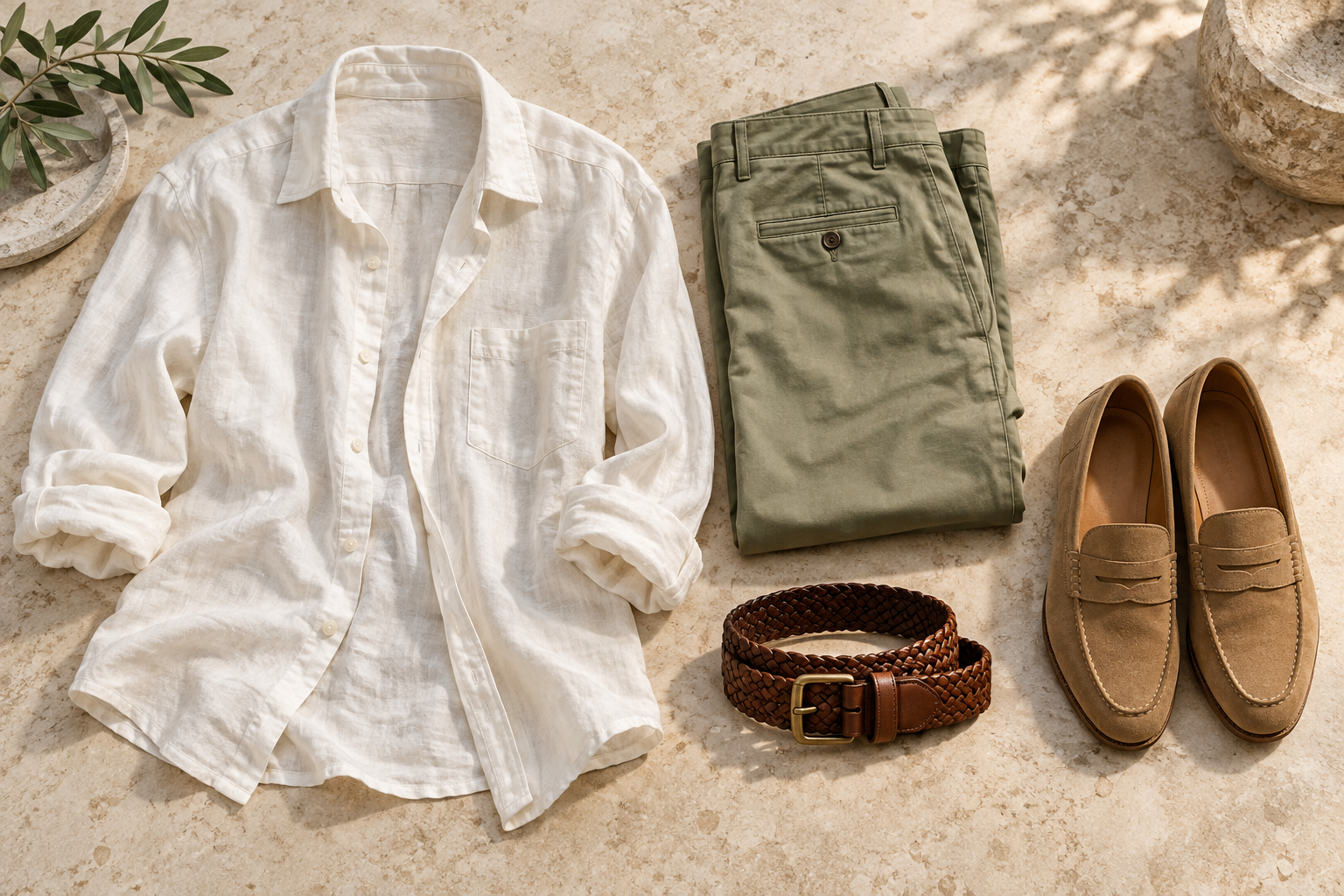
Sale strategy
Sales reward the shopper with a list, not the shopper with a basket. This calendar maps which garment categories are genuinely discounted in which month, so you buy the coat you actually need at half price instead of junk you never wear.
Begin hereInspiration
Retailers clear a season as it ends, so the deepest reliable cuts run counter to the calendar: coats get cheap in March, linen in September. The headline events — January sales, Black Friday — get attention, but end-of-season clears are where a wardrobe is actually built at a discount. One discipline covers everything here: a discount on something you were never going to buy is not a saving.
Every retailer runs the same cycle: a season's stock must be gone before the next season's arrives. That is why the counter-cyclical buys below repeat every year, in roughly the same windows, across mid-tier and better brands alike.
The six scenarios below are the pattern to copy. Each one is a category at its cheapest moment, bought for the season ahead — which is exactly how a wardrobe gets built at a discount instead of assembled at full price in a panic.
Timing matters as much as the discount. Early in a clear you get sizes; late in a clear you get prices. The sweet spot is the first half of each window below, when both still exist.
The buy-ahead method is simple: purchase the size you will wear next season and store it like any off-season garment. Quality coats, denim and most knitwear survive a year on the hanger without complaint — see the rules in our guide to storing seasonal clothing.
Two things do not survive the wait well: trend cuts that will read dated, and elastane-heavy fabrics that relax with age. Skip both at any discount. And apply the 70-percent-off test every time — inspect seams, fabric weight and lining exactly as you would at full price, because a discount is not an excuse for a defect.
Drive the whole method from your closet, not the sale rail. The list of what to hunt comes from your own wardrobe audit — the gaps, not the impulses. Clearance rails are also usually final sale, which means sizing risk is entirely yours, so it pays to know the brand's measurements first.
Rank categories by how much quality a discount buys you. Outerwear tops the list because construction shows and full prices run high; shirting sits lower because decent shirts stay affordable year-round.
| When | Hunt these | Typical band | Skip this |
|---|---|---|---|
| January | Knitwear, boots, last of the winter coats | 30 to 50 percent off | Faded, picked-over sizes late in the month |
| Feb to Mar | Winter coats, scarves, gloves, cold-weather extras | 40 to 70 percent off | Trend cuts you would not wear next winter |
| Jun to Jul | Blazers, tailoring, transitional jackets | 30 to 50 percent off | Heavy wool you will not want until winter |
| Sep to Oct | Linen, polos, summer shoes, lightweight suiting | 40 to 60 percent off | Anything needing a try-on you cannot do |
| Black Friday | Socks, tees, underwear, a researched big-ticket item | 20 to 40 percent off | Fit-critical buys made in a rush |
Shoes are where sale purchases most often go wrong: if your size or width is gone, the temptation is to take the near-fit. Do not — a shoe that almost fits never gets worn. Know what is worth paying full price for by reading our guide to budget dress shoes, and treat sale shoes as a bonus, not a plan.
For everything else, the same discipline compounds: gaps at full price when you need them, upgrades at sale when the calendar reaches them. Run alongside the build-in-three-instalments plan and the wider smart casual on a budget approach, and the sale calendar becomes the discount layer of an outfit-first wardrobe rather than a separate hobby.
What are the best things to buy in the January sales? Winter kit — knitwear, boots and remaining coats — but shop in the first days, because sizes vanish fast and the bargains left by mid-month are the ones nobody wanted.
Is Black Friday worth it for clothes? For replenishables and a big-ticket item you researched weeks earlier, yes. For coats and fit-critical buying, rarely — rushed decisions and crowded returns windows make bad purchases cheap-feeling, not cheap.
When do coats go on sale? Counter-intuitively: the deepest reliable cuts land in late February and March, once winter is effectively over. January discounts are real but shallower and sizes are already thin.
How do I stop buying junk on sale? Two rules: write the wishlist from your wardrobe gaps before the event, and apply the full-price inspection no matter the discount. If a piece only works because it is cheap, it does not work.
6 looks to explore

A merino crew neck in navy and a lambswool crew in oatmeal, bought in the first week of January for the following winter. Fine-gauge knits store flat without complaint, and buying two colours you already wear means both get rotation, not just rail-hangers.

A wool overcoat in charcoal, tried on over a blazer to confirm room for layers, bought at the end of winter for next November. The test that mattered: shoulder seam on the shoulder, sleeve clearing the shirt cuff, and a colour that sits inside the existing palette.
A linen shirt in white and one in mid-blue, purchased during summer clearance at the start of autumn. Linen creases regardless of price, so a discounted mid-weight shirt performs exactly like a full-price one — the rare category where the discount changes nothing but the receipt.
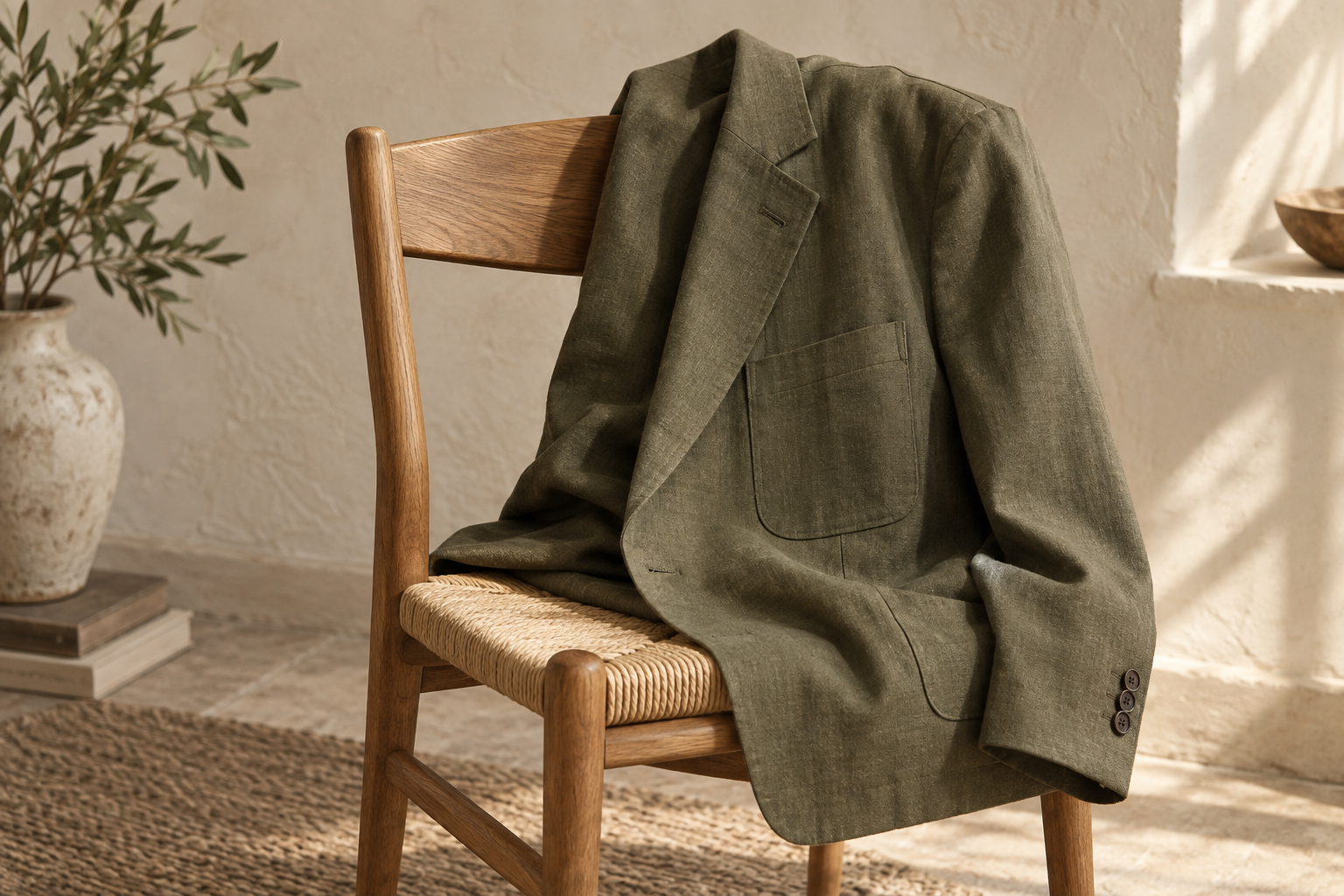
An unstructured navy blazer picked up as wedding-season stock clears. Checked at the rail like a full-price piece: lining lying flat, lapel roll even, sleeves a fraction short of the wrist so a shirt shows. Tailoring is the best July hunt because demand, not quality, set the original price.
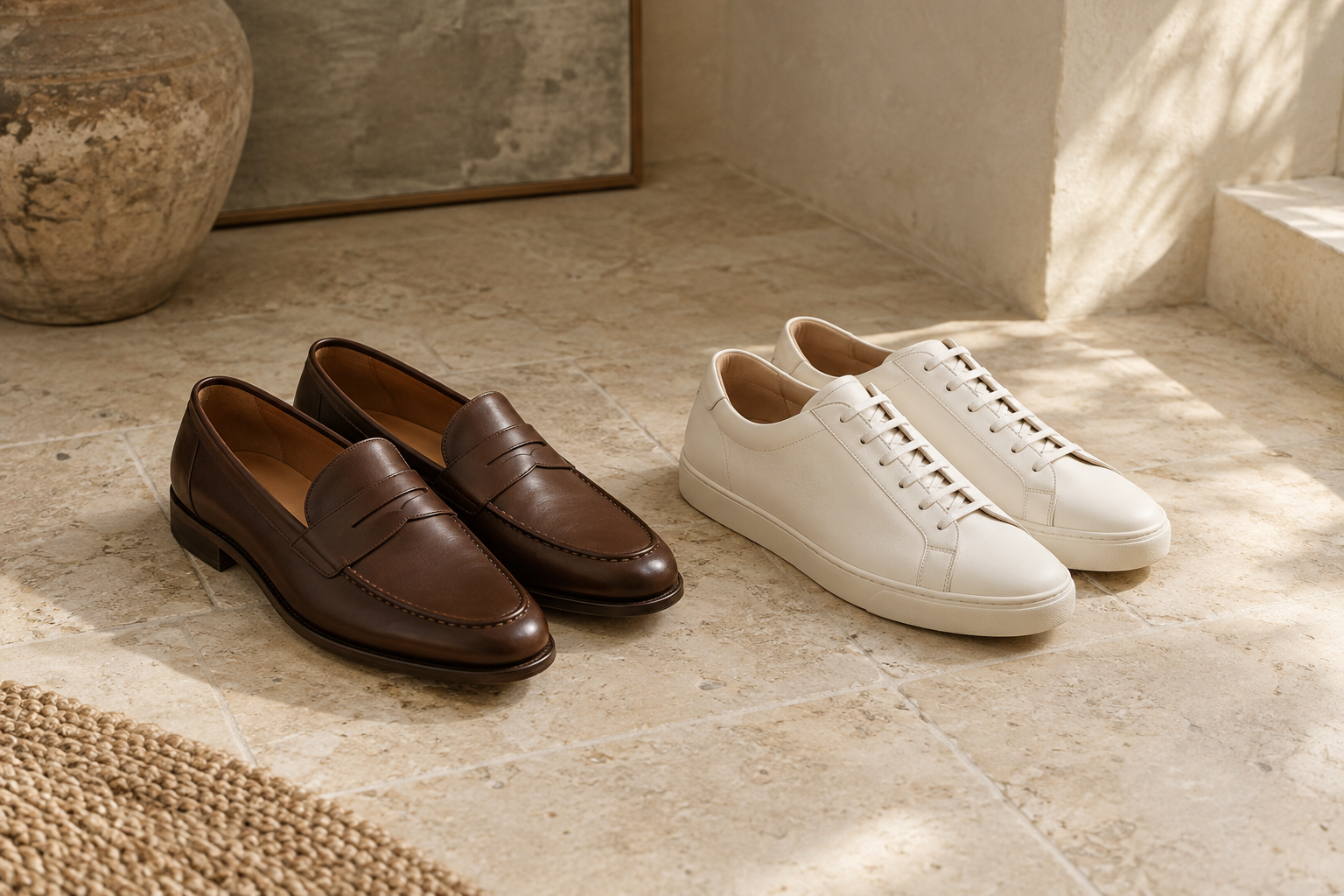
Socks, two plain tees and a belt in the size already worn at home — the only honest Black Friday basket. Every item was on a list written before the event, from brands whose sizing is known, at prices checked against the preceding weeks.
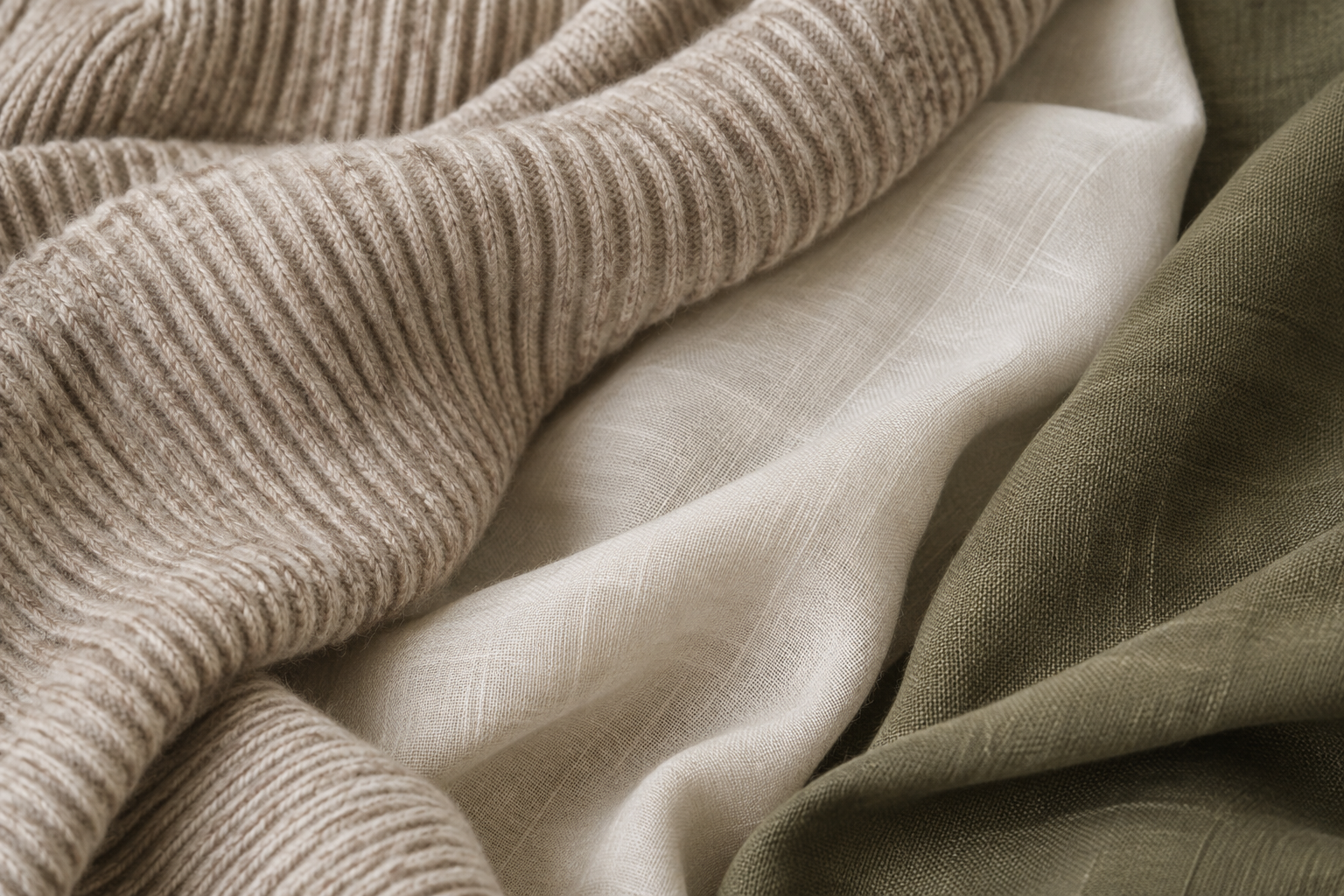
A cotton harrington in olive found in the June to July window, bought for the shoulder seasons. Mid-weight jackets like this are discounted when summer stock floods the floor, yet they get worn more weeks per year than most of the wardrobe — a high use-rate per pound spent.
What to Wear
How to build a wardrobe slowly, one payday at a time: the month-by-month buy order that looks put-together from week one, complete by month three.
What to Wear
Plus size menswear brands that cut for bigger bodies, not just size up: the ranked scorecard, big and tall fit priorities and best picks per garment.
What to Wear
Smart casual grooming calibrated to the dress code: the tidy, intentional, low-shine baseline for hair, beard, skin, nails and scent, plus a plan.