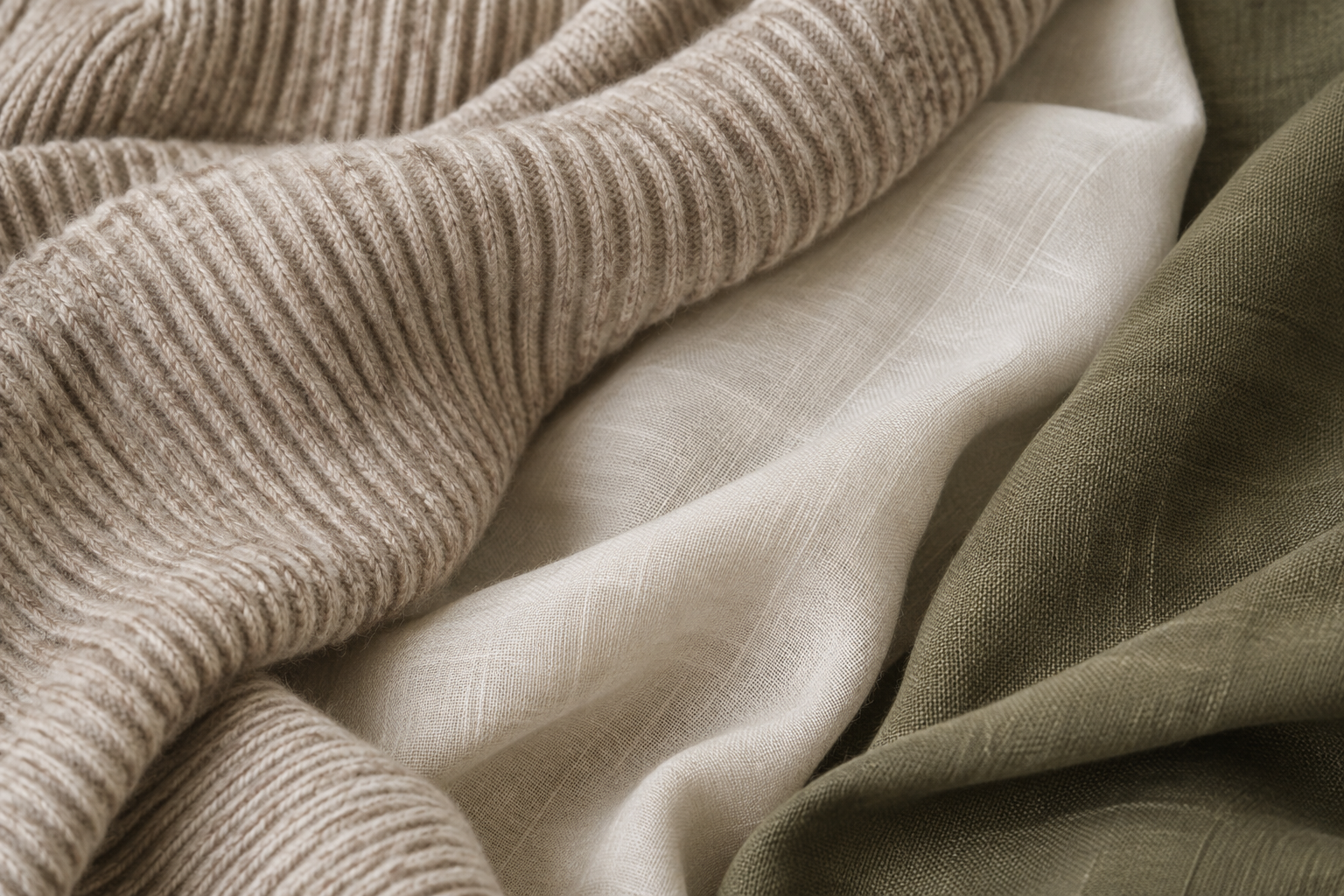
The hot-office variation
Drop the knit, keep the shirt, and let the oxford carry the structure alone. Short sleeves stay home; a rolled sleeve on a long-sleeve oxford reads smarter than a bush-shirt cut.
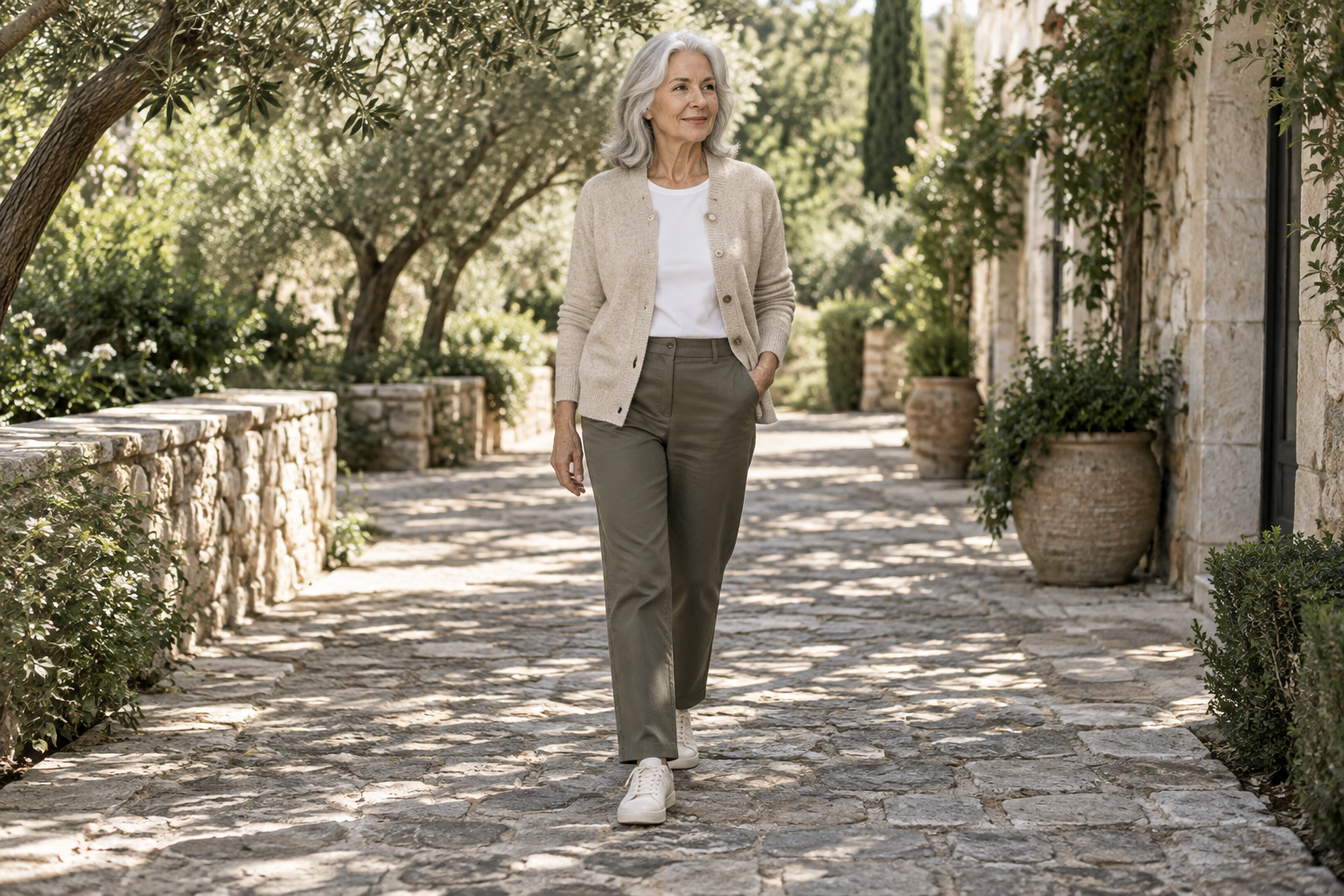
Budget wardrobe build
You do not need a big wardrobe to look smart casual — you need the right eleven pieces in the right order. Here is the itemised starter set, the in-store checks that keep cheap from looking cheap, and a build you can phase over three paydays.
Begin hereOccasion advice
Smart casual on a budget works because the dress code leans on fit and colour, not price tags. Buy the cheapest version of everything except the two or three pieces you will wear four or more times a week, keep the palette narrow, and the whole thing reads intentional. This page itemises the starter wardrobe, shows where budget clothes fail, and phases the build over three paydays.
Every piece above must unlock at least two outfits or it does not make the list. Two trousers times three shirts times two knits is already twelve work-capable combinations before shoes and layers enter. That interchangeability is the entire mechanism of dressing well cheaply — which is why colour discipline matters more than any single purchase.
Cheap smart casual fails in three predictable places: shirting so thin it shows through, trousers that bag at the knee by lunch, and knitwear that pills after three washes. All three are checkable in the aisle in under a minute.
Safe budget categories: oxford shirts, chinos, cotton and merino-blend knits, plain tees, socks. Categories where cheap usually shows: blazers, dress shoes, anything labelled faux leather, and outerwear. When a blazer becomes necessary, a slightly used mid-range one from a resale app or a good charity shop almost always beats a new one at the same price. Brand-level detail lives in the affordable menswear brands guide and the affordable womenswear brands guide.
Treat the targets below as planning numbers, not promises — high-street prices move with sales and seasons. The UK build draws on Uniqlo, M&S and Primark-tier basics; the US mirror uses Uniqlo, Target and Walmart-tier equivalents for the same categories.
| Piece | Where to look | Target band | Running total (UK) |
|---|---|---|---|
| Navy chinos | Uniqlo, M&S, Target | £25–£40 | £25–£40 |
| Second trousers, grey | Uniqlo, M&S | £25–£40 | £50–£80 |
| Oxford shirt, white | Uniqlo, M&S, Charles Tyrwhitt multi-buys | £15–£30 | £65–£110 |
| Oxford shirt, light blue | Same as above | £15–£30 | £80–£140 |
| Knit polo or third shirt | Uniqlo, H&M | £12–£25 | £92–£165 |
| Crew-neck merino-blend knit | Uniqlo, M&S | £25–£40 | £117–£205 |
| Minimal leather sneakers | High-street sports or shoe retailers | £30–£50 | £147–£255 |
| Plain leather belt | M&S, department stores | £15–£25 | £162–£280 |
| Overshirt or harrington | Sales rails, Uniqlo, H&M | £30–£50 | £192–£330 |
What is deliberately missing at the £200 mark: a blazer and leather dress shoes. That is the honest trade-off, not an oversight. The upgrade path for month two or three is one pair of brown leather derbies — the budget dress shoes guide narrows the options — and only then a jacket. If you want the expanded version of this list, the full capsule build from scratch takes it to twenty-plus pieces.
One more lever, and it is the strongest one: fit beats fabric at low price points. A £15 trouser hemmed to the right length outperforms a £40 trouser worn baggy. Most budget trousers only need a hem, and sometimes a waist take-in — the what can be tailored (and what it costs) guide explains where a small alteration pays for itself. And judge every purchase by cost per wear rather than price tag: a £40 trouser worn weekly is cheaper than a £25 one worn monthly.
Genuine leather dress shoes under £100 exist, but the choice is narrow and easy to get wrong — the budget dress shoes guide covers the honest shortlist. Until that purchase makes sense, clean minimal leather sneakers are a fully legitimate smart casual shoe, not a compromise you are hiding. For belts, one rule: a plain full-grain or top-grain leather belt at £20 beats a £10 bonded-leather belt that cracks at the crease within months. Skip at budget level: suede, loafers, and anything labelled faux leather.
Phasing beats one big basket for a practical reason: you learn what your actual life demands before the money is spent. The three-instalments plan expands this schedule month by month, and end-of-season sales are the multiplier — buying the same list two months later at 30 to 50 percent off is the cheapest quality upgrade there is. Second-hand adds another: blazers, wool coats and quality denim are the categories where used genuinely beats new-budget.
Can you look smart casual with cheap clothes? Yes. Fit, a navy-grey-white palette, and clean shoes carry the impression; the price tags in a smart casual room are effectively invisible at conversational distance.
How much should a beginner spend on a wardrobe? Somewhere in the £200 to £500 band covers a complete starter set. The lower end buys the eleven pieces here new; the upper end buys better shoes, or the same list partly second-hand and partly mid-range.
What is the first thing to buy? Dark trousers, always. They anchor more outfits than any other piece and fail the soonest when cheap.
Is Uniqlo good quality? Category by category: genuinely good for oxford shirts, merino-blend knits and chinos at the price; variable for outerwear; and it does not really do dress shoes, so that purchase belongs elsewhere.
BEFORE YOU CHOOSE
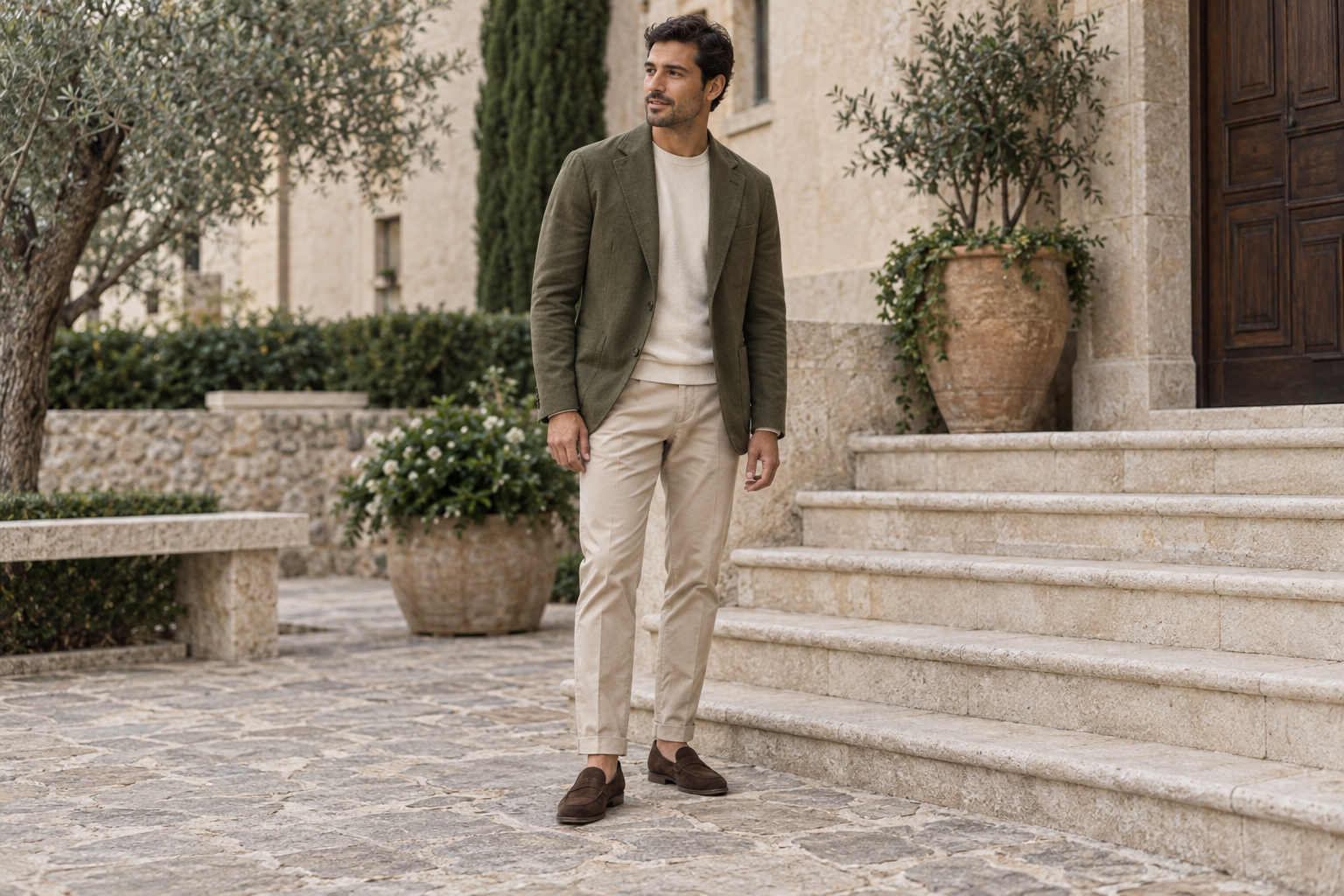
Navy chinos, white oxford shirt, navy merino-blend crew over the top, minimal white sneakers. Every piece came from the starter list, and nothing about the combination signals price — the knit-over-shirt structure does the visual work. The substitution to watch is shoe condition: scuffed budget sneakers undo the whole read.
Dark jeans, the knit polo, and the overshirt worn open. This is the same wardrobe on a Saturday, which is the point — no piece exists to serve one outfit. Swap the overshirt for the crew neck and it moves to dinner; that flexibility is the outfits-unlocked test passing in real time.
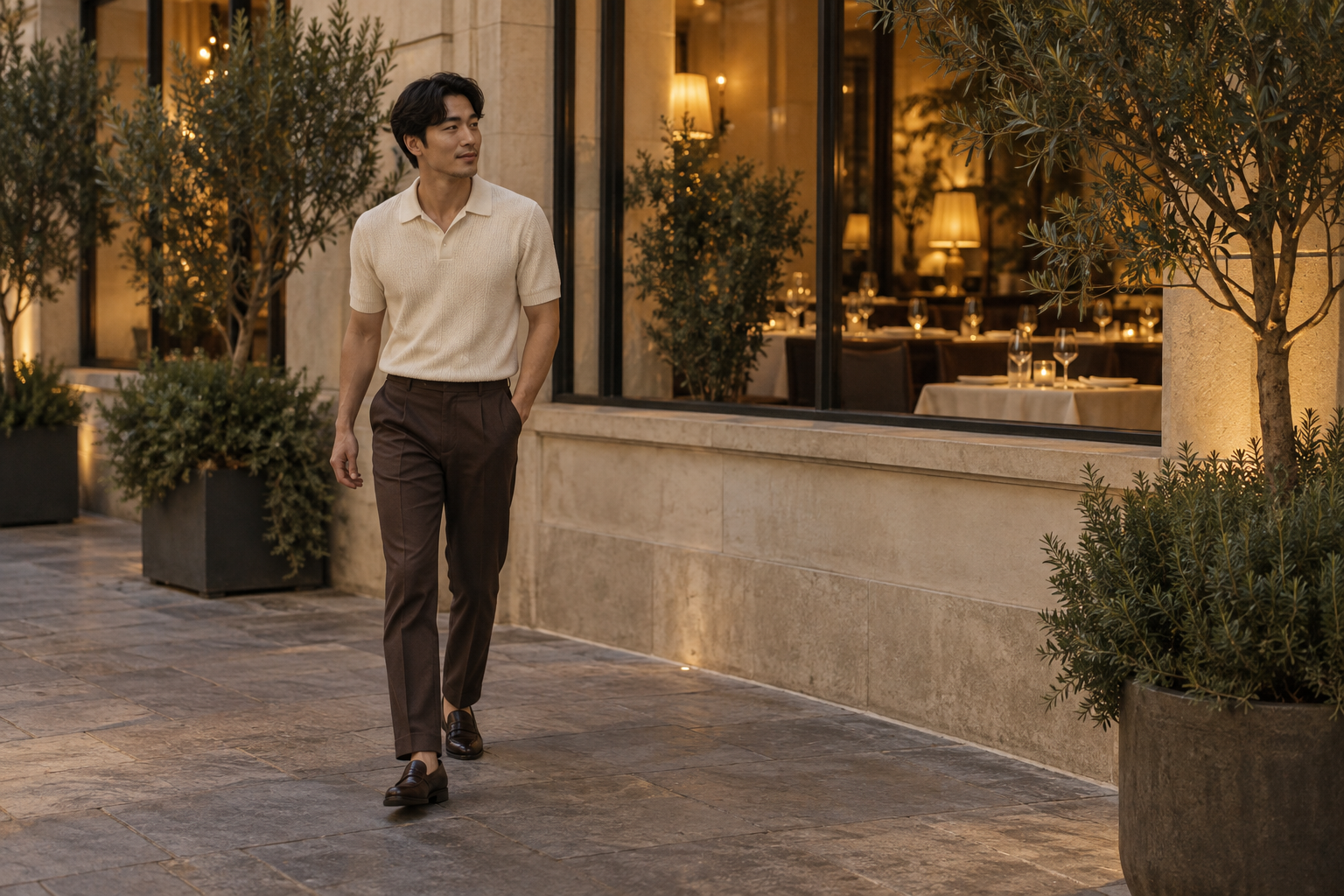
Grey trousers, light blue oxford with the collar out, the crew neck tied over the shoulders or swapped for the knit polo, belt matching the sneakers. It reads a notch smarter than the work default using only existing pieces. If evenings become routine, this is the outfit that justifies the derbies first.
Drop the knit, keep the shirt, and let the oxford carry the structure alone. Short sleeves stay home; a rolled sleeve on a long-sleeve oxford reads smarter than a bush-shirt cut.
Add the smartest layer you own — even a well-fitting overshirt — and swap sneakers for whatever leather you have. Borrowed formality from shoes and a layer covers most meeting rooms.
The same mechanism, different pieces: two pairs of tailored trousers, three tops, one knit, one jersey or shirt dress, minimal flats or sneakers. The affordable womenswear brands guide itemises it.
Audit first: most people own serviceable shirts and jeans and only need the connective pieces — the second trouser colour, the knit, the belt that matches. The build shrinks to two or three purchases.
What to Wear
Affordable menswear brands ranked for smart casual: which names to trust per garment, the honest scorecard, fit notes and a sample starter basket.
What to Wear
Affordable workwear brands for women ranked per garment: where trouser quality holds, where blazer quality starts, fit notes and a 10-piece basket.
What to Wear
The best denim wash for smart casual is dark indigo. The jeans formality scale, denim weight in ounces, raw versus washed, and keeping dye dark.