A temporary change to an orchestra's stage clothing does not automatically change what audience members may wear. In late June 2026, the Berlin Philharmonic reportedly relaxed clothing for its own players at an open-air heat-wave concert — jackets off for the men, elbow-length sleeves allowed for the women. This page is a retrospective read of that reported change, because the useful lesson is method, not news: check who a rule covers, which event it applies to and how long it lasts before you extend it to anyone else.
01 / THE DEVELOPMENT
The idea in focus.
02 / OUR INTERPRETATION
What it means in practice.
Our reading — and it is interpretation, not reported fact — is that conditional, well-communicated exceptions like this clarify rather than erode a dress code. By naming exactly which restriction lifts and which standards remain, the organisation shows what it considers essential. That template is what we recommend readers copy when judging how far any relaxed rule stretches.
A published exception is a masterclass in what a rule actually protects: the orchestra released the jacket and kept everything the jacket was standing in for — uniformity, restraint, deliberateness.
Who the change covered: performers on stage, not the audience
The reported exception applied to the musicians performing at the concert, not to anyone attending it. Reading that scope correctly is the whole game with dress rules, because a relaxation for one group is routinely misremembered as permission for everyone.
What actually changed — and what did not
The relaxation was real but tightly bounded. The orchestra released one garment restriction and kept every piece of the code that carries meaning.
Released for that concert
- Jackets for the male players
- Long sleeves — rolling up was permitted
- Strict sleeve length for women, relaxed to the elbow
Still specified
- Colour: black shirts for the men
- Coverage: women's sleeves no shorter than elbow length
- A unified, deliberate stage picture
That is the honest shape of most dress-code relaxations: a rule bends at its least formal edge while the core expectations hold. Guests and employees who read the change as a general green light usually over-read it.
A one-concert heat exception, not a new policy
The announcement was conditional on circumstances — an open-air concert in a heat wave — and framed for a single event. No source reported a standing change to the philharmonic's stage conventions. A temporary exception and a permanent rewrite can look identical in a headline, so the date and duration are what you should always hunt for.
The venue relaxed its dress code — so the rules are looser there now, for everyone.
One reported exception for performers at one heat-wave concert. Audience guidance on the orchestra's site is unchanged and already far more permissive than the stage code.
Heat exceptions follow a pattern worth memorising: comfort-driven, event-specific and announced in advance. When you next see a 'relaxed dress code' story, the first questions are who, where and until when.
Compare the announcement with the actual audience rules
Set side by side, the performer announcement and the orchestra's published visitor guidance answer completely different questions. This comparison is also the check to run for any venue you dress for.
| Question | Performer announcement (as reported) | Audience guidance (orchestra's site) |
|---|---|---|
| Who does it bind? | The musicians performing on stage | Visitors attending any Berliner Philharmoniker event |
| What does it say? | Men: no jackets, black shirts, sleeves may be rolled; women: short sleeves to at least the elbow | “This is Berlin. Our guests wear what they want, from suits and evening dress to jeans and t-shirts.” |
| Since when? | Announced for the 27 June 2026 concert, per Slippedisc's 26 June report | Standing published policy, current when checked 8–9 September 2026 |
| Does it expire? | Yes — framed for that one heat-wave concert | No stated end date; treated as the venue's normal guidance |
The punchline is that the audience rule was already relaxed further than the performer exception ever went. The two codes had different jobs: the stage code protects a uniform picture, the visitor code only manages behaviour and safety. Dress rules inside one organisation are rarely one rule.
How to read any relaxed dress code
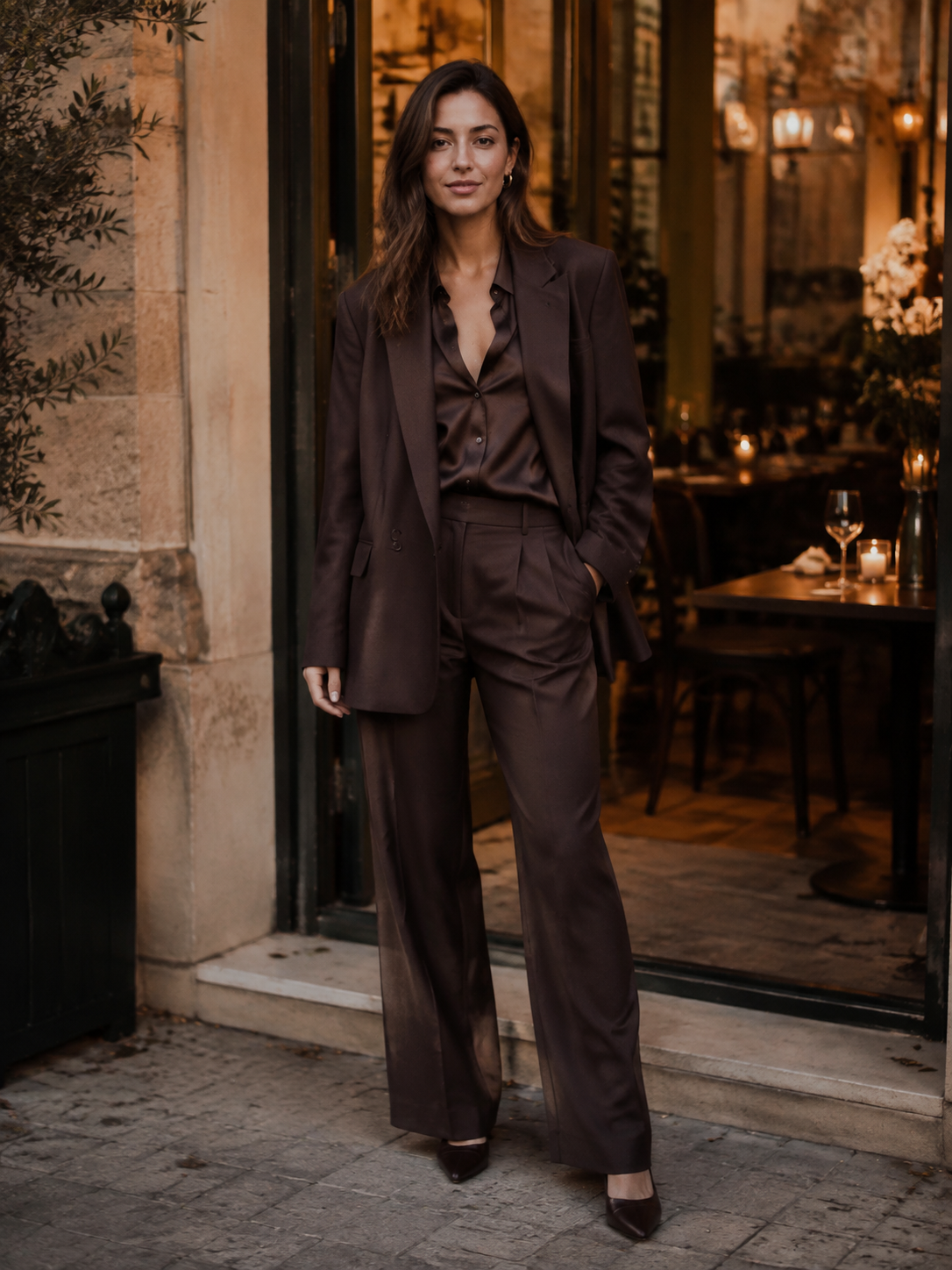
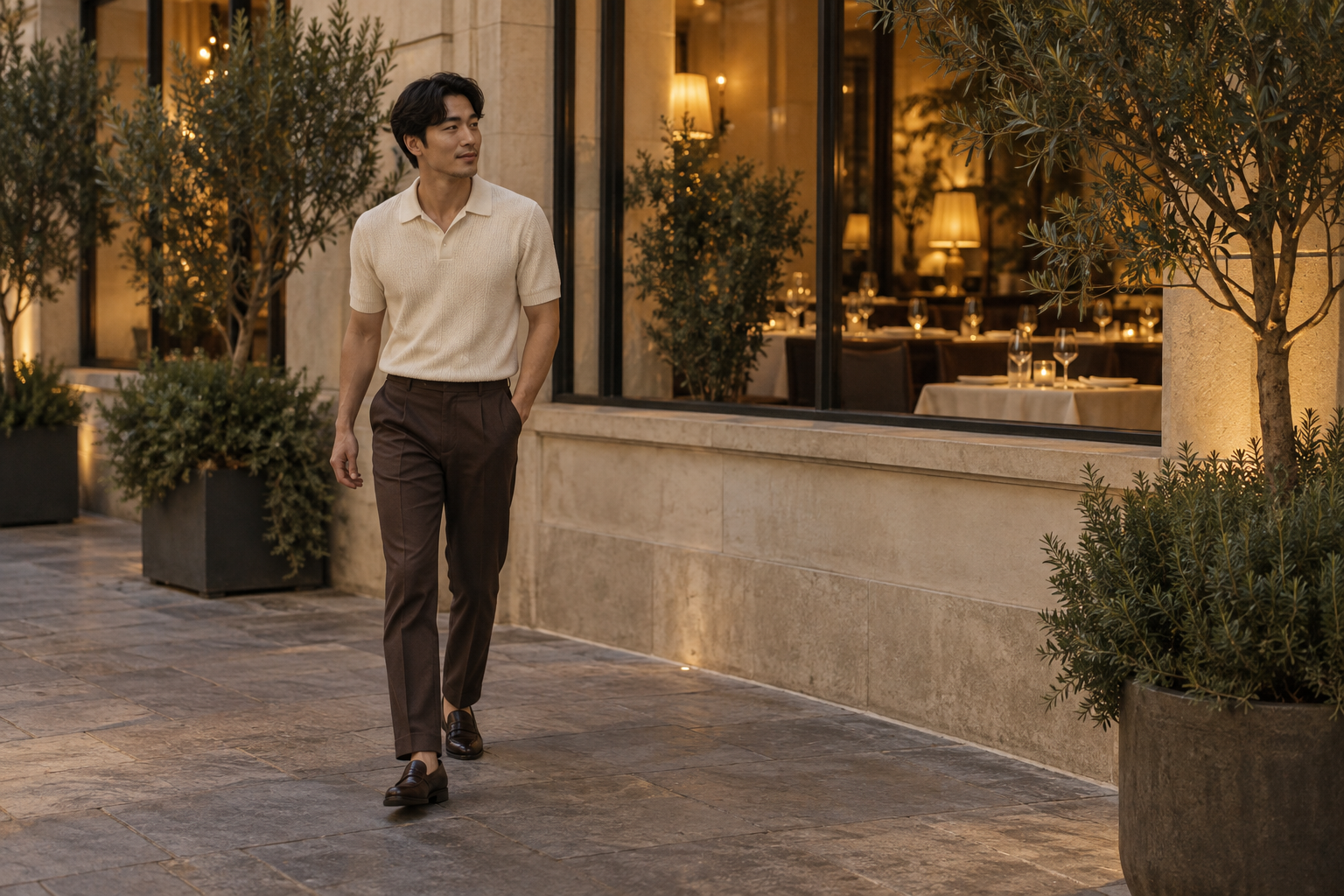
The useful part of this story is not classical music; it is the method. The orchestra kept the pieces of the code that carry meaning — a unified dark palette, covered shoulders, a controlled silhouette — and released the pieces causing discomfort. Smart casual settings work the same way: when a restaurant, club or office eases its rules, deliberateness survives and the named garment restriction goes.
- Find the subject: is the change written for staff, performers, members or guests?
- Find the event: one date and place, or a standing instruction?
- Find the duration: does the notice name an end, or a condition such as temperature?
- Replace, don't drop: when a jacket rule lifts, a structured alternative keeps the outfit deliberate.
Where this method continues
- How to Clarify an Unclear Dress Code ↗
The full question-asking method for any rule whose subject or duration is ambiguous.
- Smart Casual Outfits for Dinner and the Theatre ↗
Dressing for formal-adjacent venues where the audience code, not the stage code, is what applies to you.
Ask the venue before you assume
When a rule's scope is ambiguous, five minutes of asking beats an hour of guessing. Run this list before you commit to an outfit.
Questions that pin down who a dress rule actually covers:
- Does the notice name the group it addresses — guests, members, staff, performers?
- Is the change attached to one dated event or a named period?
- Does it state an end point, or a condition (weather, season, trial)?
- Does the venue's own current visitor page agree with the headline you read?
- If it is ambiguous in writing, has anyone confirmed it by phone or email in writing back?
FROM THE STORY TO YOUR WARDROBE
Take the useful part.
Sources & further context.
- Heat wave: Berlin Phil relaxes dress code — Slippedisc, 26 June 2026
Source of the performer announcement (jackets off, black shirts, rolled sleeves; elbow-length sleeves for women) for the 27 June concert. Secondary report; the orchestra's own dated notice was not located, so announcement details remain attributed to this report.
- End-of-season concert at the Waldbühne, 27 June 2026 — Berliner Philharmoniker
The orchestra's page for the “Viva Italia!” open-air concert of 27 June 2026. Independently confirms the event and date, and carries the venue's visitor heat advice: hydration, sun protection and light clothing. Checked 8–9 September 2026.
- Plan your visit: dress code — Berliner Philharmoniker
The orchestra's standing audience guidance: “This is Berlin. Our guests wear what they want, from suits and evening dress to jeans and t-shirts.” Confirms audience dress was never restricted the way stage dress is. Checked 8–9 September 2026.