What to Wear
Harrington Jacket Smart Casual: Harrington vs Bomber, Outfits and Rules
Harrington jacket smart casual rules versus the bomber: which passes where, the fabric that decides it, five outfits, and the mistakes that read sporty.
Winter layering
A winter dress still has to survive the journey. This is the coat hierarchy that keeps the dress intact from door to door, plus the wrinkle, static and sweat fixes that make occasions painless.
Begin hereInspiration
The rule behind every look here: the coat is transport, the dress is the outfit. Choose the coat to protect the dress rather than compete with it, and plan the indoor layer first — what you look like at the table is the actual outfit.
Yes, ideally — a coat hem at or below the dress hem does three jobs at once. It gives one continuous line instead of a hem clash, it actually insulates the calves, and it stops the skirt from peeking out in two lengths. A shorter coat is a legitimate silhouette choice with a straight or shorter dress, but with a midi it is mostly a cold gap.
If you are petite, the exception is a floor-sweeping coat, which swamps a shorter frame — let the hem stop within a hand's width of the ankle rather than at the ground. The proportion notes in the midi skirt outfit guide apply to coat hems too.
The long wool coat is the best answer because column dressing wins with midis: no hem competition, warmth the whole way down. Fit matters more than style here — a coat sized for knitwear may not close over a gathered or pleated midi, so run the closure test before the day of the event. The honest workaround if it will not close: wear it open all night and own the drape, but then the dress fabric needs its own warmth plan underneath.
Belted wrap coats are the tempting second choice. Over a sheath, the belt defines the waist and works. Over anything gathered, the belt crushes the dress into wrinkles you will wear to dinner. Open with the dress's own belt visible is the safer version of the same look.
What you wear at the table is the outfit, so plan it first. A fine cardigan over a dress works when the gauge is fine, the hem hits at the hip bone or higher, and the neckline does not fight the dress's own. Cropped knits emphasize the skirt; hip-length knits streamline it — match the length to where the dress's waistline actually sits.
A crew-neck sweater over a slip or shirt dress is the season's useful trick, with one safeguard: belt it at the waist or the whole look goes shapeless. The gauge and layering details are the same ones in cardigans as jacket alternatives.
| Problem | Cause | Fix |
|---|---|---|
| Wrinkles | The coat pressed the dress for an hour in the car | Hang the coat, never wad it; choose wrinkle-resistant dress fabrics or steam on arrival |
| Static | Synthetic coat lining over tights over a synthetic dress | A slip or slip shorts as a barrier, a static spray in the bag, or a cotton-blend coat lining |
| Sweat | A zipped-to-the-chin puffer over an occasion dress | Wear the coat open from the car, use a scarf as a neck barrier, and pick a breathable dress fabric |
For the car journey itself, take the coat off en route and lay it flat on the back seat, and hang the dress if the trip is long enough to matter. A bathroom steam on arrival — hot shower running, dress on the door — fixes transit creases in ten minutes. More rescues live in the wrinkle fixes without an iron guide, which works for dresses too.
Yes — at the door or at coat check, which is why the outfit underneath must be complete on its own. The coat check reality also means the dress has to survive being folded over a hanger for hours: heavier crepe and jersey recover better than fine satin. For the full guest outfit, not just the coat, see a men's winter wedding guest look.
You can, and in deep cold you should — but open, not zipped to the chin. A zipped puffer over an occasion dress delivers you flustered, static-charged and creased. Open from the car with a scarf at the neckline, and take it off the moment you are indoors.
For the men's equivalent of the same winter problem, the overcoat logic runs in parallel in the overcoat and topcoat guide.
6 looks to explore
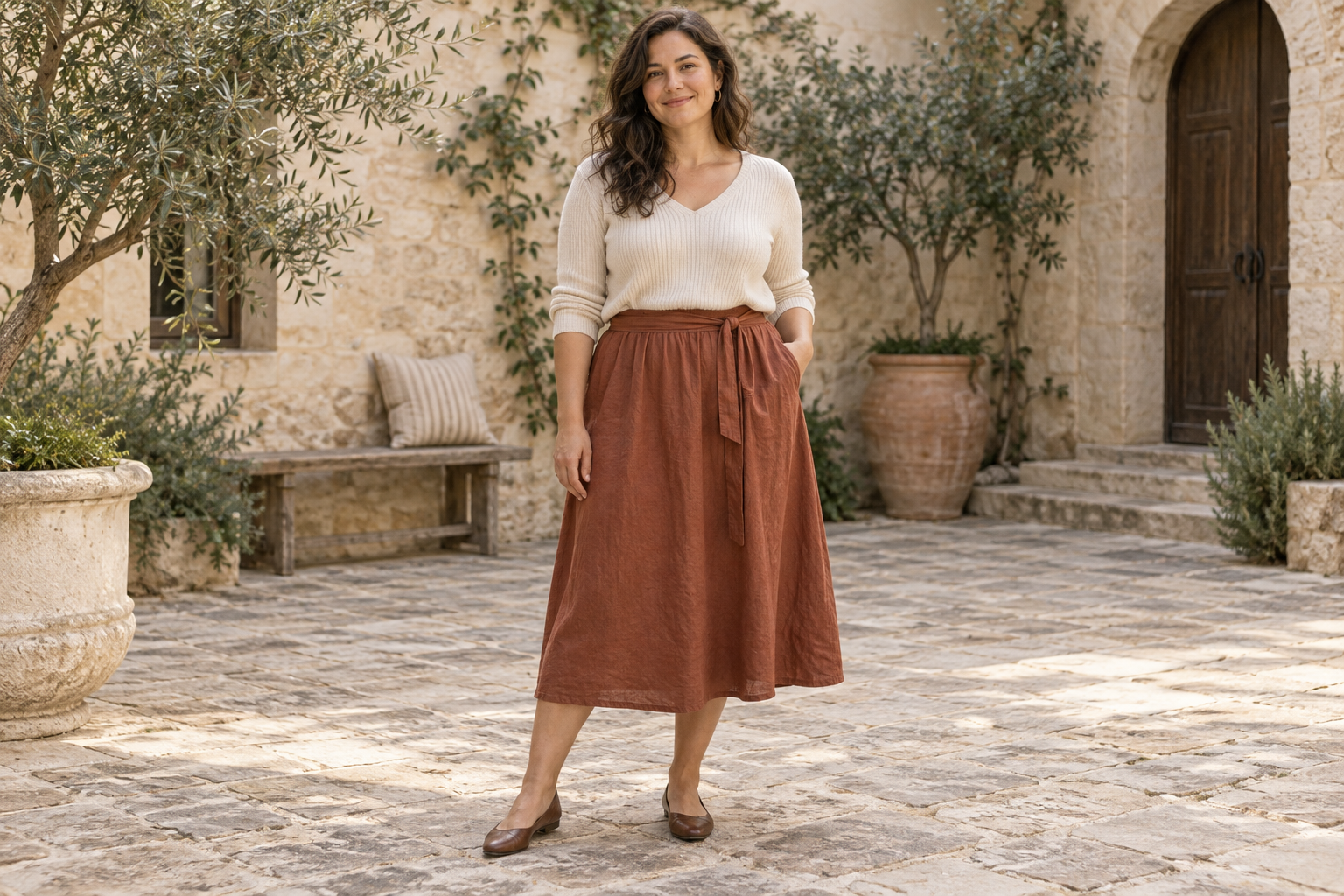
The best answer for occasions. The coat hem sits at or below the dress hem, giving one continuous line and actual warmth to the calves — no hem clash, no cold gap.
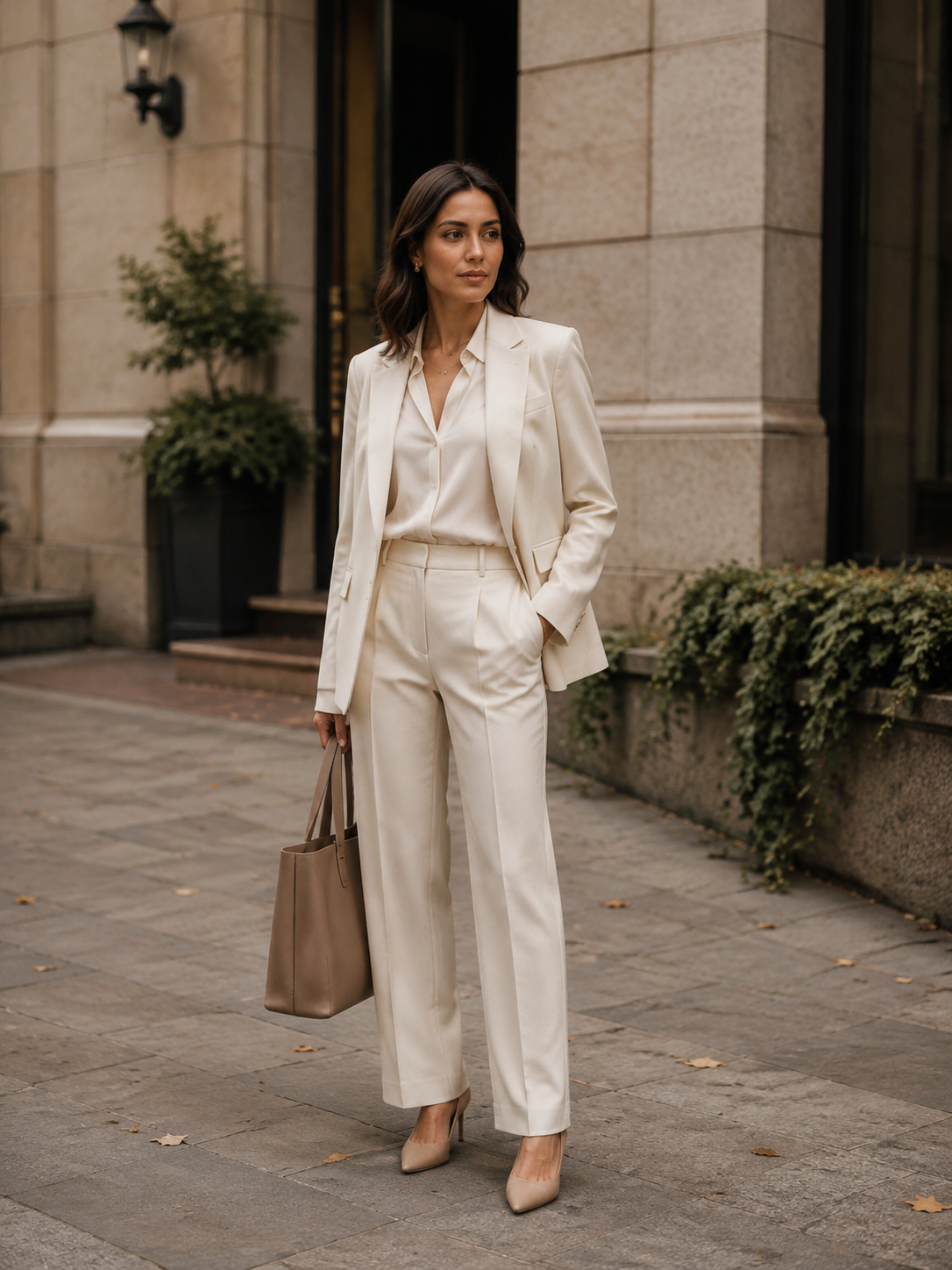
The office default. Mid-thigh clears the commute without bunching on transit, and the tailoring answers the dress so neither reads as an afterthought.
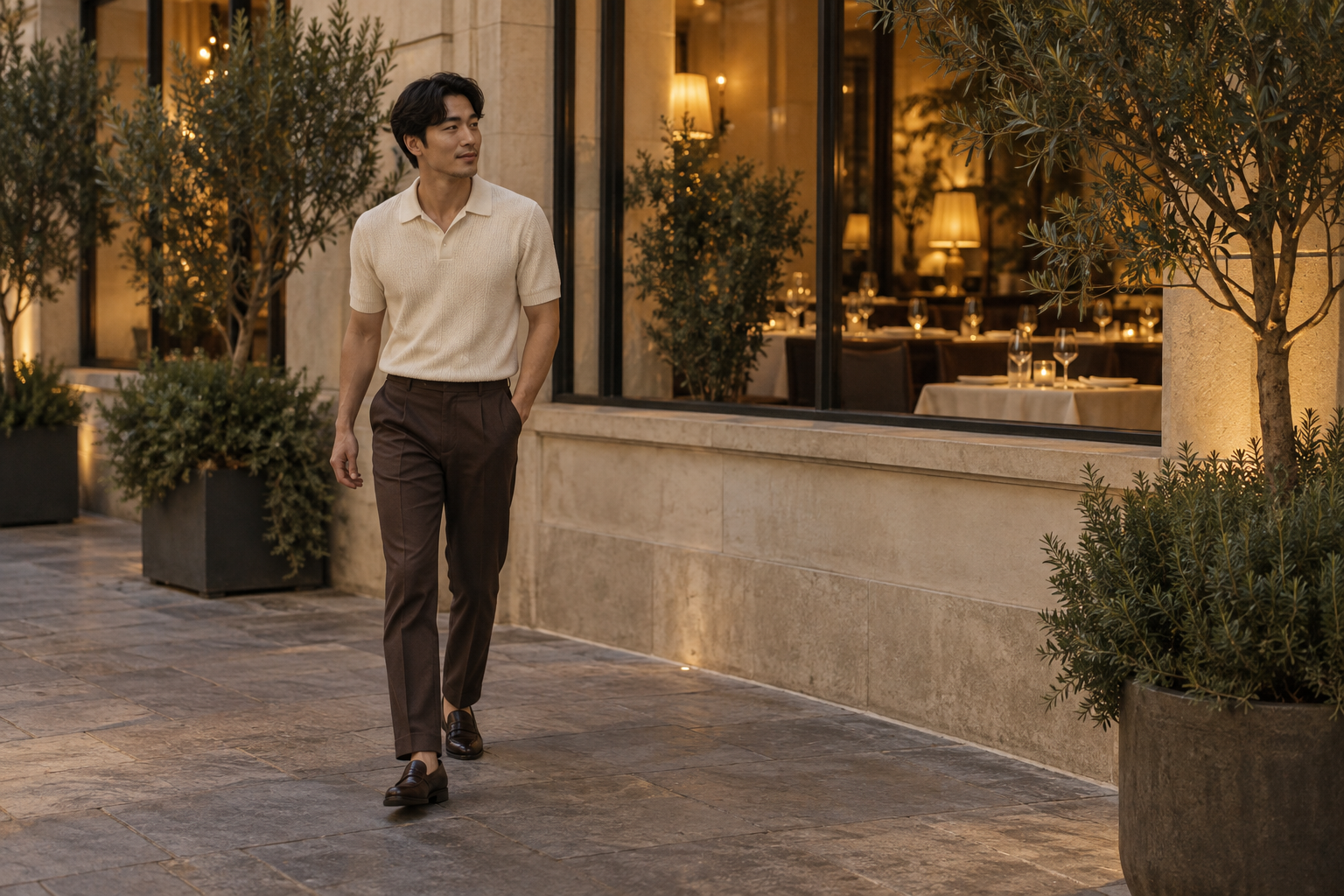
Open, not belted: the coat's own belt crushes the dress underneath. Worn loose over a dress with its own visible belt, the waist still shows and the silhouette survives.
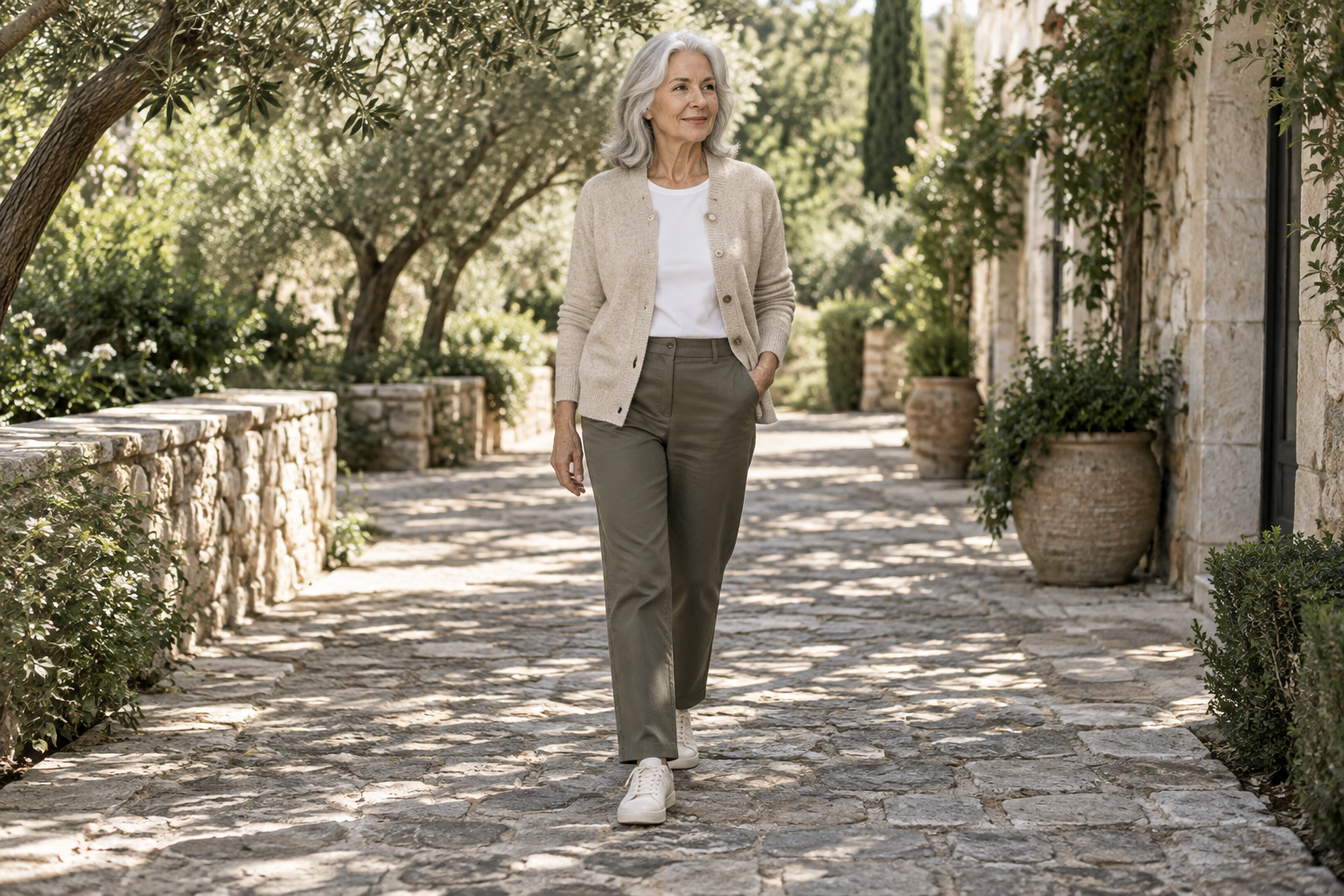
The casual end. A hip-length jacket over a chunky knit dress keeps the proportion stacked at the hip, and sneakers or flat boots finish the weekend read.

When the dress is plain, a deep green or burgundy coat becomes the outfit's headline — the winter version of letting one piece do the talking, and it photographs well at coat check.
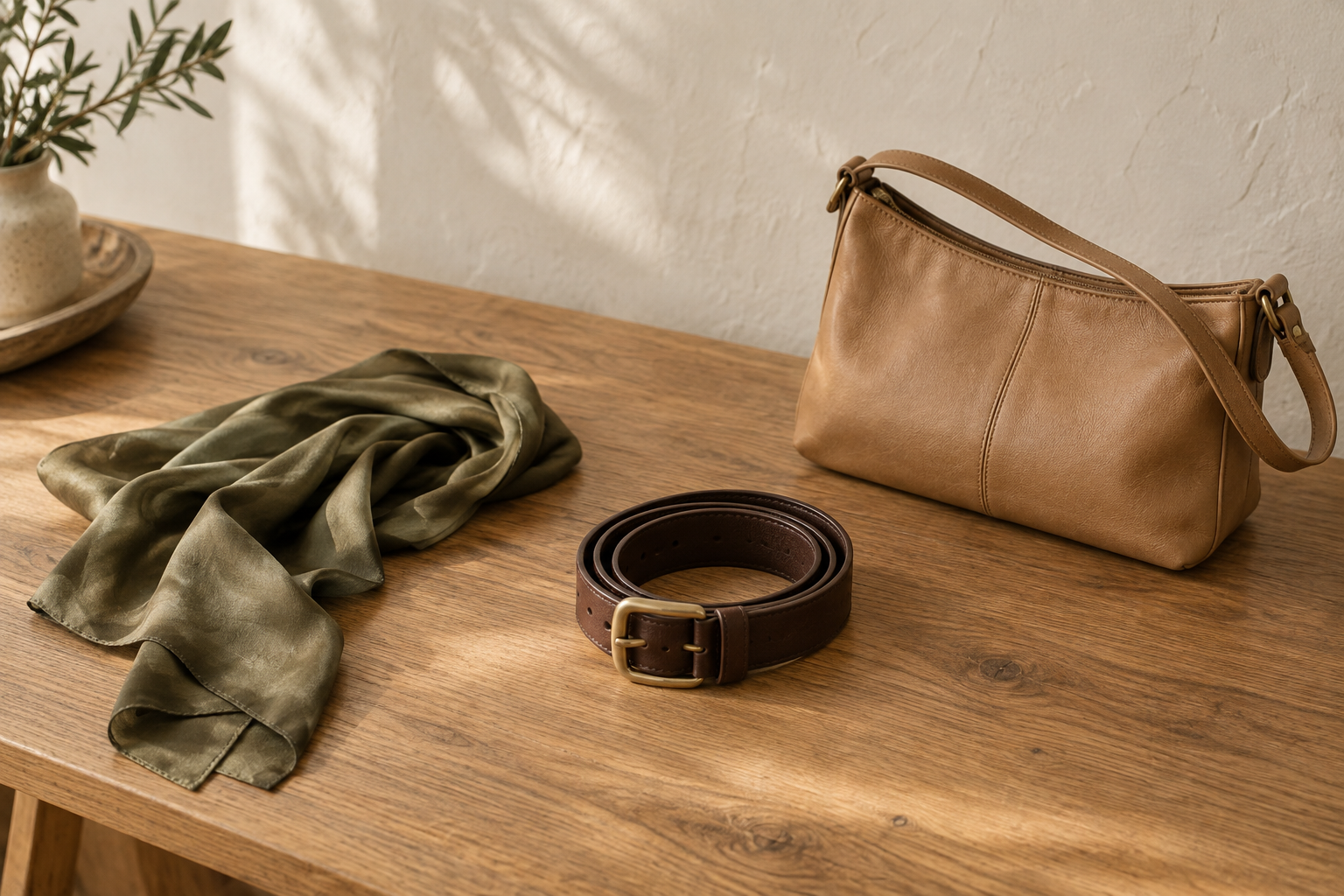
The warmth-first fallback, done properly: unzipped from the car to the door, with a scarf at the neckline so the dress fabric never meets the zip or the sweat.
What to Wear
Harrington jacket smart casual rules versus the bomber: which passes where, the fabric that decides it, five outfits, and the mistakes that read sporty.
What to Wear
Cardigan instead of blazer: the gauge-and-buttons formality scale, men's and women's office formulas that avoid frumpy, and the care that keeps it sharp.
What to Wear
Best fabrics for smart casual in tiers: wool and oxford cotton up top, linen blends and dark denim in the middle, and the synthetics that look cheap.