What to Wear
Cost Per Wear: The Formula That Tells You If Expensive Clothes Are Worth It
Cost per wear explained: the formula, honest wears estimates, ownership-cost corrections, and when the math justifies expensive clothes, or rules them out.
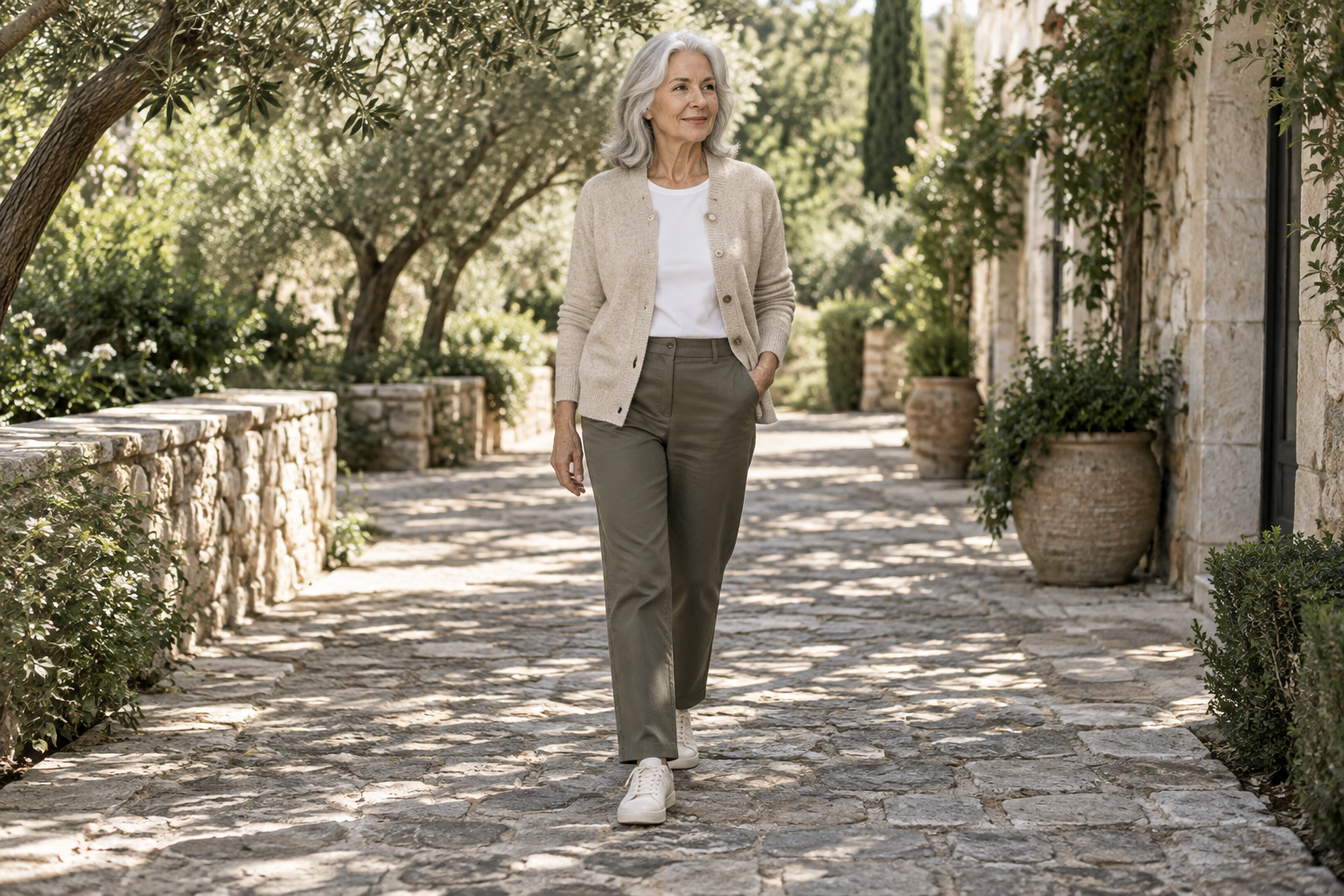
Second-hand strategy
Second-hand is the biggest price-versus-quality loophole in smart casual: tailored jackets, wool coats and real knitwear change hands for a fraction of retail. It only works with rules — shop by category, inspect before you commit, and buy by measurements, never by size label.
Begin hereInspiration
Secondhand work clothes reward a specific kind of shopping: you are not looking for anything that fits, you are hunting named categories that second-hand markets price absurdly low. The collection below shows the six look-types that justify the hunt, with the checks that separate a find from a donation-bound mistake.
Tailoring-heavy garments dominate the second-hand win list for a structural reason: a decade ago, mid-range blazers and coats were built to standards today's fast fashion does not reach at triple the thrift price. When someone donates a half-canvas blazer worn twice a year, the market prices the label's obscurity, not the construction — that gap is your margin.
The categories worth the most — wool tailoring, heavy coats, real knitwear — are exactly the ones the investment pieces framework ranks highest for new-money spending too. Second-hand simply prices them lower because they need a patient hunter instead of a marketing budget.
Online, Vinted, eBay and Depop reward search discipline over browsing: filter by fabric and brand, save searches for your green-list items, and use the measurements sellers provide rather than the size in the title. Buyer protection differs by platform and payment method, so read the current terms before you buy — platforms change them, and the difference matters most on higher-value tailoring.
In person, charity and thrift shops run on restock rhythm: weekday mornings beat weekend afternoons, and wealthier neighbourhoods donate more than they sell locally. Vintage shops charge for curation, which is worth it when their tailoring rail is genuinely edited, and estate sales are where serious suit finds surface at prices the vintage stores would triple.
Fabric first, always. Read the content label, weigh the garment in your hand, and pill-test knits by rubbing the sleeve — pilling that is already loose means cheap fibre, and it only gets worse. Construction tells come second: functioning sleeve buttons, a canvas chest you can pinch, hand-finished lapel edges, and a lining without wear at the elbows or armpits.
Triage damage honestly: a missing button, a dropped hem or a small open seam are fixable cheaply. Moth holes, stains near collars and cuffs, and a dead zipper on trousers are walk-aways — the repair costs more than the garment is ever worth. For online buys, ask for flat-lay measurements against a tape and macro shots of labels and any flaw in natural light.
The ruler-before-cart rule does all the work: compare the seller's flat-lay measurements to your best-fitting garment measured the same way, and skip anything in between. Know your chest, sleeve, shoulder, waist and inseam cold, because vintage sizing ran smaller than modern labels and the tag is decoration. Buy slightly large where alterations are cheap — the online sizing strategy covers the method — and the tailoring costs guide tells you which fixes are worth it.
Everything gets cleaned before its first wear — wash what the label allows, dry-clean wool tailoring, and air knits properly. Wool finds deserve moth prevention from day one: cedar, clean storage and the habits in the storing seasonal clothing guide. Small upgrades transform thrifted pieces: replacement buttons on a blazer, a proper hem, a cobbler once-over on near-new leather.
If a flaw surfaces at home, photograph it immediately and open a platform dispute inside the stated window — screenshots of the original listing are your evidence. Overall, the hybrid wardrobe is the endgame: second-hand tailoring and outerwear anchored by new basics, with the wider budget context in the smart casual on a budget plan. And when the time cost of hunting exceeds the saving, buying new is the rational choice — the loophole is an option, not an obligation.
Is it OK to wear second-hand clothes to work? Nobody at your office can tell where a clean, well-fitting garment was bought — the practical work is in cleaning, fit and condition, not provenance.
What should I not buy second-hand? Shoes, white shirts, anything fit-critical without returns, and anything with moth holes or collar stains — repair costs exceed the value every time.
How do you find good clothes at charity shops? Shop the tailoring and knitwear rails on weekday restock mornings, judge by fabric and construction rather than size, and keep a written list so you buy the find instead of the impulse.
6 looks to explore
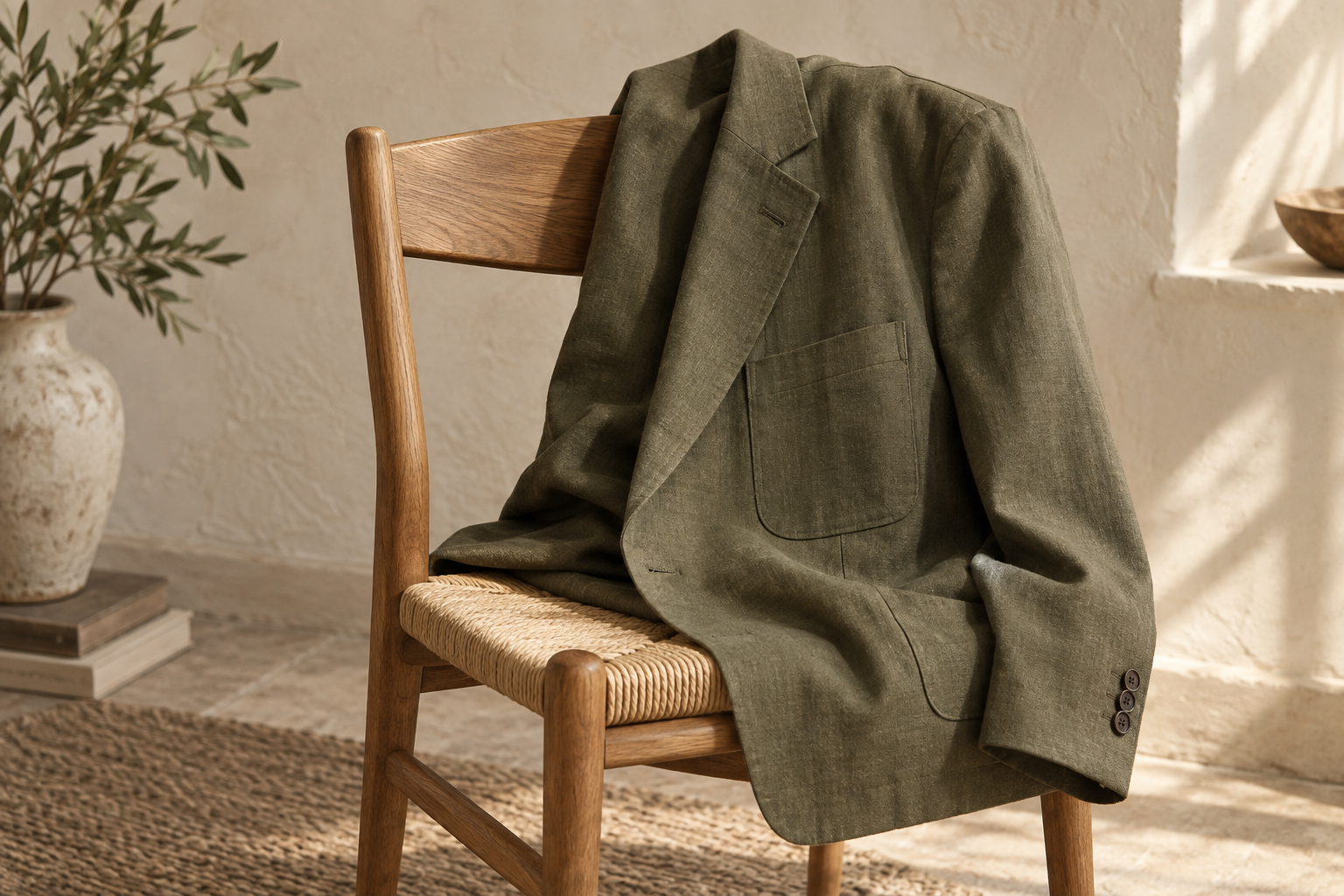
Older mid-range blazers carry half-canvas construction and honest wool that today's entry level rarely matches at any price. Pinch the chest away from the lining, check the sleeve buttons move, and inspect the lining at the armpits — a clean one is a decades-long jacket.

Vintage coats run heavier cloth than most new coats at twice the price, which is exactly why they hunt well. Weigh it in hand, check the pockets and hem for moth damage, and hold it up at the shoulder — shoulder alterations on coats cost real money, so the shoulder must already be right.

Quality knitwear depreciates to pocket change while staying perfectly wearable. Read the fibre label, stretch a cuff and check it springs back, and hold the body to the light — pinprick holes mean moths, and no price fixes that.
Raw and quality denim is one of the few garments that can genuinely improve with a previous owner. Check the waistband and inner thighs for wear-through, since that is where used jeans die, and buy by the flat-lay waist measurement because the label lies.
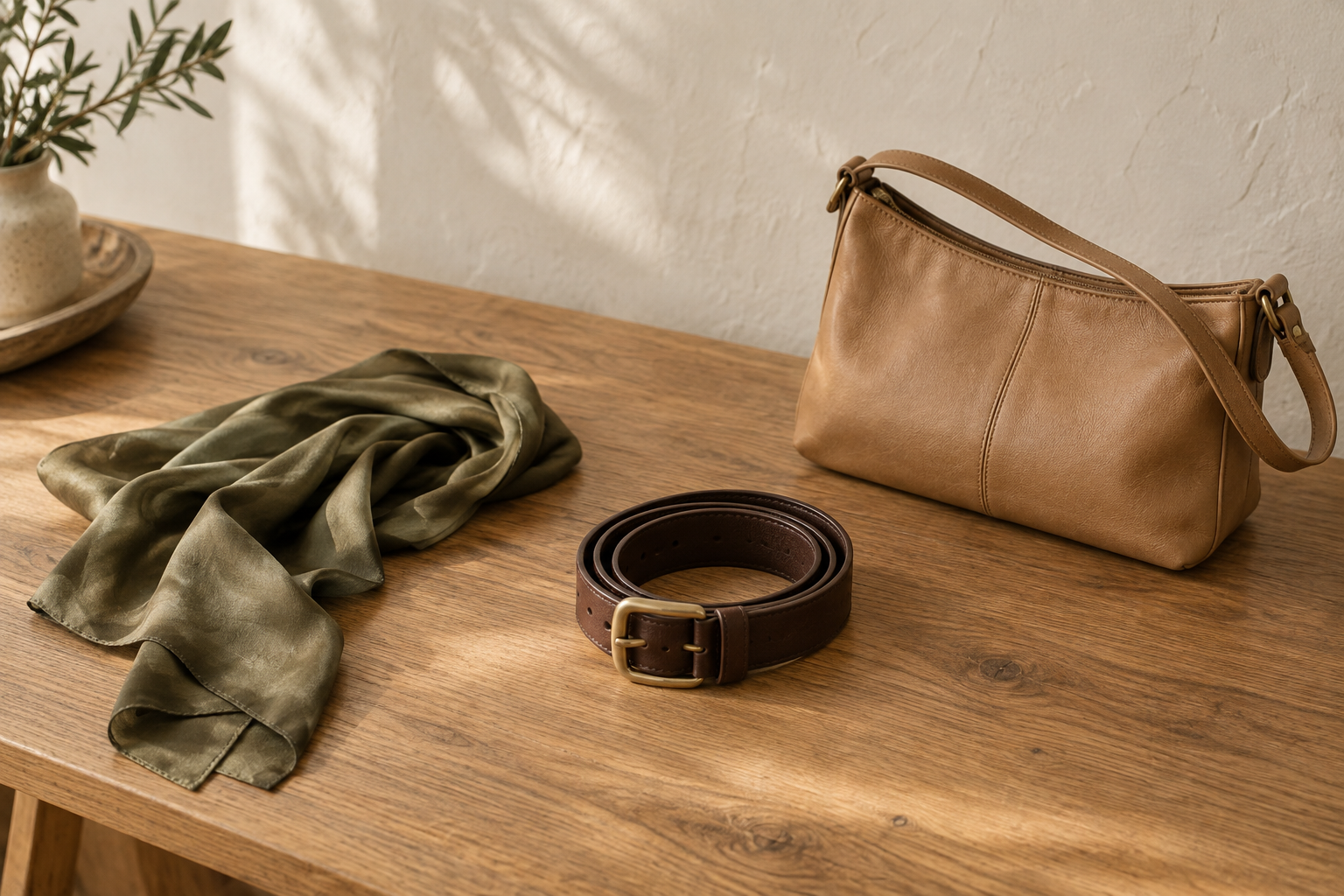
Good leather softens and darkens with use instead of peeling, so second-hand examples often look better than new ones. Check the strap underside for cracking at the buckle holes on belts, and stitching at the handles and corners on bags.
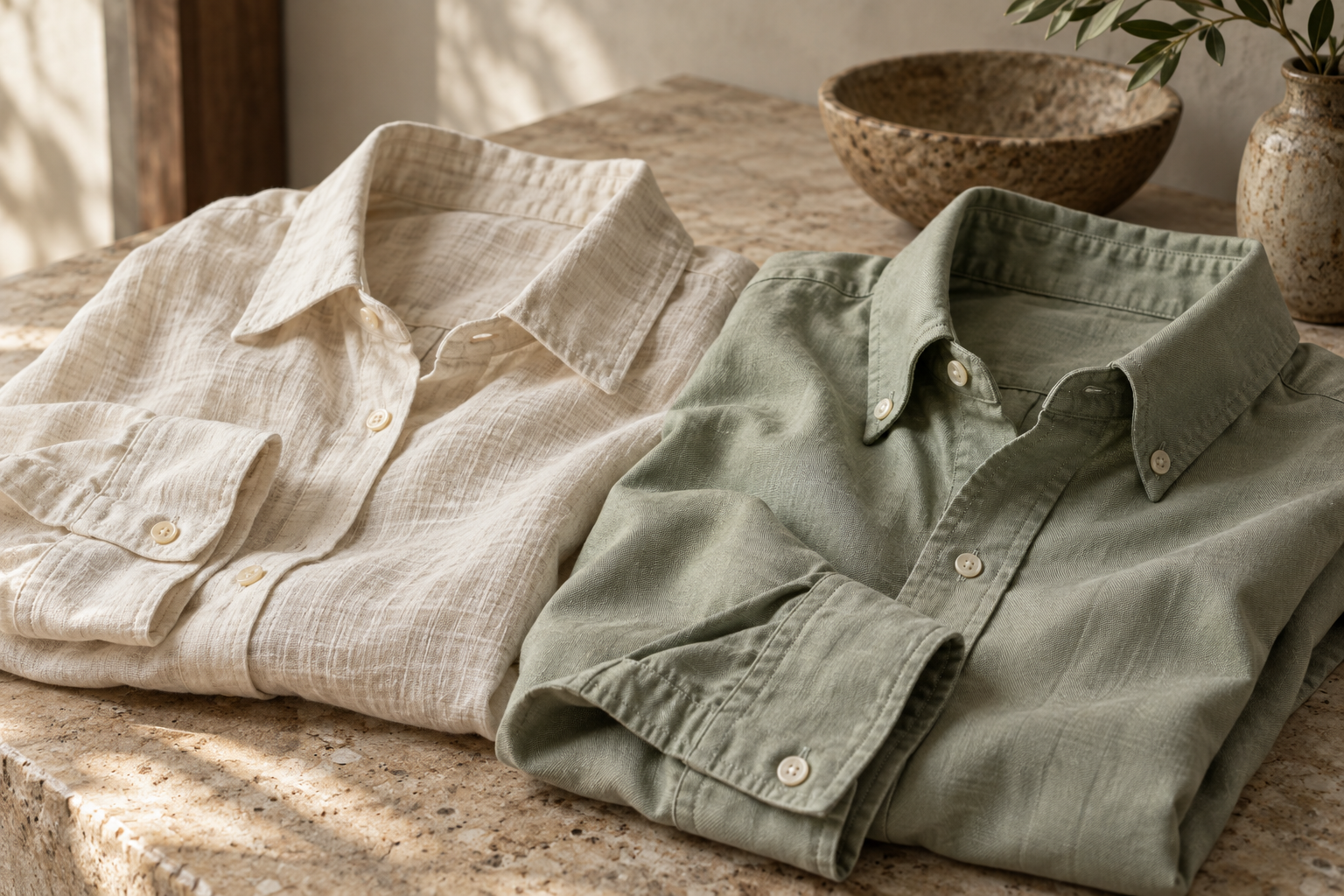
Shirts are normally a buy-new category because collars and cuffs tire first — the exception is unworn pieces with tags, common on resale platforms. Verify the collar points are crisp and the fabric holds no yellowing at the folds before treating a shirt as a find.
What to Wear
Cost per wear explained: the formula, honest wears estimates, ownership-cost corrections, and when the math justifies expensive clothes, or rules them out.
What to Wear
A clothes online sizing guide: measure a garment that fits, read the chart, order two sizes, and use returns so every online order arrives close to right.
What to Wear
Clothing rental for events, honestly: the test for when renting beats buying, the damage and sizing fine print, and the event-by-event decision table.