What to Wear
How to Unwrinkle Clothes Without an Iron: Every Rescue Trick, Ranked
How to unwrinkle clothes without an iron: the shower steam trick, the dryer ice cube trick, sprays, and a fabric-by-fabric table of what is safe.
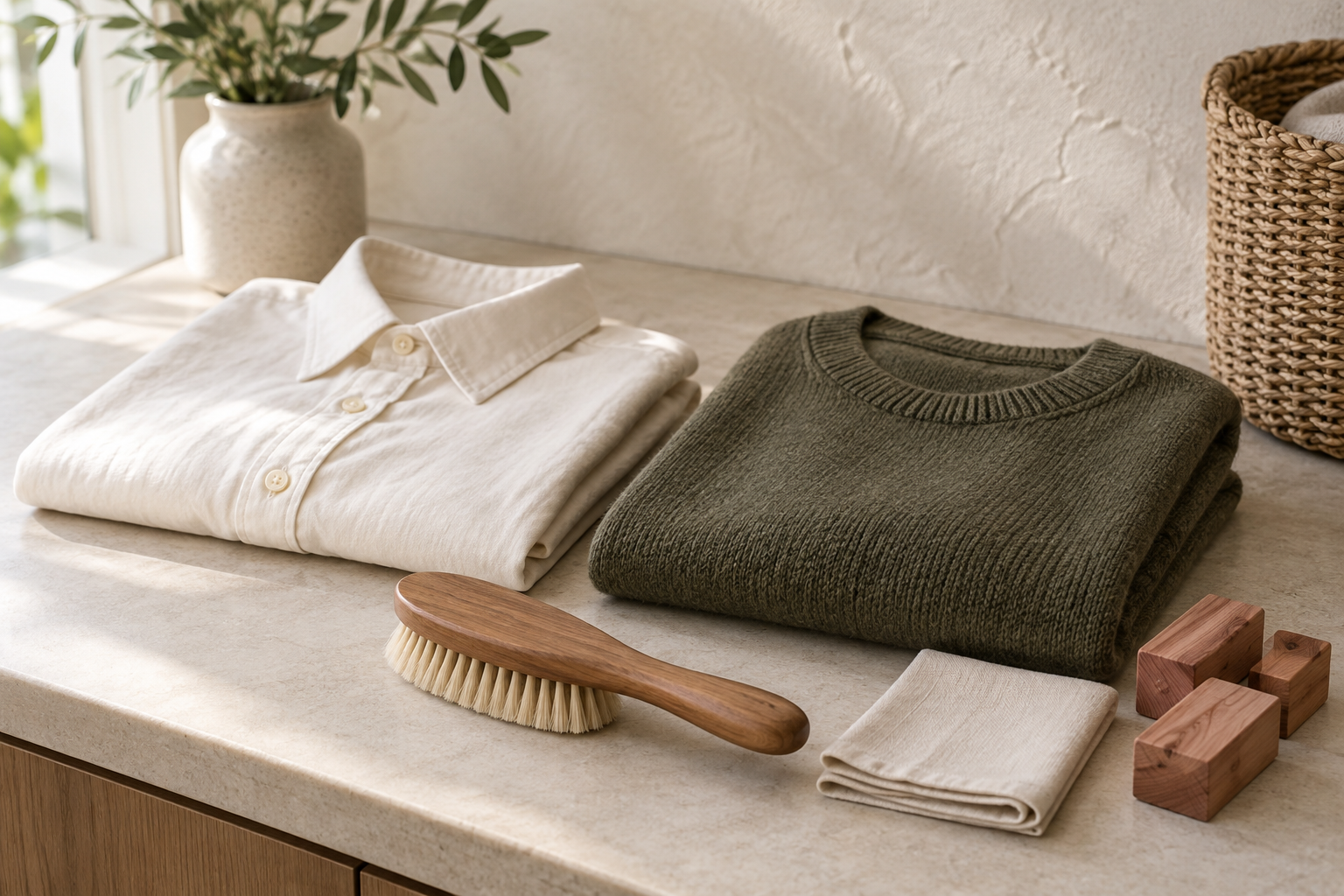
Care rescues
You are dressed, ready, and ten minutes from leaving — and now there is a mark on your shirt. These are the fast fixes for the six most common outfit disasters, using things already in your kitchen.
Begin hereInspiration
Every rescue below is indexed by the disaster you actually have, ordered by speed, and done with dish soap, cold water and things already in your bathroom. None of them is a full wash — they are holding actions that get you out the door presentable, with the proper treatment saved for tonight. Start with the scenario that matches the mark in front of you.
Browse the scenarios below like a menu — each one is the situation, the two-minute fix, and what it achieves when you are truly out of time. The filter categories group them by cause.
Fresh white deodorant marks lift with friction alone. Rub the marked area with the fabric itself, a dryer sheet, or the inside of a clean sock — the streak disappears in seconds, which is why this is the fix to try first, always.
Set-in marks — the yellowed or crusty kind — need a damp cloth with a drop of dish soap, blotted rather than scrubbed. For stubborn marks on sturdy fabric, a pair of nylon tights buffed over the area works surprisingly well. For the future: let antiperspirant dry fully before dressing, because wet product transferring onto fabric is what creates the streaks. This whole fix takes less time than finding your keys.
Blot the drip, then run cold water through the back of the fabric. That handles black coffee and tea on their own. If the coffee had milk, follow with a dab of dish soap — the milk is a protein stain and the coffee a tannin one, so the two-step is genuinely two steps.
To dry fast, a hair dryer at a distance with constant motion, or the honest fallback: wear it slightly damp under a jacket and let body heat finish the job. If the stain is from yesterday and already set, expect far less from a quick pass — blot with cold water and dish soap now, then do a proper enzyme soak tonight. Old stains sometimes come out completely and sometimes only fade; anyone promising otherwise is guessing.
Red wine on light fabric: blot immediately, pile salt or baking soda over the spot to pull the liquid out, then rinse with cold water from behind the fabric. The white-wine-chases-red-wine trick is mostly myth — the cold water and absorption are doing the work, not the wine.
Oil and grease from salad dressing or pizza: blot the surface, then work a drop of dish soap directly into the spot and repeat until it stops spreading. A dab of baby powder patted over a faint shadow camouflages it for tonight. Sauce and chocolate: cold water from behind the fabric first, then soap — and never hot water, which sets both permanently.
Every fix above is a variation on the same sequence. If your exact disaster is not listed, run this protocol and you will rarely make things worse.
What is safe to grab: dish soap, white vinegar, baking soda, and alcohol-based hand sanitizer in a pinch. What is not: hot water, bleach on anything coloured, and scrubbing of any kind. And be honest about the deadline — with ten minutes you can blot and flush; with an hour you can add the soap and a proper dry.
Sometimes the right answer is changing. If the mark is large, front-and-centre, or on silk, the two-minute outfit pivot beats any rescue: same colour family, different silhouette, done. And if the rescued garment is creased from all the handling, the wrinkles-without-iron rescues page finishes the job.
The quick fix dilutes and lifts; it rarely removes. Treat tonight as the real treatment: an enzyme-based soak for protein and food stains, oxygen bleach for whites, and a normal wash afterwards. The single most important rule is the repeat-before-drying one — inspect before anything goes in the dryer, because heat sets a surviving stain permanently. If the mark survives two rounds, stop and take it to a dry cleaner, and tell them what the stain actually was; that one sentence improves their odds more than any home chemistry.
Half of these rescues become unnecessary with a mirror check before you leave. Frequent presenters do it without thinking: underarms, collar, lap and seat, shoe scuffs. Keep a small kit for the times it fails — a stain pen, mini wipes, a spare pair of socks. If only one item earns its pocket space, it is the stain pen: it is just soap and water in a convenient dispenser, but convenience is exactly what you need at 7:50am. The full care hub collects all of these routines in one place.
6 looks to explore
A fresh white streak under the arm of a navy shirt, a clean sock, and the same shirt streak-free. Friction alone lifts fresh product — no water, no soap, no drama.

Blot, cold water from behind, a drop of dish soap if milk was involved, then a hair dryer at a distance or a jacket worn over the slightly damp patch. Presentable, not perfect.

Blot immediately, pile salt over the spot, cold water from behind once home. The salt pile doing its absorbing work is the whole trick — white wine is optional theatre.
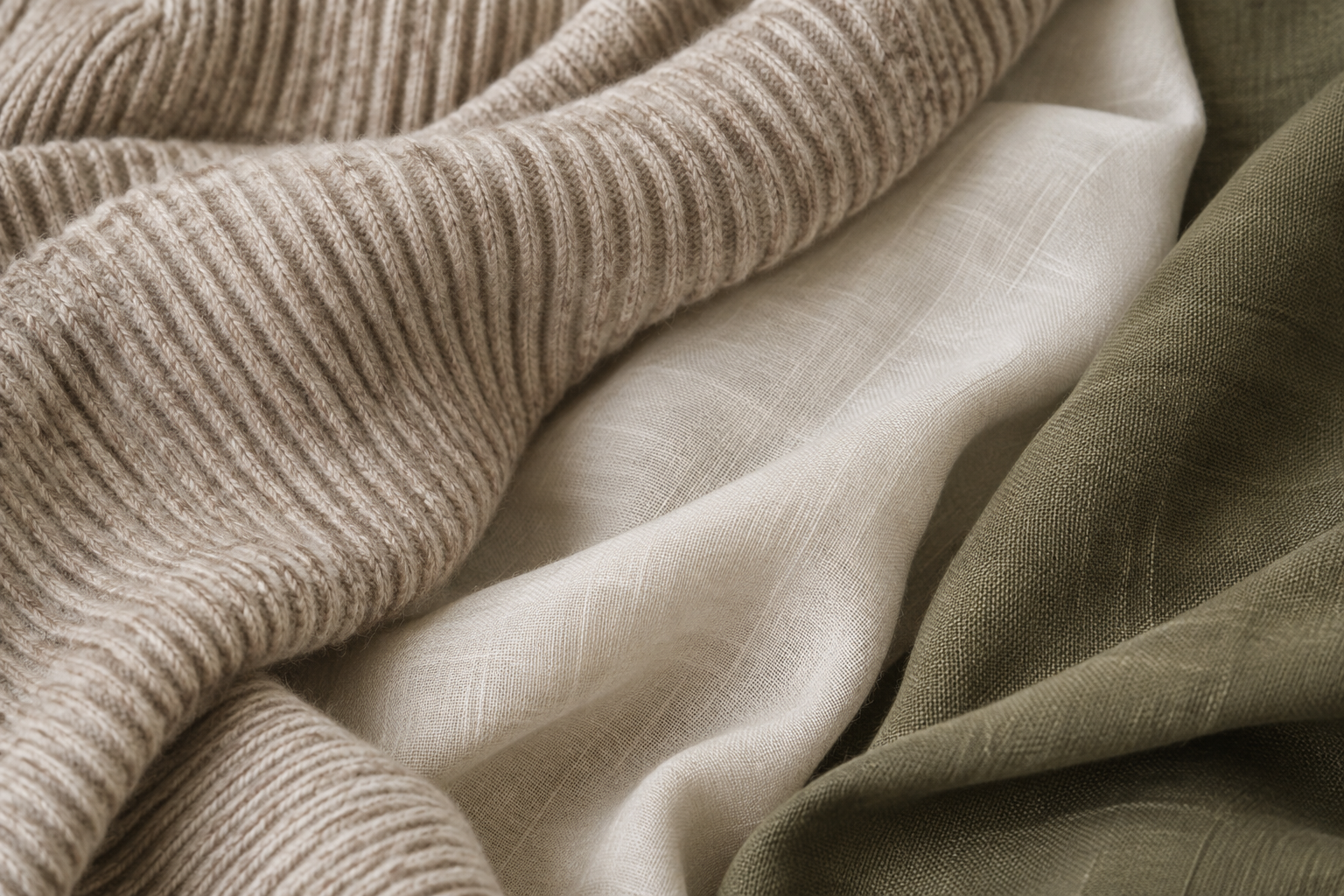
A dark shadow spreading at the hem. Dish soap worked directly into the spot, repeated, then a dusting of baby powder to camouflage the faint remainder for tonight.
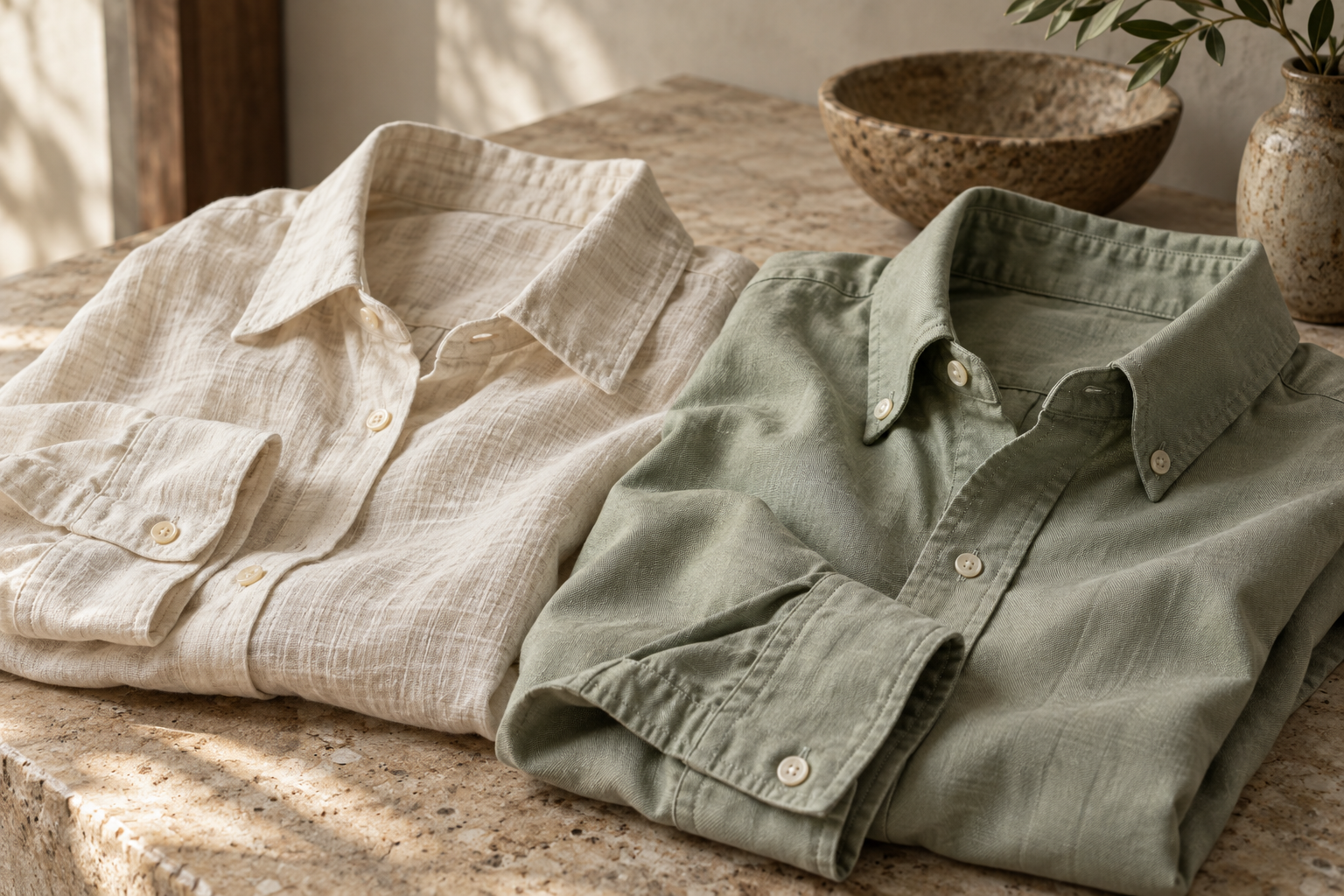
A dull, dry-edged mark that a quick pass will only fade. Blot and soap now, enzyme soak tonight, inspect before any tumble drying — heat is what makes it permanent.
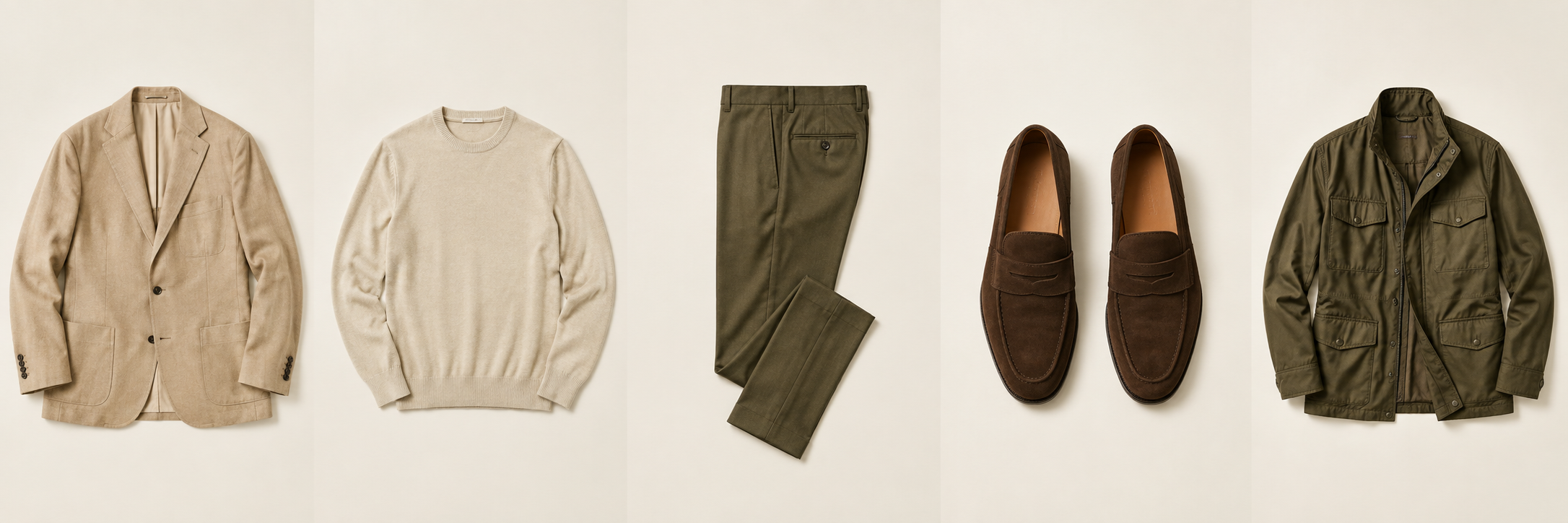
A dry towel, a hair dryer at a hand's distance, and a blazer on standby. Roll-and-press first, warm air second, cover-up as the fallback.
What to Wear
How to unwrinkle clothes without an iron: the shower steam trick, the dryer ice cube trick, sprays, and a fabric-by-fabric table of what is safe.
What to Wear
Need an outfit tonight? The universal last-minute smart casual fix, a 10-minute build, a 1-hour version, and the errand route if you truly must buy.
What to Wear
What to do if overdressed on arrival: the 30-second triage, the removal sequence, where your jacket and tie go, and how to look deliberate.