What to Wear
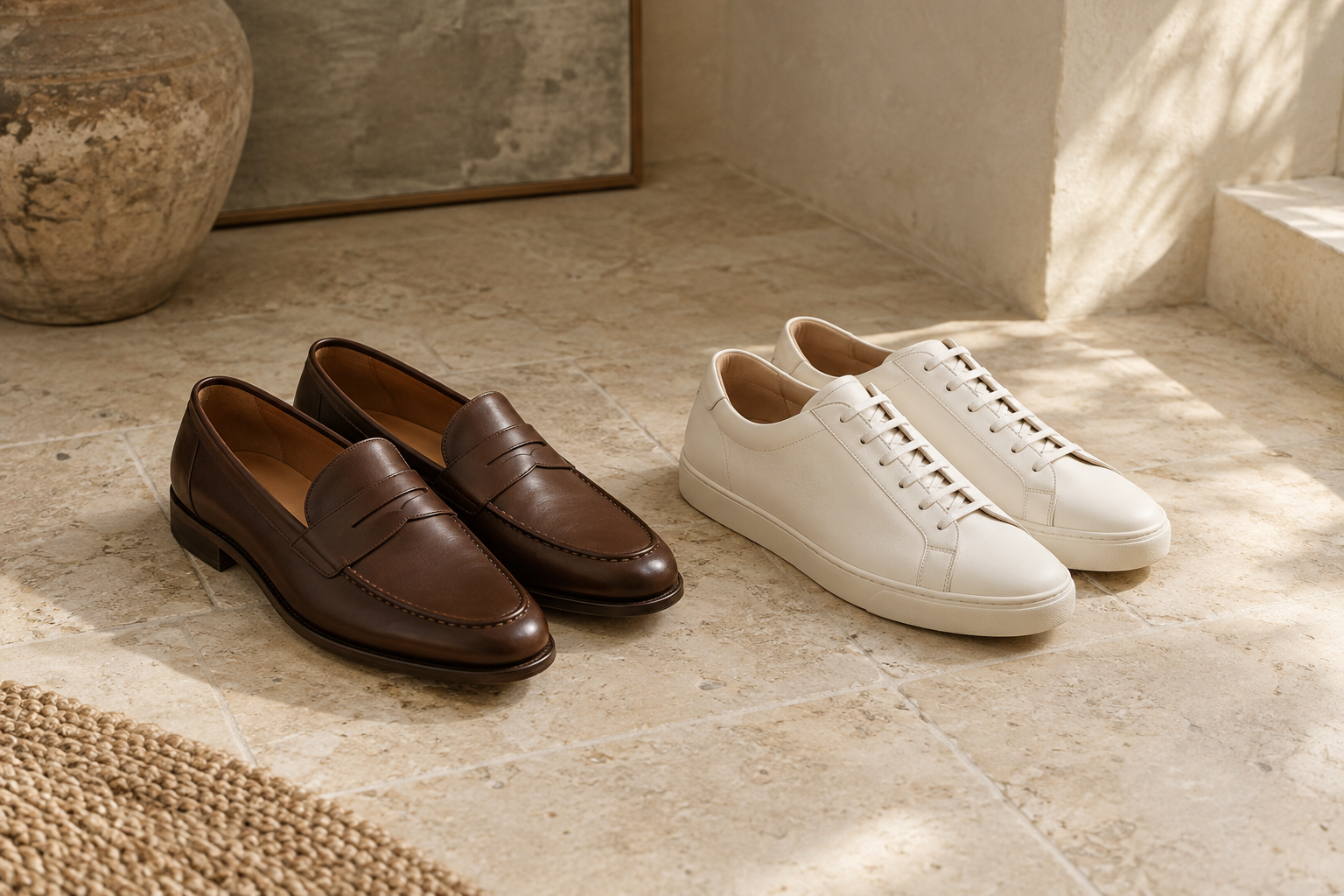
No Show Socks With Loafers for Men: Rules, Fit and the Sockless Debate
No show socks with loafers that stay up, when sockless works, trouser-colour matching, statement socks and sock length by shoe — the men's sock rules.
Accessories guide
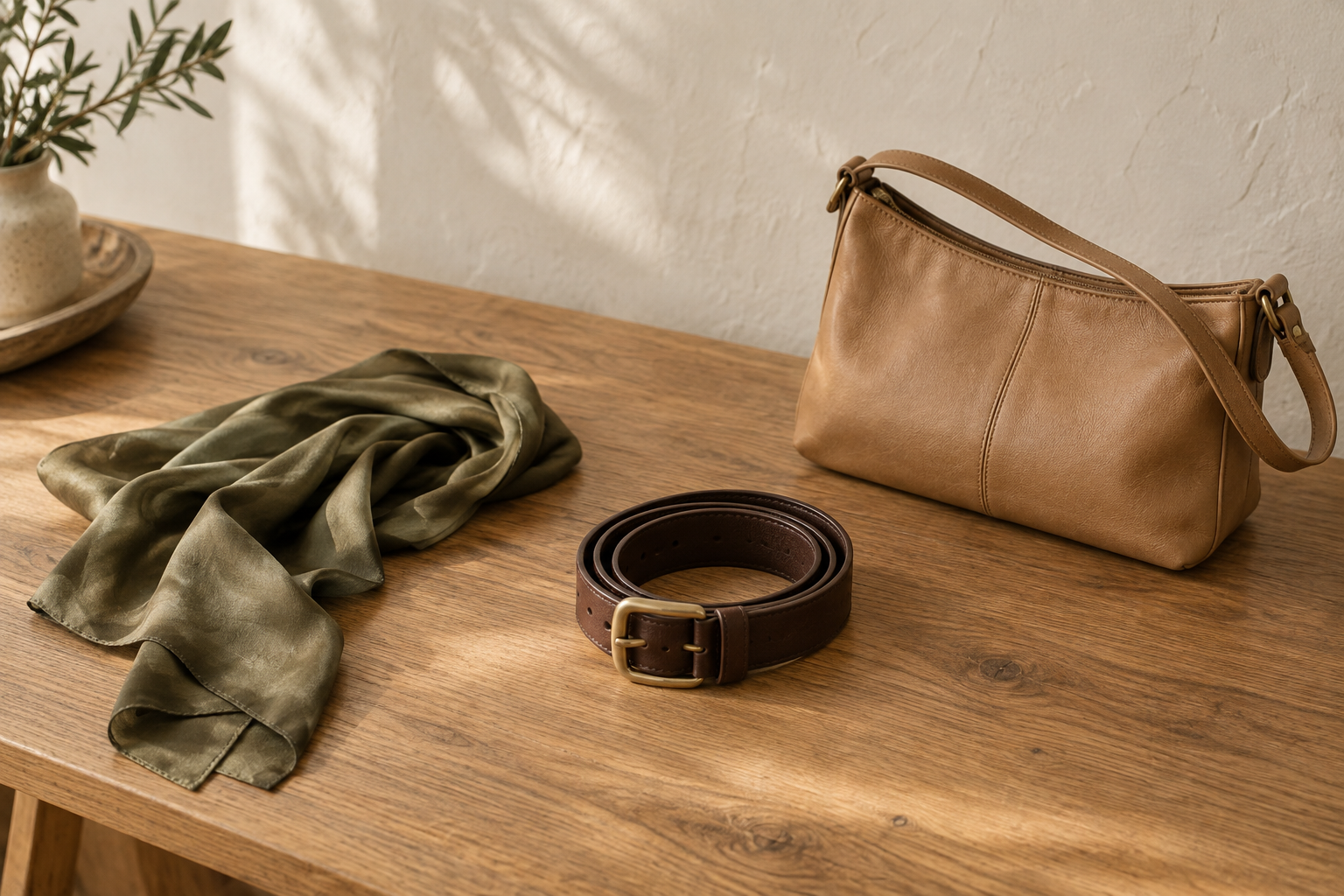
A pocket square or a hat is the difference between a finished outfit and a costume, and the line between them moves with the setting. This page draws that line: when a flourish elevates, when it fights you, and the one-per-outfit rule that keeps the whole question easy.
Begin hereDefinition / explainer
A flourish is any accessory worn for character rather than function — a pocket square, a hat, a statement watch, bold socks. Smart casual allows exactly one per outfit, two at most in the evening, and knowing that number answers both the pocket square question and the fedora question at once.
No, you do not need a pocket square with a blazer at smart casual — the look is complete without one. You need one only at weddings with a suit, where it functions as the finishing ten percent. The rest of the time it earns its place when the outfit is already dialled and the setting rewards character: a plain-jacket night out, a dinner where everyone else made an effort.
It fights you in three places: offices without jacket culture, because no lapel means no square; casual weekends, where it reads formal; and with knitwear, where a square over a roll-neck collar is two focal points at the face for no reason.
With a suit at a wedding, a white or complementary square is the finishing touch — with a tie or without, in a TV fold or the gentlest puff. Colour strategy is one sentence: white always works, otherwise echo a colour from your own outfit, and never match the bridal party's exact colour, because that is their assignment, not yours.
The honest for-and-against is the same fact: you will see the square in every photo for the rest of your life. For a wedding with a suit, that permanence argues for it — it is exactly the kind of detail photographs reward. The full guest outfit sits in the men's summer wedding outfit guide.
Pick one flourish per outfit — pocket square, hat, statement watch or bold socks — with two allowed only at evening events, and even then only if one of them whispers. Flourishes stack badly because they compete for attention, and each one lowers the credibility of the others until the whole outfit reads costume.
| Outfit | Flourishes | The read |
|---|---|---|
| Navy blazer, white shirt, grey trousers, brown loafers | Zero to one — a white TV-fold square at most | Styled. Quiet, complete, nothing competing |
| Camel chore jacket, white tee, dark jeans, clean sneakers | One — a statement watch | Styled at the casual end. The watch is the single voice |
| Patterned blazer, bold socks, fedora, multi-point silk square | Three-plus | Costume. Every flourish lowers the others, and nothing lands |
Yes, at the casual end. Beanies work with knitwear and casual outerwear; flat caps work with casual coats in rural and relaxed contexts. Both fail with tailoring, without exception.
Are fedoras OK now? The trilby — short, snapped brim worn furled — reads dated, full stop. A true wide-brim felt fedora can work, but only with heavy casual outerwear like a wool coat or a field jacket; with a blazer it never works. Baseball caps are fully casual and only approach smart casual with deliberately relaxed outfits — clean cap, no logos — and even then they cap the outfit's ceiling at casual.
The quieter moves do similar work: a textured knit over a shirt, a good watch, or simply the confidence of a lapel-free jacket worn deliberately — the no-flourish read is itself a style. Skip the square when the jacket is patterned or unstructured; both supply their own character.
And let the shirt's plain white pocket stay empty rather than bundling something in for the sake of it — the pocket-square-over-bundled-pocket trend aged out for a reason. What does the same job with less risk: the knitwear layer in the men's knitwear guide, or the wider system in the men's accessories guide.
Do you need a pocket square with a blazer? No — but at a wedding with a suit, you will wish you had one. Everywhere else it is pure option.
Should the pocket square match the tie? Complement, never clone: echo a colour from the outfit in a different fabric, or go white linen and end the discussion.
Are hats smart casual? Beanies and flat caps, at the casual end only. No hat — fedora, trilby or cap — pairs with tailoring.
What fold should I use? The TV fold daily, the puff when the outfit needs one moment of character, multi-point folds at weddings only.
A pocket square is never required at smart casual. It is required-adjacent in one setting — a wedding with a suit — and optional everywhere else. The wider rule it belongs to: smart casual tolerates one flourish per outfit, where a flourish means a pocket square, a hat, a statement watch or bold socks. The moment two flourishes compete, the outfit starts reading as costume, which is the honest limit of the whole category.
What to Wear
No show socks with loafers that stay up, when sockless works, trouser-colour matching, statement socks and sock length by shoe — the men's sock rules.
What to Wear
Casual vs dress belt, decided in 30 seconds: width, leather finish and buckle size, width rules by trouser, the reversible verdict, and a decision table.
What to Wear
The best Apple Watch band for work by material: milanese, leather, link or sport. What to buy, what to skip, and the two-band kit that does it all.