What to Wear
Accessories That Look Cheap: What to Drop and What Replaces Them
Which accessories make outfits look cheap: the three tells, the drop list from belts to watch straps, and the replace-or-repair rule that ends the loop.
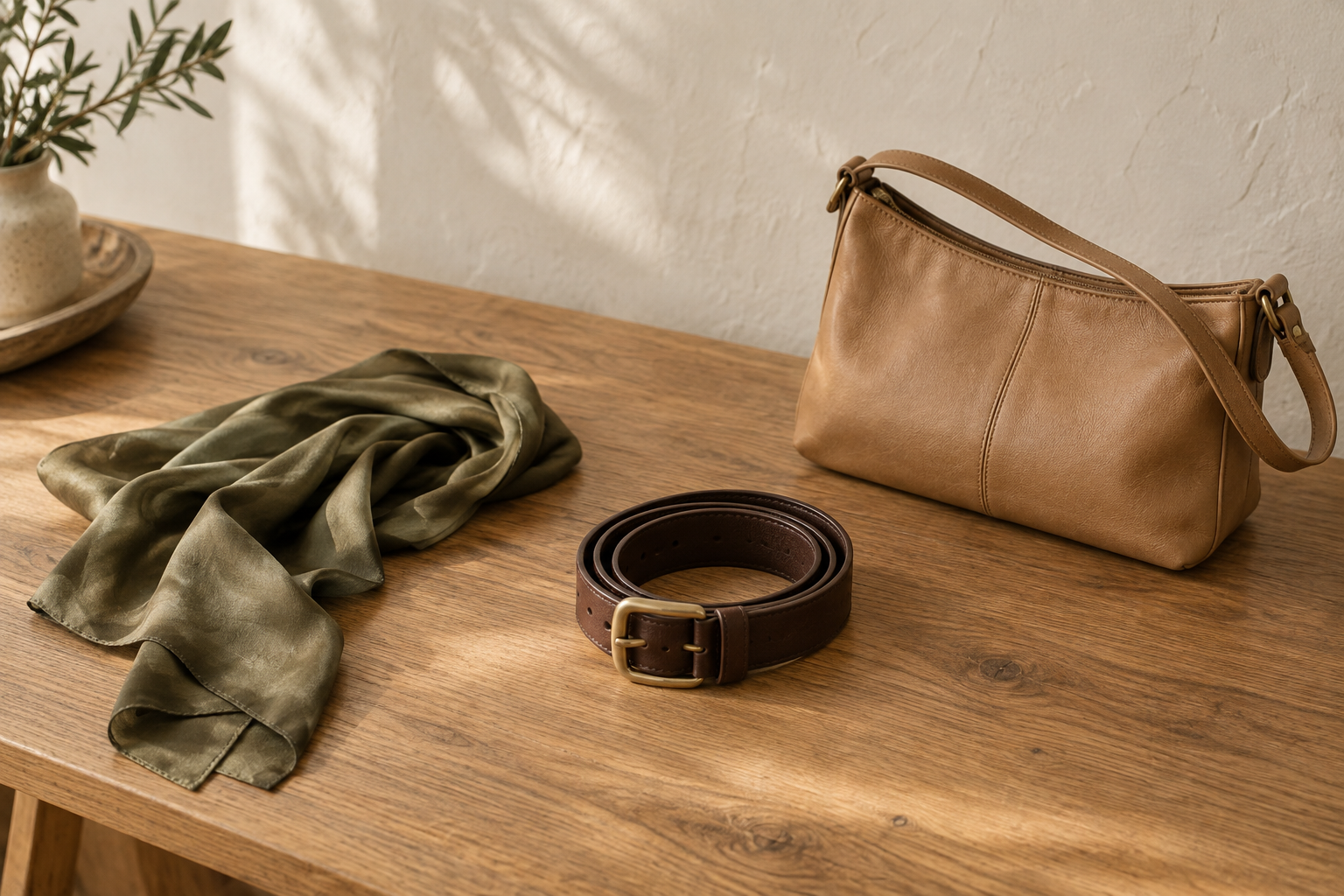
Finishing touches
Fit and condition come first, but when the wardrobe is basic, accessories are the highest-leverage money you can spend. These five finishing touches change how an outfit reads without changing a single garment you own.
Begin hereInspiration
The fastest way to look more put together is not a shopping trip for clothes — it is the frame on your wrist, the belt at your waist and the bag on your shoulder. Each upgrade below names what it fixes, what simple looks like, and the budget tier where the money is well spent.
The watch leads because it is the only accessory every dress code recognises, from a pub to a wedding. Simple means a clean dial with a leather strap or a steel band — no oversized sports case, nothing that lights up. On jeans and a tee it reads deliberate; under a blazer it disappears politely.
The band choice is the whole styling decision: leather for anything with a collar, steel for everything else. If you wear both black and brown outfits, a strap you can change — or eventually a second strap — covers both worlds. For the matching rules in detail, see watch straps and dress codes and the wider men's watch guide.
One rule carries this upgrade: the belt matches the shoe colour family and roughly the formality. Black belt with black shoes, dark brown with brown, and never the glossy dress belt with sneakers. A cracked or peeling belt reads poorer than no upgrade at all — check the one you own before buying a third.
Two belts — one black, one dark brown, each with a modest buckle — is the cheapest structural upgrade on this list and the one to buy first if you own nothing.
The bag swap has the biggest single before-and-after effect here. A clean leather messenger, tote or structured crossbody upgrades the same outfit the laptop backpack downgrades — same clothes, different shoulder line. Men: a slim messenger or briefcase-style bag. Women: a structured tote or crossbody that holds its shape when you put it down.
Buy one neutral that works with the whole wardrobe rather than two trendy ones — black or dark brown leather (or a leather-look fabric at the entry tier) covers nearly every outfit you own. Check the straps and stitching at any price tier; that is where cheap bags announce themselves.
Frames are the accessory with the highest hours-per-day of wear, which makes them the best return for prescription wearers. Full-rimmed or semi-rimless in a classic shape — rectangular, round or soft square — reads current without chasing trends, and the right width at the temples matters more than the shape itself.
Non-prescription wearers still get the upgrade through sunglasses with proper coverage, in the same classic shapes. If you are deciding where the money goes, glasses win when you wear them all day; if you barely do, push the budget to the bag instead.
These three are the cheap finishes, and together they cost less than one pair of premium sneakers. Socks in the trouser colour — white athletic socks with chinos is the classic tell of an unfinished outfit. A slim wallet that kills the pocket bulge. One office-safe fragrance, applied lightly.
They work because they are the details visible at conversation distance, exactly where people form their put-together read. Sock rules covers the sock calls in full.
One upgrade a month for five months is a realistic pace, and outfit photos along the way make the difference visible in a way the mirror will not. If you are building from almost nothing, the smart casual on a budget plan fits this order, and the accessories hub holds the detail guides for each item.
What accessories make you look more put together? A simple watch, matched belts, a structured bag, flattering frames, and the sock-wallet-fragrance trio — in that rough order of impact per item you already own.
How can I look polished on a budget? Fix condition and fit first, then buy the cheap trio, then add one accessory at a time by cost per wear rather than in one haul.
Is a watch worth it if I use my phone for time? Yes — a watch is a social object, not a time device: it stays on your wrist at dinner, in interviews and at weddings, where a phone never leaves the pocket.
Do women need different upgrades? Same logic, different defaults: the structured tote and the bag swap matter even more, and the belt rule relaxes wherever the outfit has no visible waistline.
6 looks to explore
A clean dial on a brown or black leather strap, worn peeking from a shirt cuff. It is the one accessory every dress code recognises, and it lifts jeans and a tee the same day it sits under a blazer.
Black and dark brown, each in the same colour family and formality as the shoes it pairs with. The wrong belt undoes an otherwise fine outfit faster than any other single item.

A structured tote or crossbody for women, a slim leather messenger for men — the same outfit the laptop backpack downgrades, the right bag upgrades. One neutral that works with the whole wardrobe beats two trendy ones.
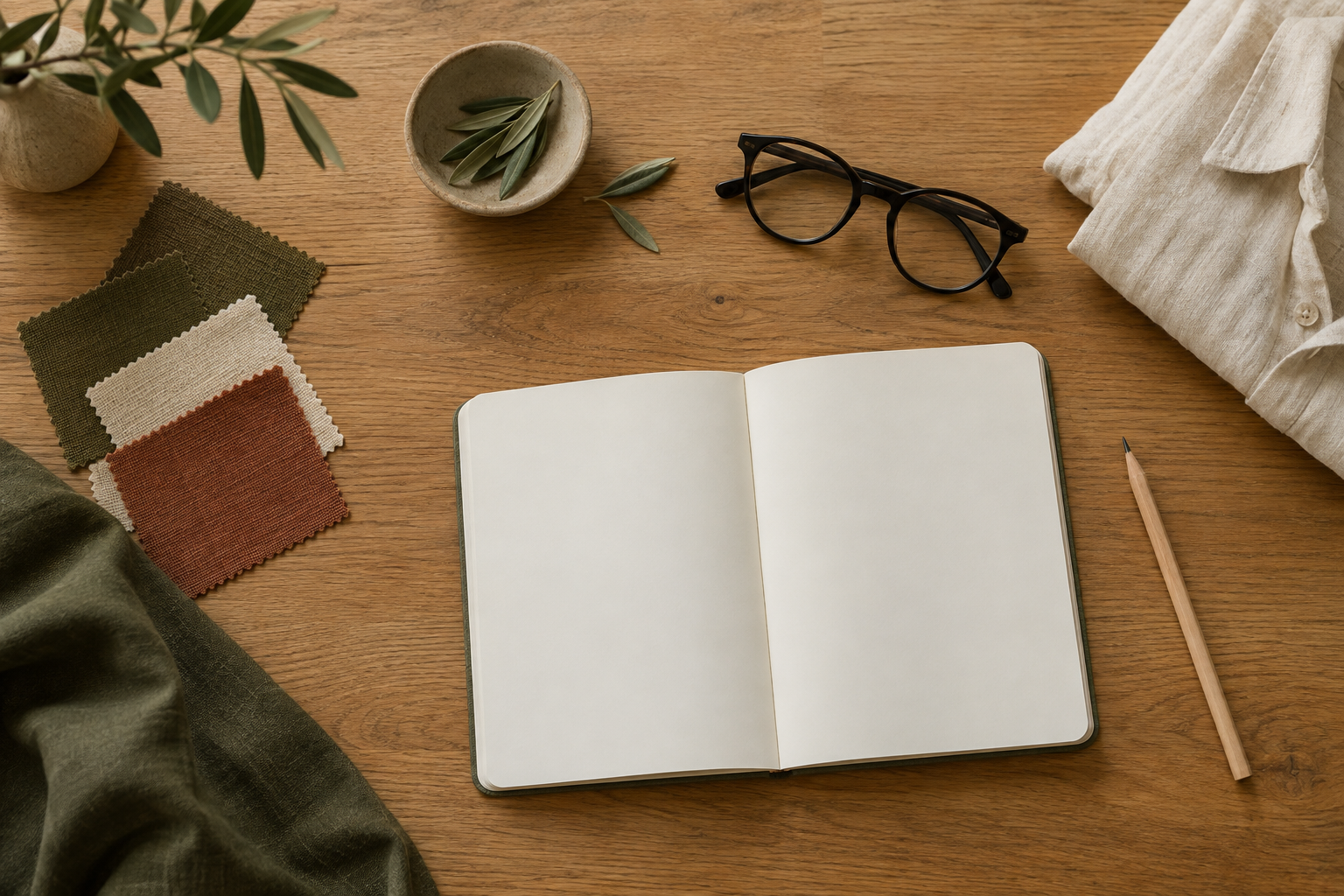
Full-rimmed or semi-rimless in a classic shape that suits the face. Glasses are the accessory you wear every waking hour, so the return on a flattering frame beats almost anything else on this list.
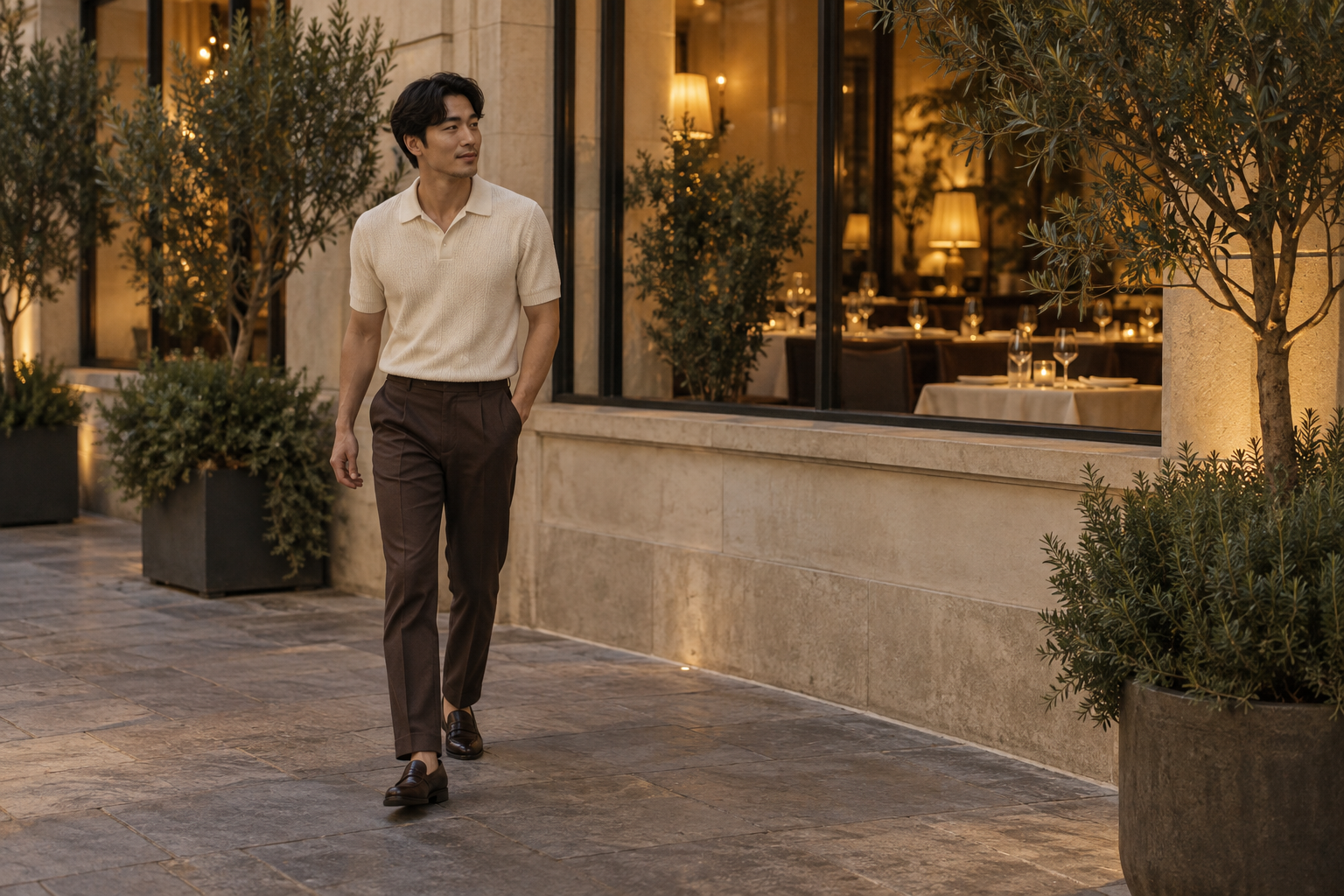
Trouser-coloured socks, a slim wallet, one restrained fragrance. Invisible from across the room, obvious from the distance where people actually talk to you.

Jeans and a tee on the left; the identical jeans and tee with the watch, matched belt, better bag and trimmed details on the right. Nothing in the outfit changed — the read did. That is the whole thesis.
What to Wear
Which accessories make outfits look cheap: the three tells, the drop list from belts to watch straps, and the replace-or-repair rule that ends the loop.
What to Wear
The best Apple Watch band for work by material: milanese, leather, link or sport. What to buy, what to skip, and the two-band kit that does it all.
What to Wear
The smart umbrella, leather gloves and the winter extras that pass with a coat and blazer — what to buy, what reads sloppy, and the coat-pairing table.